
NCCK Central Region calls for declaration of Non Communicable Diseases (NCDs) a national emergency
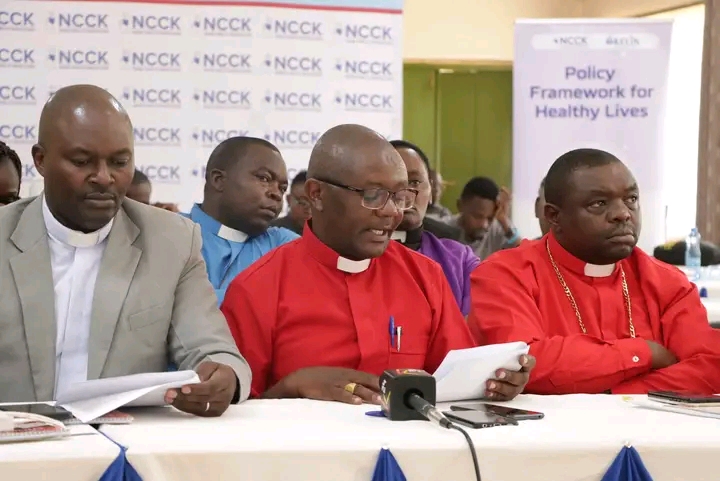
KIRINYAGA, Kenya, Apr 10 – The National Council of Churches of Kenya (NCCK) Central Region held a two-day forum at Bethany House, Sagana to reflect on the policy framework in place to address the growing epidemic of Non Communicable Diseases which has risen to account for 39% of all deaths in Kenya and 50% of hospitalizations.
Delegates were drawn from Embu, Kirinyaga, Murang’a, Nyeri, Laikipia and Nyandarua counties observed that it costs a patient close to KShs 150,000 per year to manage a Non Communicable Disease in outpatient care.
While recognizing the growth of Non Communicable Diseases is devastating the country and appreciating the need for a policy framework to protect the lives of Kenyans they called upon Cabinet Secretary for Health to declare Non Communicable Diseases a national emergency as it will facilitate convergence of government and non-government resources and policies to address the emerging threat.
“Malaria prevalence rate peaked at 27% in 2010, leading to massive campaign to protect children under 5 years, HIV and AIDS prevalence peaked at 10% in the late 1990s and the multifaceted campaign has brought it down to 3.2%, Diarrheal diseases range from 5% – 20% and any outbreak is dealt with as an emergency and contained”, they said.
They urged the Ministry of Health to recognize that at a prevalence rate 27%, NCDs warrant emergency focus the strain NCDs are exerting on household and national healthcare is immense and needs to be addressed.
In addition they noted that there is need to disseminate and Implement the Nutrient Profile Model While commending Ministry of Health for completing the development and adoption of an evidence-based Nutrient Profile Model.
With the changing lifestyles they called for Introduction of Front of Pack Warning Labels noting that consumption of factory-processed foodstuffs is rising rapidly in the country the consumers therefore need to be fully informed of the contents and impact of the foods they purchase and eat.
“We strongly recommend that the Ministry of Health engages all stakeholders and facilitates a process to develop regulations to require all food manufacturers to include Front of Pack Warning Labels that specifically warn if the product is high in sugar, sodium and or saturated fats”. they further stated.
Furthermore, they called for regulation of marketing of Unhealthy Food noting that Children are at a very great health risk due to high consumption of factory-processed foods that are high in sugar, sodium and saturated fats.
“We call upon county and national governments to put in place policy measures to regulate advertisements of unhealthy foods that are targeted at children”.
Subsequently they urged MoH to make Taifacare Work or Revert to NHIF highlighting Kenya’s Constitution in Article 43(1)(a) provides that every person has the right to the highest attainable standard of health which includes right to healthcare services including reproductive healthcare.
“It is therefore a great injustice to the people of Kenya that financing for healthcare has been progressively deteriorating since it was moved from the National Hospital Insurance Fund (NHIF) to the Social Health Insurance Fund and now to Taifacare”.
Ministry of Health as well as the Social Health Authority have been urged to radically reform the Taifacare to make the benefits accrued to the subscribers better than or at least equal to the benefits they enjoyed under the NHIF.