
How Smartphone is Becoming Kenya’s Next Frontier in Healthcare
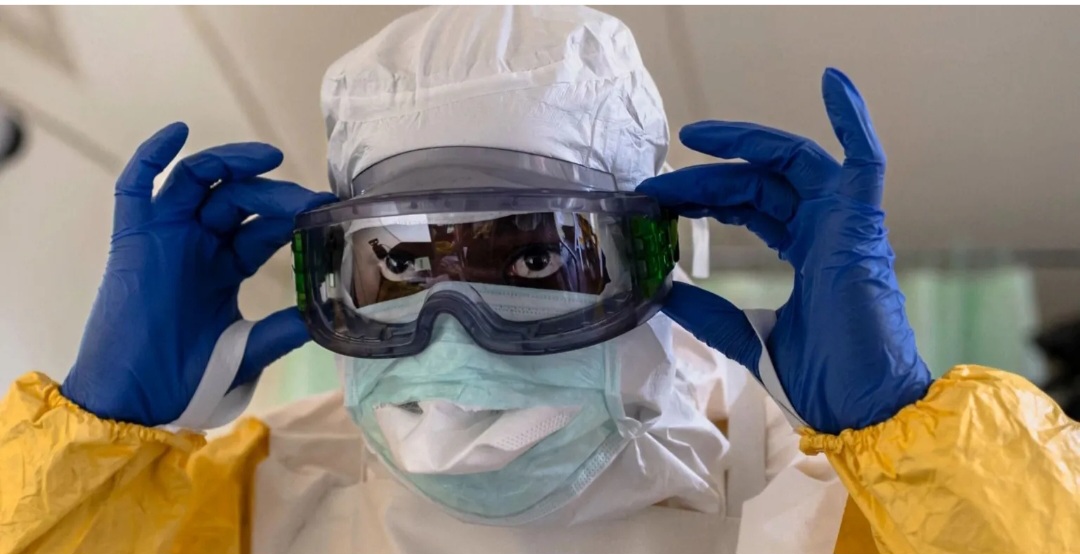
NAIROBI, Kenya, July 17 – In many countries, especially in Kenya, healthcare is still defined by distance, cost and long waiting times. A hospital, anywhere in the world, is not a place one would willingly want to be, but circumstances force them to.
For millions of people, seeing a doctor is not always immediate or affordable. But let us face it, times have changed, and one thing has changed dramatically over the last decade: mobile phone access. Smartphones are now becoming the first point of contact for information, services, and increasingly, health support this is why Tecno’s approach to localized digital health support deserves attention.
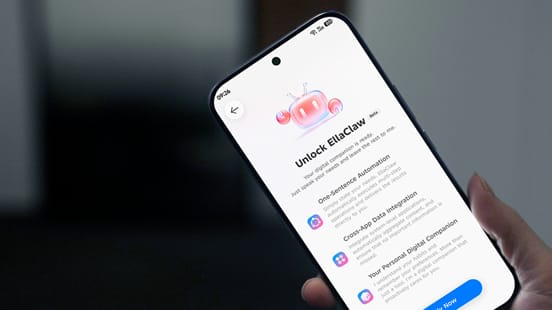
Instead of building solutions for markets thousands of miles away, the company appears to understand the realities of Kenyan users. The idea behind Ella, Tecno’s built-in AI health assistant, is simple: put basic health support directly into the hands of everyday smartphone users.
The numbers already show that healthcare is becoming mobile. In Kenya, in 2023, millions of people used digital health tools for treatment, diagnosis, or care. At the same time, since 2023, there has been an immense increase in the use of telemedicine services, especially in urban areas.
That momentum is not slowing down, and a March 2026 commissioned report by Omdia, AI Roadmap for Smartphone Vendors in Africa’s Emerging Markets, confirms that the smartphone is now the only device with the realistic potential to democratize AI-driven services across the continent.
With smartphone penetration in Africa sitting at 24.6%, more than 40 times higher than PC penetration, the phone in someone’s pocket is the most credible delivery channel for health intelligence at scale.
Beyond Hospitals The First-Touch SupportOne of the most underappreciated aspects of Ella’s health vertical is not what it does inside a clinic it is what it does before one is ever needed. Omdia’s research frames the AI opportunity in Africa squarely around essential utility and income protection, not performance optimization.
In health terms, that translates directly to prevention: the ability to catch warning signs early, before a manageable condition becomes a crisis that demands expensive clinical intervention.Omdia notes that across Africa, the structural limitations are real: scarce local health data, connectivity gaps, and entry-level device ceilings.
In Kenya, 59% of smartphones have less than 4GB of RAM, versus 66% of global devices exceeding 8GB. Ella is built precisely for that reality. Because it runs on-device using Tecno’s edge-first, quantized AI models ranging from 0.5 to 2 billion parameters it does not depend on consistent internet access to function.
Many people only seek medical help when conditions turn serious. Omdia’s framing is instructive here: the competitive advantage in emerging markets lies not in replicating premium AI for a wealthier tier, but in building utility-driven solutions that solve daily friction.
Ella’s health indicator and symptom analysis tools do exactly that they reduce the economic burden on physical clinics by intercepting health concerns at the first-touch stage, before they escalate to a level that demands hospital resources.
The phone becomes the first responder, the triage layer, and the wellness coach, all in one.At the same time, the symptom analysis feature could also help reduce panic and misinformation.
Too often, people rely on random internet searches or unverified advice from social media. Having a structured symptom-checking tool inside a smartphone creates a more organized way of seeking guidance before visiting a medical professional. Ella’s nutrition feature reinforces the same logic.
Healthy eating remains a challenge for many households across Africa, Meal planning and diet support built into a smartphone signal that health is not only about hospitals and medicine. Prevention matters, and Ella is positioned to be the everyday companion that makes preventative health behaviors feel natural rather than clinical.
The “No-Software” Layer for HustlersElla is not simply an assistant. For Kenya’s vast informal economy, the hawkers, freelancers, boda boda operators, and small traders who run businesses from their phones, she is a built-in virtual business consultant.
An assistant waits to be asked. A consultant helps you think, plan, and act.Omdia’s report highlights that Tecno’s core strategic orientation is built around solving specific regional pain points, connectivity and language chief among them.
The report categorizes Tecno under “Localized Pragmatism,” noting that the company is the only major OEM deliberately prioritizing practical AI tailored for the digital divide, with a strategy anchored in offline capability, local language recognition for African dialects including Swahili and Hausa, and scenario tools built around education, social messaging and commerce.
In a market where 81% of smartphones are priced below $200, against just 38% in the rest of the world, Tecno is building AI that is engineered for the economic reality of its users, not borrowed from a premium tier and scaled down.
For the typical Kenyan hustler, the absence of formal business software has never been a gap it has simply been the reality. Spreadsheets, ERPs, and CRMs belong to a different world.
What they have is a phone. Ella turns that phone into a no-software layer for running a small enterprise: drafting messages to suppliers, summarizing transactions, managing schedules, and accessing information that previously required a laptop, a consultant, or a business education. Crucially, this happens in their language, on their device, offline if necessary.
Omdia’s research confirms that Tecno is the only vendor among major African OEMs with a deep localization strategy that goes beyond UI translation into actual model training on African dialect data. That depth is what makes Ella usable for someone who has never thought of themselves as a “tech user.”
The Omdia report also tracks consumer appetite. As of January 2026, ChatGPT was active on 22.9% of the Kenyan active smartphone installed base, nearly 7.5 million monthly users, making it the seventh most searched term in Kenya in 2025, with year-on-year growth of 100%.
Kenyan consumers are not waiting to be introduced to AI. They are already looking for it. The question is who delivers it in a form that actually fits their lives.
Ella’s built-in positioning answers that question before it is even asked: no download required, no subscription, no learning curve. Just a device that already knows how to help. There is no doubt that Kenya needs technology designed around its realities, its languages, internet limitations, income levels, and lifestyles.
Tecno has spent years building products specifically for African consumers, and this health and productivity-focused direction is a natural, data-backed extension of that strategy.
Omdia singles out Tecno as the only major OEM pursuing a genuinely localized pragmatism model: compressing global AI into on-device capability, building Africa-specific data infrastructure and delivering intelligence through everyday communication, learning, and commerce scenarios rather than premium-only features.
Digital health tools and AI business tools should not replace doctors, specialists, or formal enterprise systems. They work best as first-touch support, systems that encourage awareness, accelerate decisions, and reduce the friction that often stops people from acting at all.
Used responsibly, built-in mobile intelligence can bridge gaps that governments, hospitals, and large corporates continue to struggle to close.
Kenya’s future will be shaped by companies that understood this early. Tecno, backed by the market evidence that Omdia has now put into writing, appears to be one of them.