Africa’s Health Systems Face Climate Crisis With Just 2% of Adaptation Funding
Africa is confronting a growing health emergency driven by climate change, but the money available to prepare its health systems remains far below what is needed, raising concerns about the continent’s ability to protect communities from increasingly severe climate shocks.
Between 2001 and 2021, climate-related events accounted for 56% of public health events recorded in the World Health Organization (WHO) African Region. Yet health receives only about 2% of adaptation funding and 0.5% of multilateral climate finance, exposing a significant gap between the health consequences of climate change and the resources directed towards addressing them.
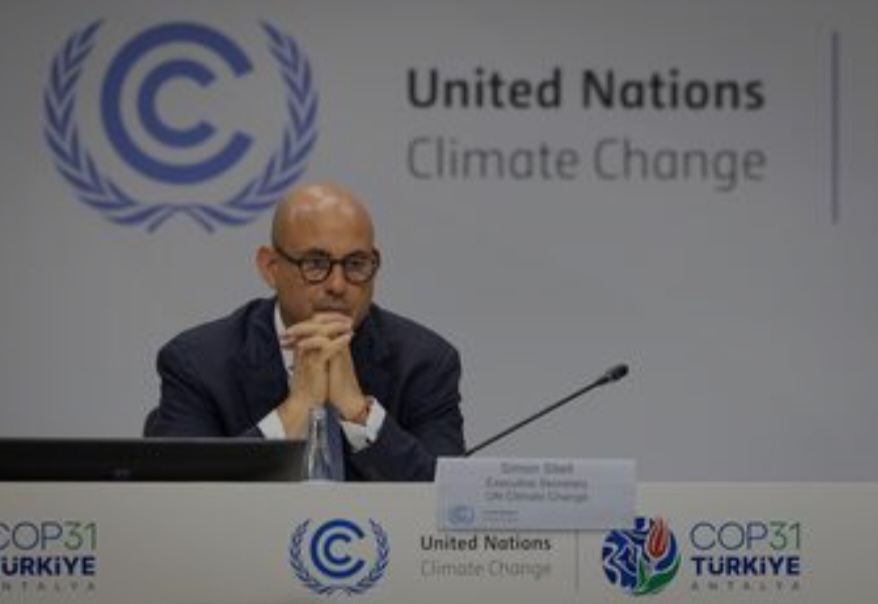
The funding imbalance has become a central concern as African countries push for health to feature more prominently in negotiations at the 31st United Nations Climate Change Conference (COP31) in Antalya, Türkiye.
The urgency is reflected in experiences such as Zambia’s simultaneous drought and cholera outbreaks in 2023 and 2024. The combination of water shortages, rising malnutrition and disease outbreaks placed additional pressure on communities and health services, demonstrating how climate-related emergencies can compound existing public health challenges.
Zambia’s Minister of Health, Roma Chilengi, told a national dialogue in Lusaka in October that the relationship between climate change and health was direct, arguing that the effects of extreme climate conditions were already evident in communities.
The experience highlights why African countries are seeking to move beyond treating climate change as an environmental issue and recognise it as a major threat to health systems, disease prevention and access to essential services.
The problem is not only the frequency of climate shocks but also the vulnerability of health facilities expected to respond to them. Floods, droughts and extreme weather can disrupt access to water, interrupt health services and increase the risk of disease outbreaks. Facilities that are not adequately prepared can struggle to maintain services when communities need them most.
At COP31, African health and environment officials are therefore pressing for climate adaptation plans that place health systems at the centre of national and international responses.
In October and November, Cabo Verde, Côte d’Ivoire, Ghana, Kenya and Zambia brought their Ministries of Health and Environment together, with support from WHO and the African Group of Negotiators (AGN). The discussions were intended to ensure that health priorities are reflected in national negotiating positions and that health representatives participate in country delegations.
The countries have developed different priorities based on their circumstances. Ghana has completed and costed its Health National Adaptation Plan at GHS 110.4 million and agreed to integrate health into every negotiating track.
Côte d’Ivoire is working towards ensuring that 60% of health facilities constructed or rehabilitated meet climate-resilient standards by 2035. Its health, environment and weather services have also agreed on a coordinated approach built around observation, early warnings and action.
Cabo Verde has called for climate positions that protect vulnerable populations, while Kenya has agreed on positions covering adaptation, climate finance, Loss and Damage and the just transition.
The countries are also seeking practical support to report on health indicators under the Global Goal on Adaptation, access grant-based financing through less complicated processes and ensure that health losses are included when calculating the costs of climate disasters.
The demand for accessible financing is particularly significant for African countries that have already identified climate-related health risks but face constraints in implementing their plans.
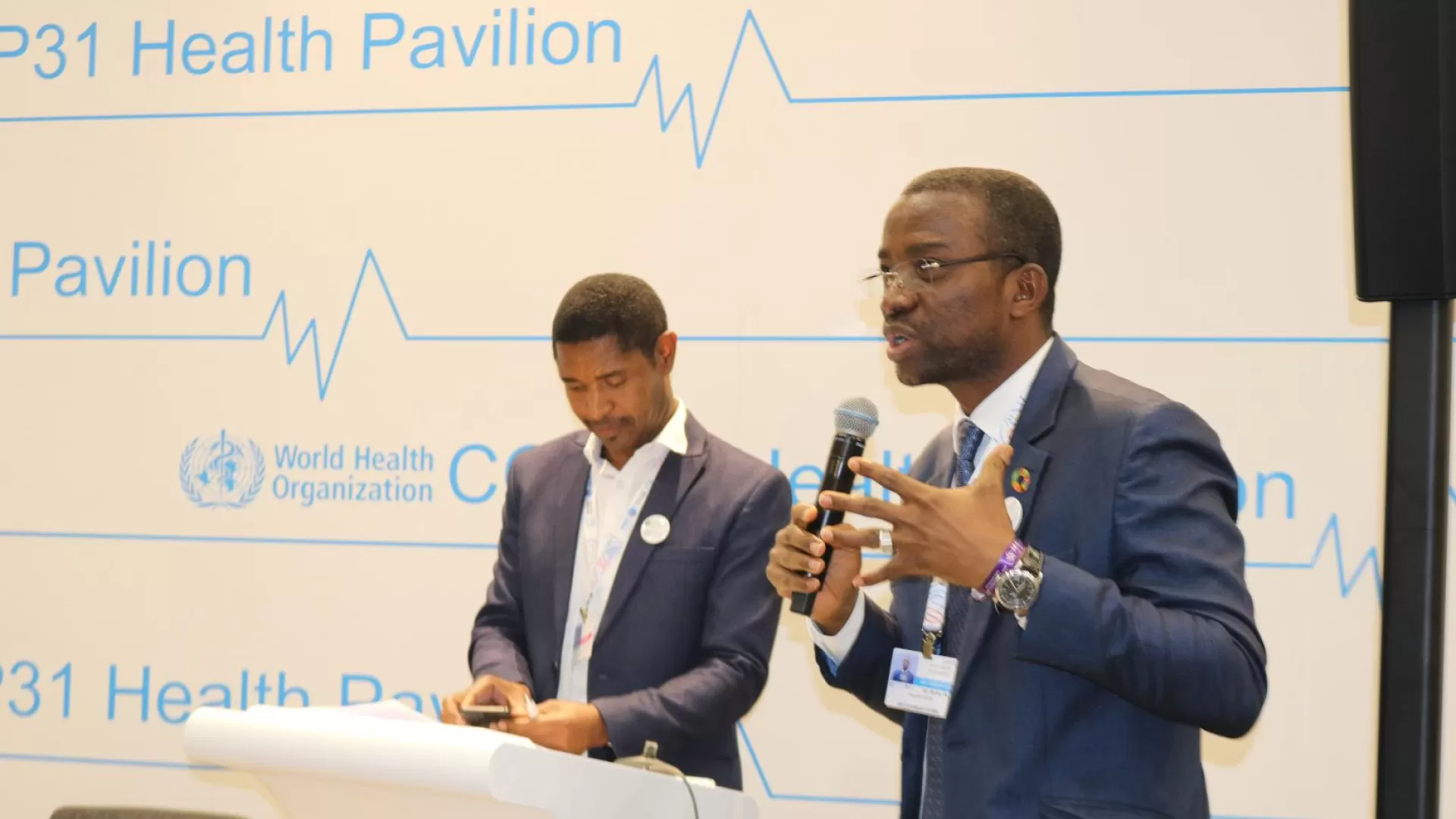
At COP31, WHO, Africa CDC and Amref Health Africa, working with the African Group of Negotiators, briefed African negotiators on 11 November under a tripartite agreement. The engagement sought to strengthen the case for integrating health across the different negotiating streams.
Zambia’s Minister of Green Economy and Environment, Gilbert Siame, argued that climate protection and health protection should not be treated as competing priorities.
WHO Africa’s climate change and health team lead, Dr Jeremiah Mushosho, similarly argued that the effectiveness of climate adaptation should be judged by what it protects, including lives and health facilities that remain operational during climate disasters and pandemics.
For WHO, the next step is ensuring that the commitments made at COP31 translate into financing for health adaptation plans already prepared by African countries.
The organisation has called on the COP31 Presidency and participating countries to reflect health in the conference outcomes, including the cover decision, establish a platform for dialogue on health and support the financing of national health adaptation plans.
The negotiations will also shape preparations for COP32, scheduled for Addis Ababa, Ethiopia, in 2027. Each participating country is expected to hold a feedback meeting to assess progress and prepare its next steps.
For African health systems, the test will be whether the growing recognition of climate change as a health threat is matched by resources to prepare hospitals, protect vulnerable communities and maintain essential services during extreme weather events.
Without financing that reaches the front lines, climate resilience risks remaining a policy commitment rather than protection that communities can experience.