Greenpeace Africa Festival Champions Refill and Reuse as Viable Environmental and Economic Solution
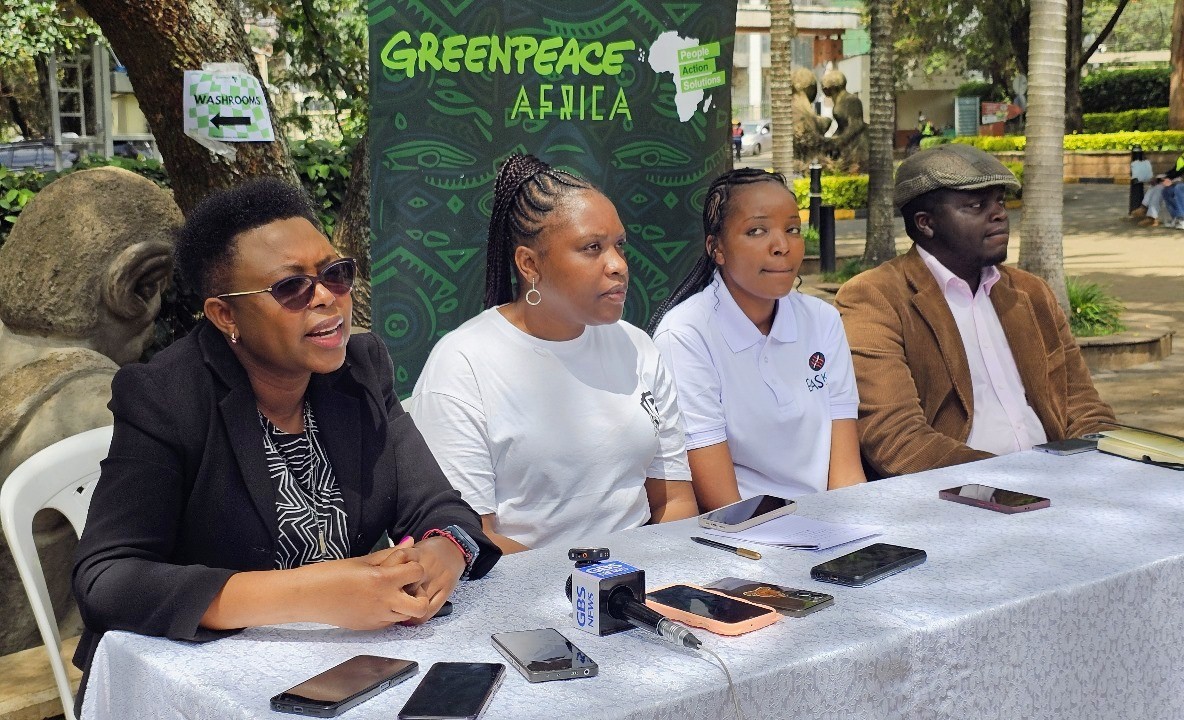
NAIROBI, Kenya, Nov 15 – Kenyan government is facing mounting pressure from environmental and economic stakeholders to establish ambitious national targets for refill and reuse, a critical measure seen as essential for significantly cutting down on damaging single-use plastics.
Advocates are calling for a definitive transition toward sustainable packaging systems that would not only protect the environment from pollution but also unlock new economic opportunities within the circular economy framework.
The two-day festival themed “Experience, Refill, Reuse: A Sustainable Lifestyle for All.” brings together local communities, civil society organisations, policymakers, manufacturers, and innovators to showcase refill and reuse options available in Kenya while creating space for policy discussions on the opportunities and challenges of mainstreaming sustainable alternatives to single-use plastics.
Hellen Kahaso Dena, Project Lead, Pan African Plastics Project at Greenpeace Africa, While speaking during the launch of inaugural Refill and Reuse Festival in National Museums of Kenya in Nairobi said enhancing refill and reuse models has the potential to create jobs while reducing the hidden costs of plastic pollution that burden governments and taxpayers.
“Refill and reuse systems are not new to Africa, they are rooted in our culture and have existed since time immemorial What is new is the invasion of single-use plastics pushed by corporations prioritising profit over people and planet”, said Dena.
She noted that governments must invest in refill infrastructure and set clear targets that make reuse the norm, not the exception
“Throwaway culture is expensive, Countries spend billions of dollars to clean up drainage systems, build incinerators, clean rivers and cover health expenses linked to plastic pollution”.
Gerance Mutwol, Plastics Campaigner at Greenpeace Africa, said Recycling is a distraction that allows corporations to keep producing more plastic while shifting responsibility to consumers and governments.
“Plastics persist in the environment throughout their lifecycle, leaching harmful chemicals into our soil, water, and bodies, “Refill and reuse systems prevent plastic pollution at the source”, stated Mutwol.
Additionally, they conserve resources, create jobs, and protect public health its is an environmental imperative and economic opportunity that governments can no longer ignore.
Families, schools, artists and innovators are invited to engage with hands-on refill stations, zero-waste exhibitions, and children’s upcycling art competitions.
Further, the 2nd day will feature live music performances, poetry sessions, storytelling circles, and an interactive refill challenge with prizes for participants.
With free admission on both days, organizers emphasize that embracing refill and reuse is a simple, effective step aligned with deeply rooted African values of community resourcefulness and stewardship, inviting all citizens to join the transition to a cleaner, more circular economy.