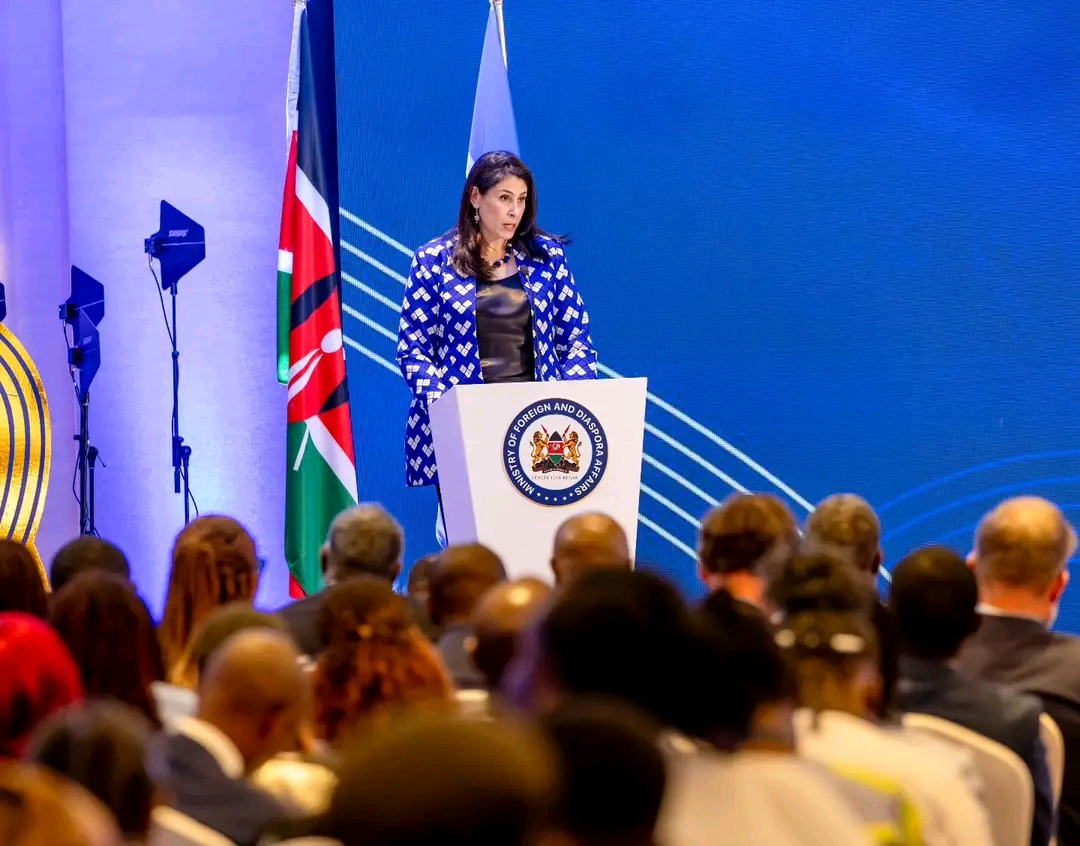

Autoexpo Kenya 2026 Opens in Nairobi, Showcasing Global Mobility Trends
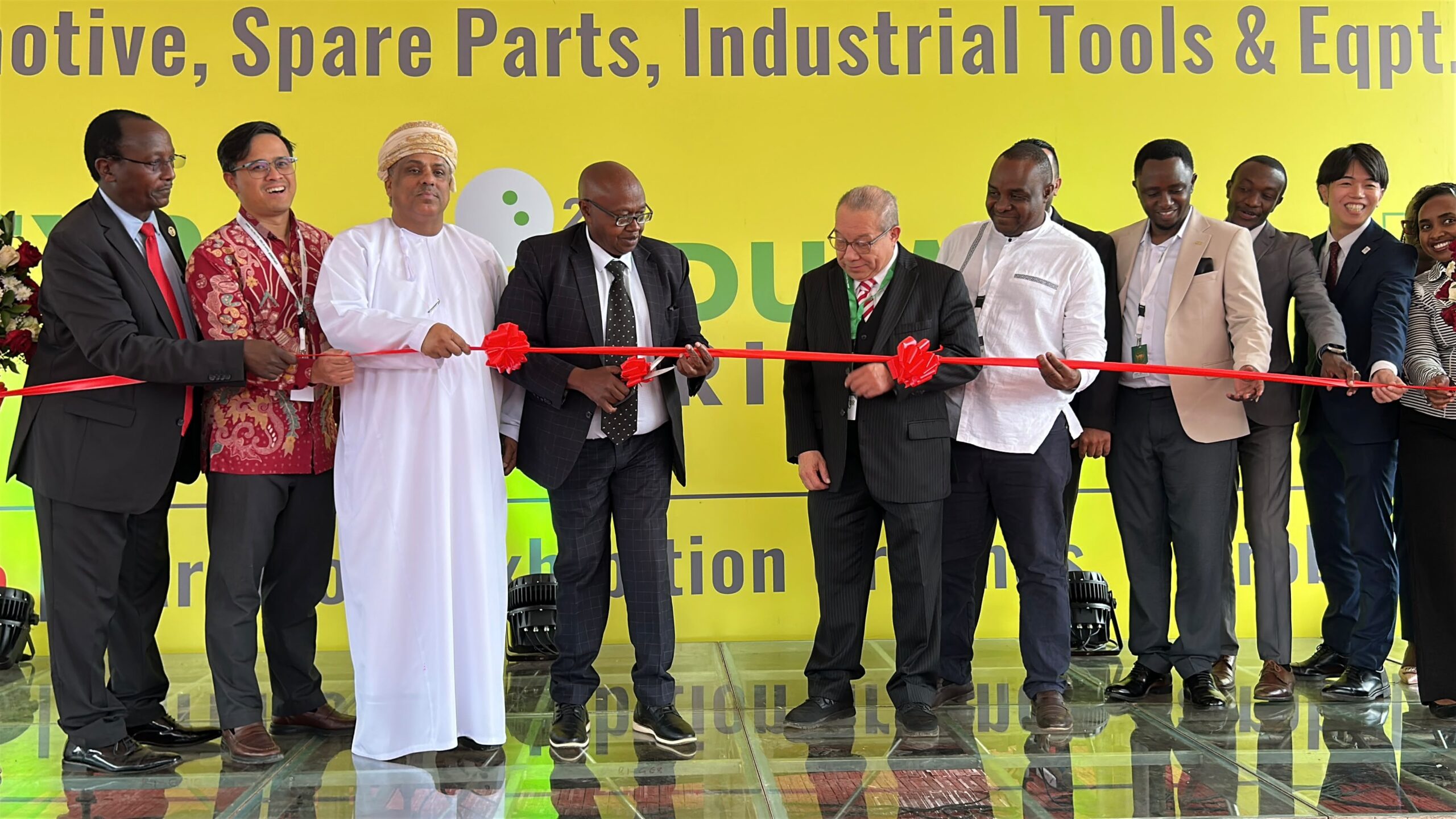
NAIROBI, Kenya, June 3 – Kenya’s automotive industry steps into the international spotlight this week as the 27th Autoexpo Kenya 2026 Edition officially opened in Nairobi on Wednesday 3rd June to 5th, convening global manufacturers, parts suppliers, dealers, distributors and mobility investors into one of East Africa’s most closely watched vehicle markets.
The Expo taking place at the Carnivore Grounds with support from the Ministry of Trade and Investment and industry partners including the Automobile Association of Kenya, the Electric Cars Society and the Automotive Parts Manufacturers Association of Kenya features exhibitors from more than 30 countries.
This year’s fair extends beyond the traditional automotive sector, Its staged alongside EV EXPO Kenya 2026, INDUSMACH Kenya 2026 and TOOLS & HARDWARE Kenya 2026, creating a larger platform that connects manufacturers, distributors, engineers and technology providers under one venue.
The showcase covers automotive technology, spare parts, garage equipment, lubricants, batteries, heavy commercial vehicles, motorcycles and electric mobility solutions.
According to Organisers the combined exhibitions will showcase more than 10,000 products and attract over 5,500 professional visitors with the concentration of exhibitors from multiple industries expected to create opportunities for procurement discussions, dealership arrangements, distribution partnerships and supplier engagement.
Kenya is trying to reposition transport from an import-heavy consumer market into a platform for cleaner mobility, assembly, parts distribution, and energy-linked innovation.
The Chief Guest, Mr. Samuel Karanja NjoraSecretary Administration in the State Department of Industry while opening the expo said the government has supported the fair which has attracted more than 30 countries from Africa and the rest of the world with manufacturers, investors who are looking for business here and people who are distributing on behalf of manufacturers who are based outside the country.
“We want to encourage manufacturing of motor vehicles, motorcycles locally So any initiatives that head towards that direction, we are supporting it and we will continue to do that, We will be here for three days and invite members of the public to come and see various products over here”, said Mr. Karanja.
He highlighted that currently, about 14 parts that go into making a motorcycle are made by local manufacturers, so you cannot import them from outside noting that Kenya has the capacity for some of these items,like a carrier in a motorcycle or a side mirror.
“Those are products that can be made by our people who are in the juwakali sector. So there’s that law that will come, we will ensure that some parts that go into making a product are sourced locally”, He added.
“We are discouraging importation of complete product, a complete vehicle, a complete motorcycle, So we are telling them to bring in the parts and do their sobering”.
Margaret Muchoki, Board member of the Automotive Parts Manufacturers Association, who is a partner to the auto export for the second consecutive year commended the Ministry of Industry and Trade, who APMA has worked very closely with to promote the local manufacturing sector, particularly for automotive industry.
APMA is the umbrella body that brings together anyone in the automotive space with anyone manufacturing anything that would go into a vehicle or into a two-wheeler or motorcycle, so brake pads, batteries, filters, carriers, anyone basically in the automotive space and manufactures anything that would be used in a car them.
“We are here, number one, of course, to show support to our partners that are here, because some of our members are exhibiting here, But we’re also here because we recognize the part that all these international investors could also play in terms of skills transfer, but also partnering with Local companies”, said Ms Muchoki.
She echoed what has been said by the government in terms of the Ministry of Trade, in the push to encourage local content and local sourcing for both automotive space and also motorcycles and two-wheelers.
“So if you think about a battery, if I’m a local assembly of a truck in Kenya and you have a local company in Kenya like Chloride that sells batteries, the government is encouraging that those local assemblies actually buy automotive parts from the companies that can locally manufacture”.
The exhibition comes at a time when demand for transport services, logistics equipment and vehicle-related technologies is expanding across the region. Businesses operating in distribution, passenger transport, fleet management and industrial production are increasingly seeking new suppliers and technology.
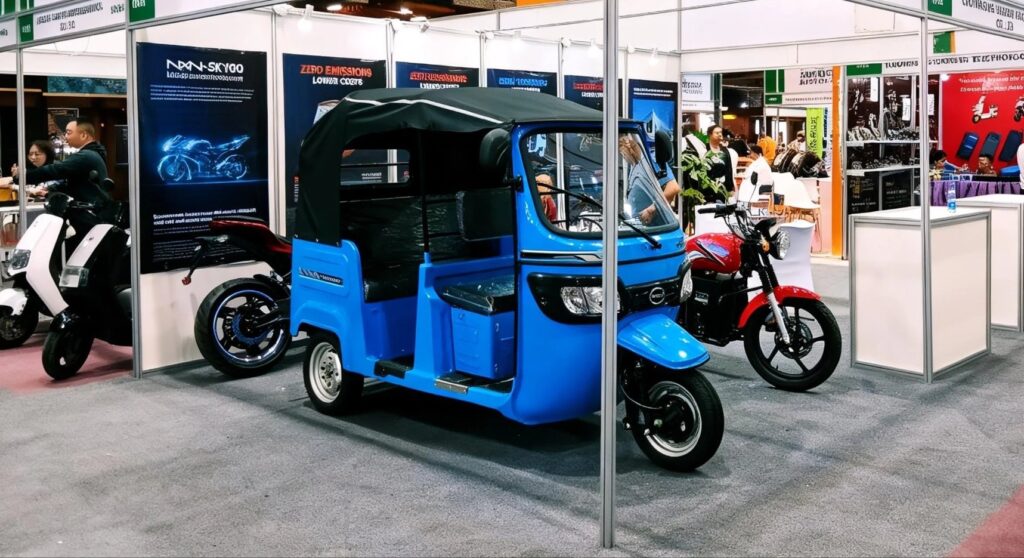
The government launched its National Electric Mobility Policy in February 2026 after EV registrations rose sharply from 1,378 in 2022 to 39,324 in 2025, with electric motorcycles leading much of that growth.
Additionally, New commercial developments are also expected to allocate at least 5 percent of parking space to EV charging infrastructure, while off-peak electricity tariffs are being used to encourage adoption.
Globally, electric car sales topped 17 million in 2024, with China accounting for more than 11 million, underscoring the scale of competition now shaping supply chains, technology standards and dealer strategies.
The newly introduced EV Expo Kenya 2026, running alongside AUTOEXPO AFRICA, signals where the industry conversation is moving.
Electric cars, motorcycles, batteries, charging systems, energy storage and smart mobility products are no longer side attractions. They are becoming part of the commercial question facing importers, financiers, fleet operators, workshops and policymakers.
Kenya’s opportunity lies in turning trade interest into durable local value through assembly, servicing capacity, charging networks, skills development and credible regulation.
Further, the risk is that the country remains mainly a destination for imported vehicles and components while the higher value parts of the mobility transition are captured elsewhere.
As companies continue to look for growth opportunities across Africa, trade exhibitions remain one of the principal channels through which new commercial relationships are formed.
The Nairobi event is expected to provide a snapshot of where investment interest is moving across the automotive, industrial and mobility sectors.