NCIC Engages Stakeholders to Spearhead Peaceful 2027 General Elections Drive
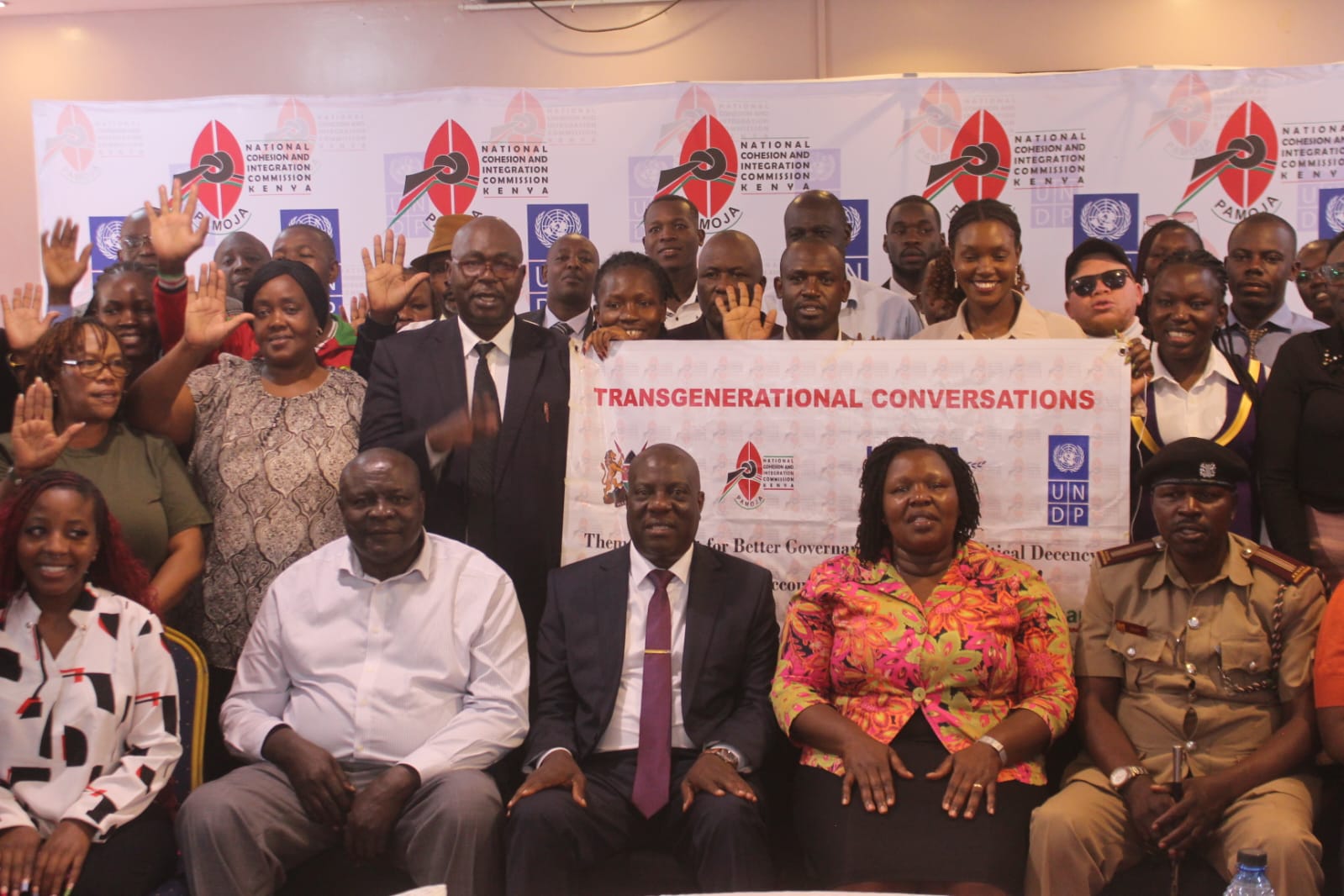
NAIROBI, Kenya, Oct 9 – As Kenya approaches the 2027 General election a defining moment, The National Cohesion and Integration Commission (NCIC) has intensified preparations for a peaceful 2027 Election with a two-day stakeholder engagement forum in Nairobi aimed at building a common approach to preventing electoral violence, hate speech and political intolerance.
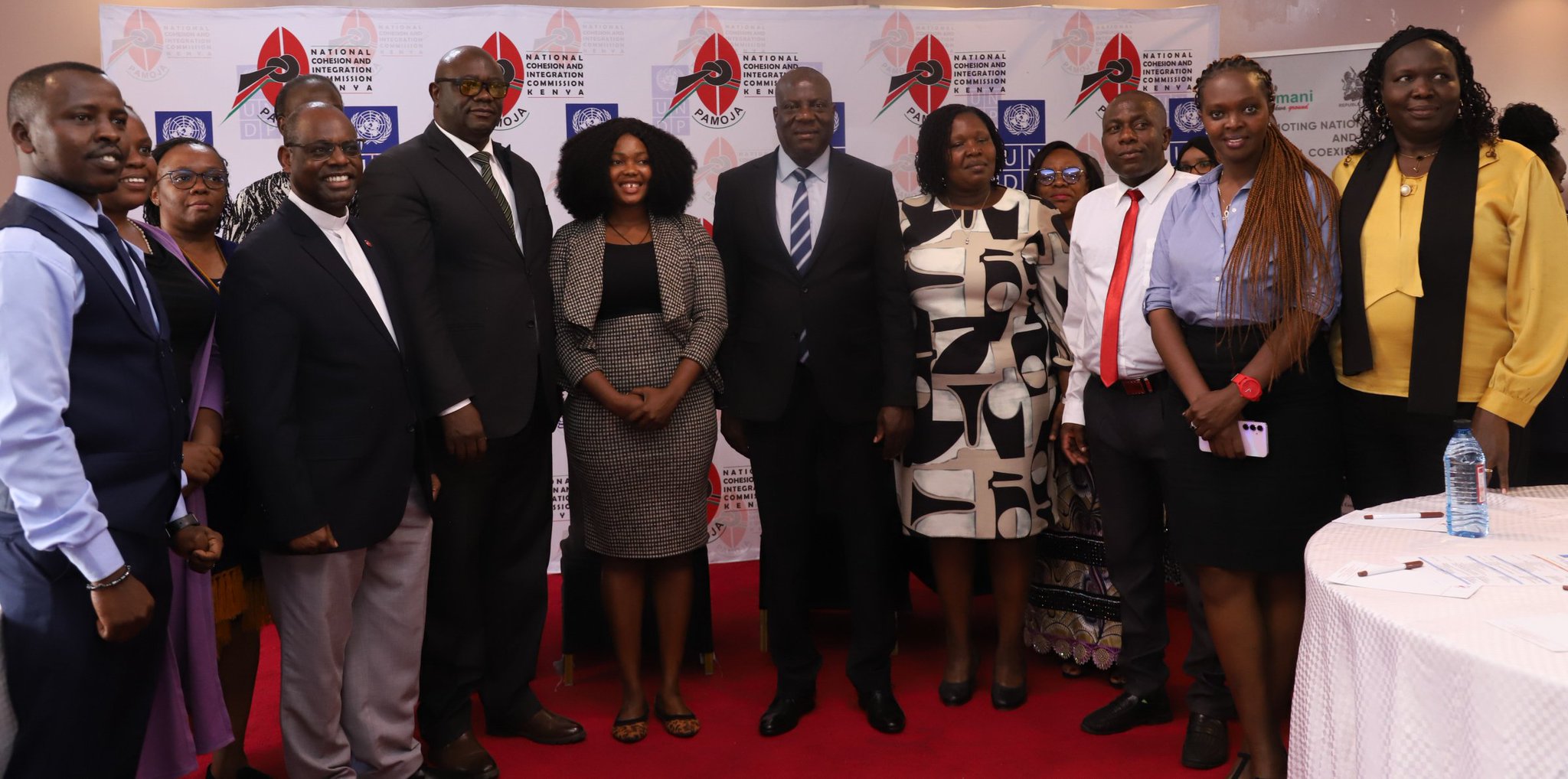
The “Uchaguzi Bila Noma” second edition stakeholder engagement forum held on October 6 to 7 2026 brought together key peacebuilding actors, including national government administration officials, security agencies, county officials, civil society groups, religious leaders, political party representatives, youth, women’s groups and the media to forge a unified strategy against political division.
Early Intervention and Nationwide Mapping, Central to the Commission’s strategy is the implementation of its Roadmap to a Violence-Free 2027 General Election and Beyond.
The framework focuses on strengthening early warning and response mechanisms to address conflict drivers well before voters head to the polls.
To execute this, NCIC is launching a nationwide mapping exercise to identify, monitor, and prioritize high-risk counties.
The initiative includes recruiting and strategically placing cohesion monitors throughout the electoral cycle, these monitors will gather real-time ground intelligence and maintain a visible presence to deter incitement.
NCIC Director of Research and Knowledge Management, Millicent Okatch emphasized that Kenya must learn from past electoral cycles where ethnic divisions and hate speech escalated into violence.
“We’ve had a past that has not been so good. Kenya gets into hate and political intolerance, ethnic division, and it’s important that we rally all Kenyans, the citizens, all the stakeholders, so that we work collectively towards preserving our country,” said Okatch.
She highlighted lack of trust, political intolerance, and divisive politics as primary vulnerabilities threatening national stability.
Additionally, The Commission expressed concern over the role of digital platforms in amplifying political tension. Misinformation, disinformation, and inflammatory content online spread rapidly, raising the risk of real-world conflict.
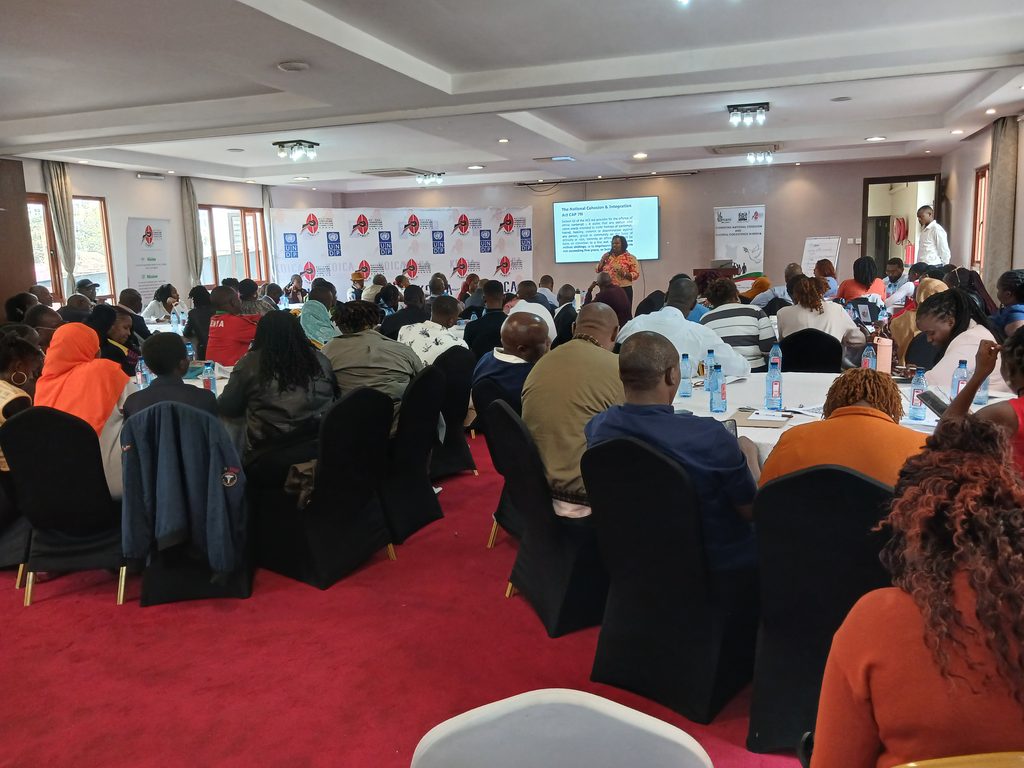
To mitigate these risks, the Nairobi forum prioritized peace messaging, community-level early warning networks, and strategies to prevent violent extremism and online incitement.
Youth inclusion was highlighted as a critical pillar of the roadmap. Okatch called on organizations working with young people to actively incorporate their voices and prevent them from being exploited for political violence.
“We want to encourage all stakeholders working with youth to ensure that they are involved and their voices are heard,” Okatch added, urging young Kenyans to act as peace ambassadors rather than instruments of political manipulation.
NCIC Commissioner Jackson Swadi Kedogo underscored that the Commission’s priority is proactive prevention rather than reactive response. He noted that peacebuilding must become a shared responsibility across all sectors of society.
Representatives from the Office of the Registrar of Political Parties (ORPP) aligned with this message, emphasizing that political competition should focus on policy debates, platform ideas, and constructive issues rather than exclusion, intimidation, or hate speech.
Key components of the ongoing strategy include: Civic Education Campaigns: Building community resilience to help citizens identify and reject political manipulation.
Inter-Sectoral Mediation: Partnering with faith-based organizations and traditional leaders to resolve local disputes.
Post-Election Audits: Conducting comprehensive institutional analyses after the election to refine peace frameworks for future cycles.
In a call to action, NCIC extended an open and urgent invitation to state and non-state actors, civil society, and local communities to align their peace initiatives with the national roadmap across every county, ward, and village.
“We urge you to bring your expertise, your community trust, your platforms, and your commitment to every county, every ward, and every village where tensions persist and where reconciliation remains possible”.
Further, the Commission pointed to the peaceful conduct of the 2022 General Election as proof that citizens can resist political division through daily coexistence in trade, worship, and community life.
“The 2027 General Election is not a threat to fear; it is an opportunity to affirm who we truly are,” said Mr. Kedogo, urging citizens to choose dialogue over conflict and country over political division.
Supported by international partners including the United Nations Development Programme (UNDP) and the Korea International Cooperation Agency (KOICA), NCIC stresses that peace enforcement cannot rely solely on state institutions.
The Nairobi forum marks the beginning of a broader campaign as the NCIC rolls out stakeholder consultations across all 47 counties in the lead-up to 2027.