From Hashtags to the Ballot: How Kenya’s Youth Are Turning Street Protests into a 2043 Governing Blueprint
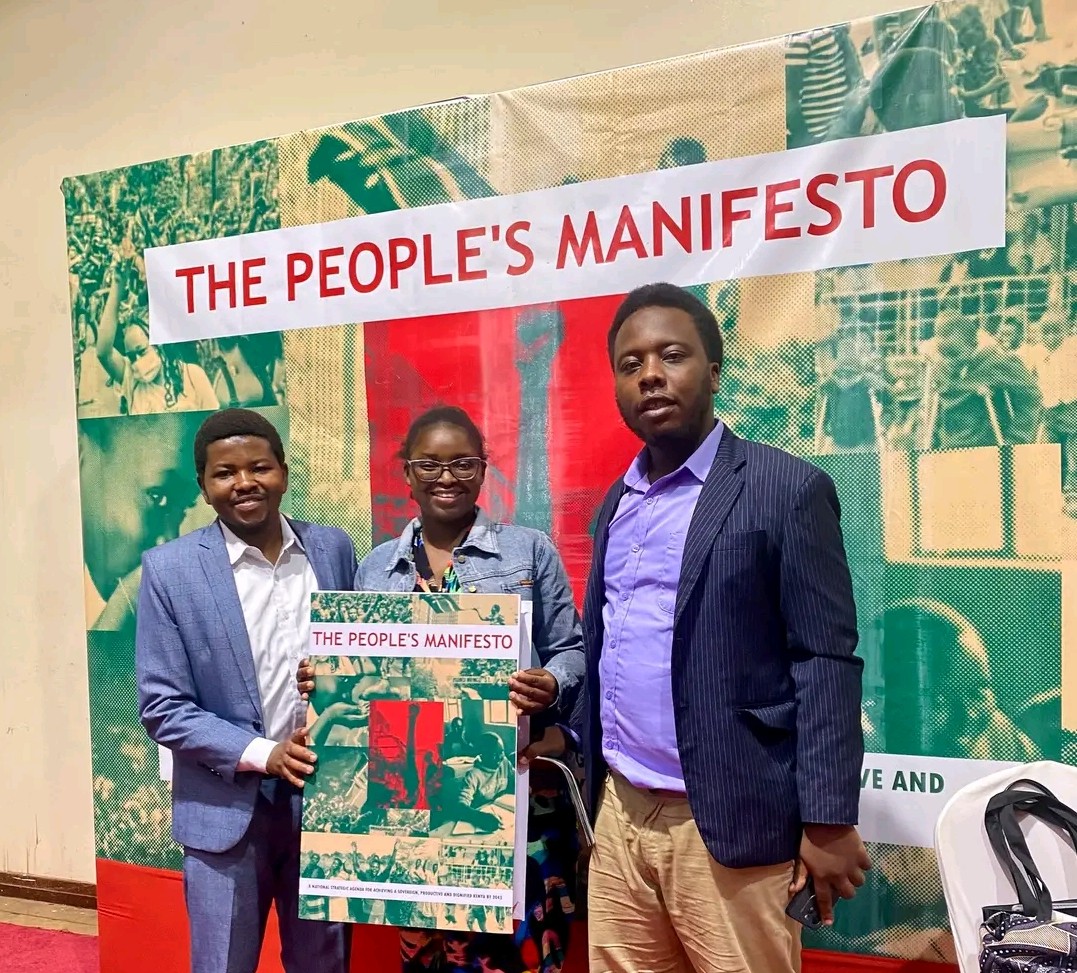
For the last two years, the defining image of Kenyan youth politics has been a smartphone held high in a cloud of tear gas or a trending hashtag demanding accountability from outside the gates of power, On Thursday 25, 2026 in Nairobi, a coalition of young Kenyans decided that making noise from the outside is no longer enough.
Unveiled on November 25, The People’s Manifesto marks a deliberate pivot from street mobilization to structural power.
Rather than offering another list of grievances, the youth said the 16 point national strategic agenda designed to carry Kenya to 2043, anchored by strict, measurable benchmarks for whoever seeks office in the 2027 general election.
“We refuse to be a generation that is heard only when it is protesting,” the document states plainly. “Participation cannot end at the barricade or the hashtag.”
The Shift from Reaction to Strategy
What makes this manifesto distinct from past political declarations is its refusal to treat youth issues as a side-note.
Instead of asking for token youth funds or representation quotas, the drafters went straight for the levers of the Kenyan economy and state architecture.
At the top of the list is money specifically, who controls it and who pays for it. Demand number one calls for opening the books within 100 days, auditing every public loan and refusing to honor debt incurred outside the Constitution.
Immediately following that is a direct challenge to executive overreach: stripping the National Treasury from presidential control, requiring parliamentary votes on major borrowing, and enforcing a hard debt ceiling.
For a generation that has watched its future mortgaged while basic services crumble, the economic prescription is blunt: tax wealth, not wages.
The manifesto proposes taxing idle land and inherited wealth, ending corporate exemptions that yield no public benefit, and establishing an independent authority to recover stolen public assets.
Rebuilding the Everyday Kenyan Experience
Beyond macroeconomics, the blueprint zooms in on the daily indignities facing ordinary households high electricity bills, unaffordable housing, precarious gig work, and a chaotic education transition.
The demands read like a checklist for restoring basic dignity under Article 43 of the Constitution:
Power and Production: Auditing and canceling unfair Independent Power Producer (IPP) contracts to slash tariffs for households, farmers, and factories, paired with a 50-year industrialization plan to push manufacturing from 7 percent to 20 percent of GDP.
Education and Health: Raising health spending toward 12 percent of the budget to guarantee free primary care, and dedicating at least 6 percent of GDP to public education including hiring unemployed teachers and phasing out the Competency-Based Curriculum (CBC) through a managed transition that protects current students.
Work and Living Standards: Banning unpaid internships, extending formal labor protections to gig and informal workers before taxing them, building 200,000 decent homes annually with rent caps, and expanding clean piped water and mass transit across five cities.
Devolving Power and Ending Impunity
The manifesto also takes aim at the political class’s favorite patronage tools. It demands raising county revenue allocations from 15 percent to 35 percent while abolishing the National Government Constituencies Development Fund (NG-CDF) a move sure to spark fierce resistance from sitting Members of Parliament.
To break the cartelization of elections, it calls for capped nomination fees, enforced campaign finance limits, and a referendum on proportional representation.
Equally uncompromising is its stance on state violence and national sovereignty. Still raw from the crackdowns on recent demonstrations, the youth agenda demands removing the military from domestic policing, prosecuting every unresolved case of police killings and creating an independent body to hold police, military, and intelligence officers accountable.
On foreign policy, it calls for ending foreign military bases in Kenya within five years and subjecting every international agreement to parliamentary and public scrutiny.
“Sisi Ndio Tunawapanga” In Kenyan political slang, kupangwa means being played, manipulated, or organized like pawns by politicians during election cycles.
For decades, young people have been mobilized for rallies, handed small stipends, and forgotten the morning after ballots are counted.
“This time, hatupangwi”. This time, sisi ndio tunawapanga.”(This time, we are not being played. This time, we are the ones setting the agenda.)With the 2027 elections already casting a long shadow over Nairobi, The People’s Manifesto serves notice to every aspiring leader.
The streets may have quieted for now, but the movement hasn’t gone home it has simply moved to the drawing board, metrics in hand, waiting to grade the next government.