

Digital Abuse Emerges as New Front in Kenya’s Gender-Based Violence Crisis
More than a quarter of women aged 15–49 in Kenya have experienced technology-facilitated gender-based violence, exposing a growing dimension of abuse that is increasingly extending beyond homes and physical spaces into the digital world.
Findings from the 2025/2026 Kenya Mini-Demographic and Health Survey reveal the scale of the problem, raising concerns about women’s safety as digital platforms become increasingly embedded in everyday communication and social interactions.
Technology-facilitated gender-based violence includes online harassment, cyberbullying and digital control intended to intimidate, threaten or otherwise harm women.
The findings add a new dimension to Kenya’s wider gender-based violence crisis, which has historically been associated with physical assault, sexual violence, domestic abuse and harmful cultural practices.
According to the 2022 Kenya Demographic and Health Survey, 34 per cent of women in Kenya have experienced physical violence since the age of 15, while 13 per cent have experienced sexual violence during their lifetime.
In nine out of 10 cases, the perpetrators are current or former husbands or intimate partners.
The emerging digital threat underscores the need to address gender-based violence across both physical and online environments, particularly as abuse can extend beyond intimate relationships and involve different perpetrators.
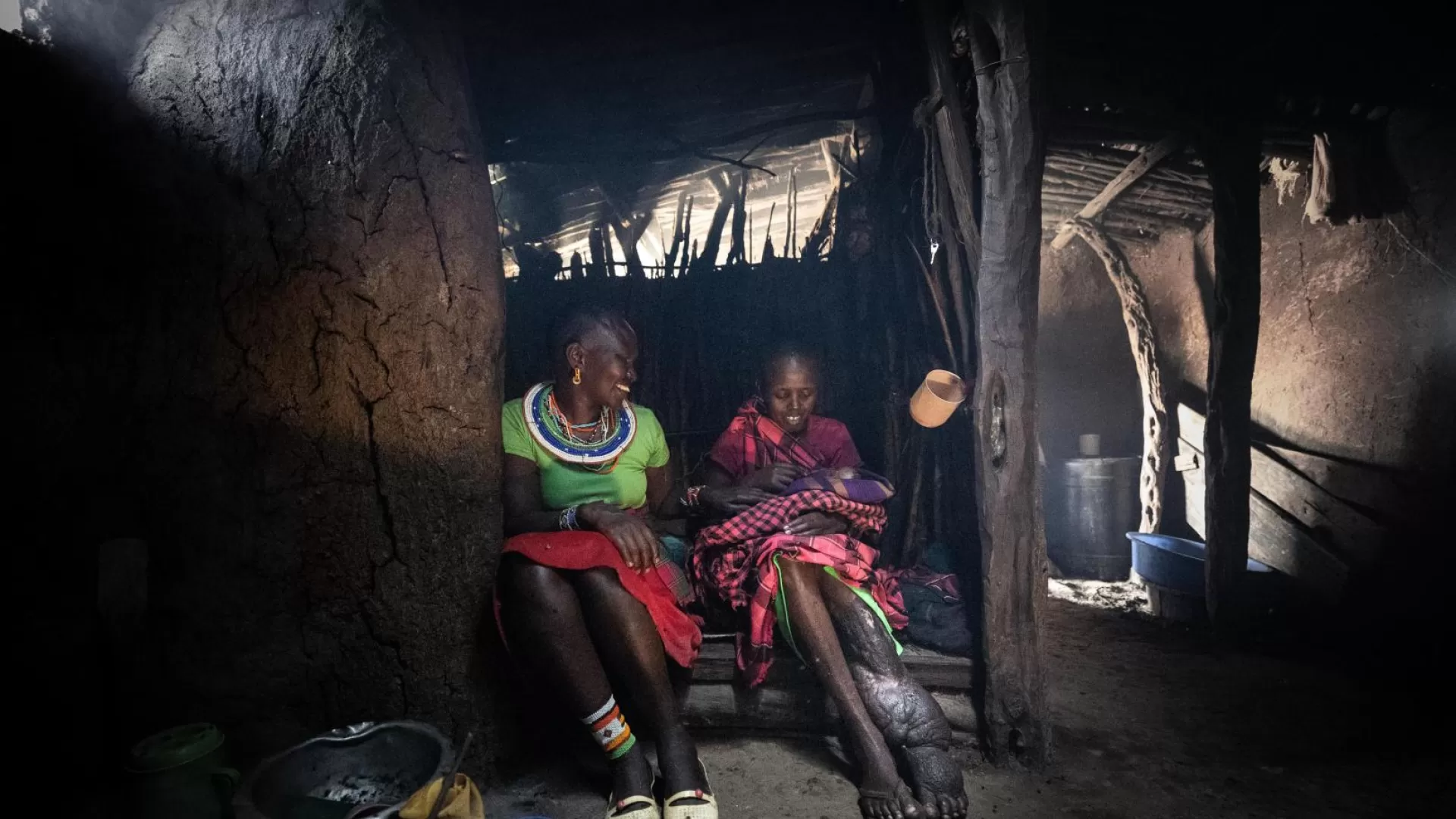
The consequences of gender-based violence are illustrated by the experience of Mparakoni Leabune from Samburu County, who was married at 14 and endured repeated physical abuse in her marriage.
Leabune, the third wife in a polygamous union, sustained a serious injury to her left leg following repeated beatings by her husband. Despite several medical interventions, she continues to experience complications.
“My husband used to beat me a lot. That is how I got this leg injury,” she says.
Her marriage eventually ended in divorce, and she now lives with her mother.
Her experience highlights how gender-based violence can begin early in life and leave lasting consequences, including physical injuries and the loss of personal security.
Health workers say social and cultural barriers continue to prevent survivors from seeking medical attention and accessing support.
“Women are suffering silently because they cannot seek medical attention, not because of their own will, but because of the patriarchal society we live in,” says Samson Esward Leerte, a nurse and reproductive health coordinator for adolescents and young people in Samburu County.
Kenya has established constitutional and policy frameworks to address gender-based violence, including the 2010 Constitution, the National Policy on Gender-Based Violence and the National Policy for the Eradication of Female Genital Mutilation, both adopted in 2019.
In January 2025, President William Ruto established a technical working group on gender-based violence, including femicide, to develop recommendations for tackling violence against women and girls.
The recommendations presented in November 2025 included measures to address femicide and female genital mutilation, as well as establishing operational one-stop gender-based violence recovery centres in every county.
In July 2026, the government, through the State Department for Gender and Affirmative Action under the Ministry of Gender, Culture and Children Services, convened a national consultative forum with partners to discuss implementation and sustainability of the recommendations.
The Ministry of Health is also strengthening the health sector’s role in preventing and responding to gender-based violence.
Mary Gathitu, the Ministry’s Sexual and Reproductive Health and Rights Programme Lead, says the priority is to improve access to timely, quality and survivor-centred services while strengthening prevention, early identification, referral and coordination across sectors.
The World Health Organization (WHO) has supported the Ministry of Health in assessing the readiness of health facilities to respond to gender-based violence in six counties.
Since 2025, WHO has trained more than 250 health workers in the clinical management of gender-based violence survivors and participates in the technical working group supporting the Ministry’s interventions.
“Gender-based violence, particularly intimate partner and sexual violence, is a major public health and human rights concern, rooted in unequal gender norms and power dynamics,” says Dr Rita Arogo, WHO Kenya’s Maternal and Reproductive Health Officer.
She says preventing and eliminating violence must be prioritised through action and advocacy at the highest levels.
The latest survey findings present an additional challenge for Kenya’s response: ensuring that efforts to protect women and girls recognise technology-facilitated abuse as part of the wider gender-based violence crisis.
As the country marks the International Day for the Elimination of Violence Against Women on November 25, the findings reinforce the need for prevention, survivor support and accountability that extend across both physical and digital spaces.