
With Kenya’s Public Debt at KSh 13.1 Trillion, Mzalendo Trust Bets on Citizen Scrutiny to Hold Parliament Accountable
For years, Kenya’s 2010 Constitution has been praised for its strong guarantees on public participation and open governance.Yet for many ordinary citizens whether a trader in Kisumu or a farmer in Kwale what happens inside the National Assembly and the Senate often feels distant, opaque, and disconnected from the rising cost of living.
As Kenya grapples with mounting fiscal pressures, parliamentary watchdog Mzalendo Trust is launching an ambitious effort to bridge that gap.
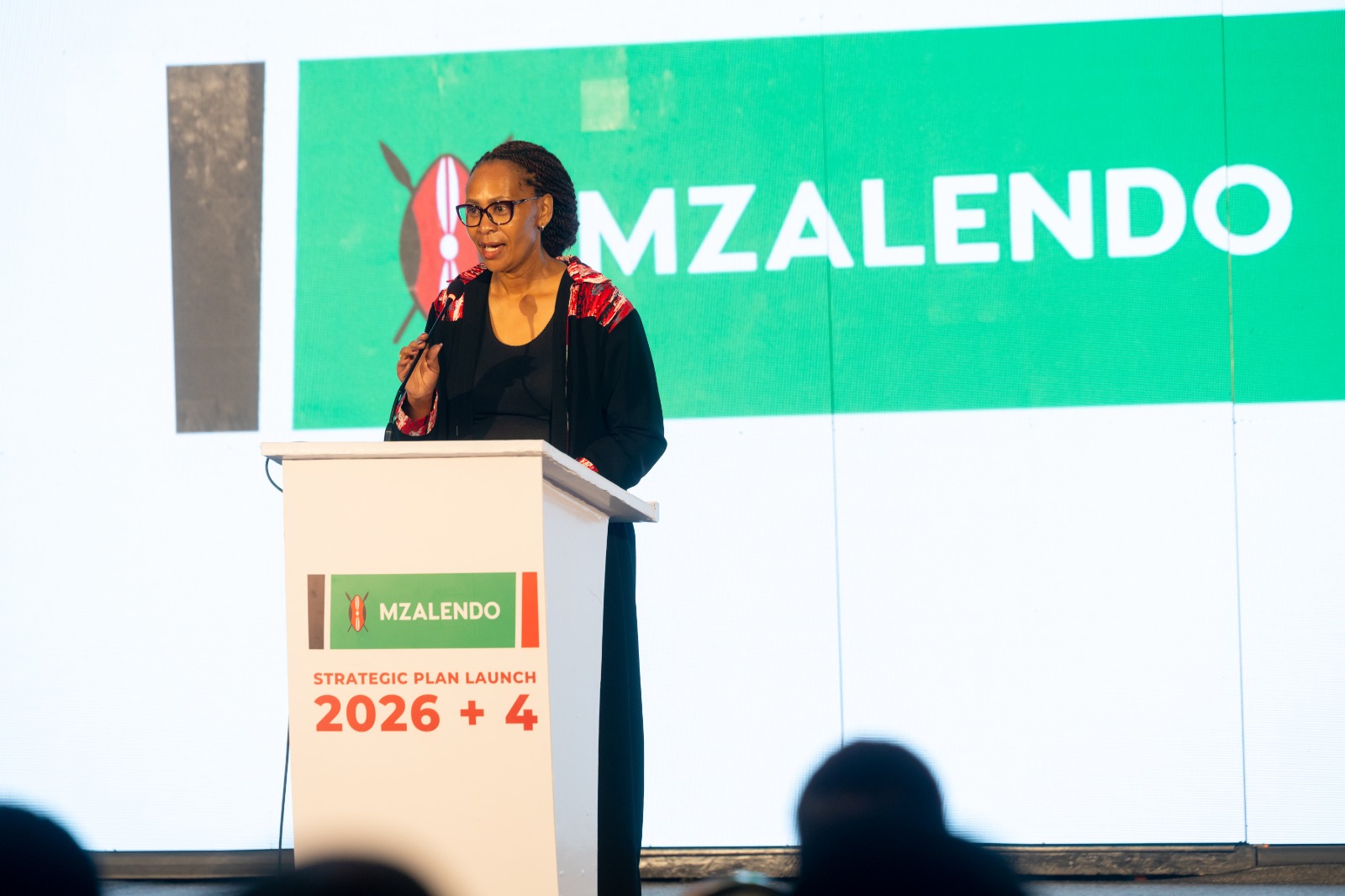
On Wednesday, the organisation unveiled its 2026–2030 Strategic Plan, shifting its focus from merely publishing legislative data to ensuring citizens actively use that information to demand accountability between elections.
The timing is critical
According to the Parliamentary Budget Office’s November 2026 Budget Options paper, Kenya’s public debt hit KSh13.1 trillion by the end of June 2026, with debt interest payments alone consuming KSh1.074 trillion in the 2025/26 financial year even as revenue collections fell KSh60.2 billion short of target.
In an environment where every shilling allocated by lawmakers directly affects household taxes, business survival, and public services, Mzalendo Trust argues that passive citizenship is no longer an option.
“Today, the Constitution obligates Parliament to work in the open and to let people in,” said Caroline Gaita, Executive Director of Mzalendo Trust, during the launch.
“The legal architecture of participation is built, but we know this has not been sufficient. We will continue to monitor Parliament and produce credible legislative information, but we will place greater emphasis on whether that information is used, whether participation is meaningful, and whether our work contributes to more open, inclusive and accountable legislatures.”
Moving Beyond the Ballot Box
Founded in 2005 with a simple mission to keep an eye on Kenyan lawmakers, Mzalendo Trust has spent two decades tracking MPs’ attendance, speeches, and voting records.
Reflecting on that 20-year journey, Chair and Co-Founder Ory Okolloh noted that visibility was only the first step.
“Twenty years on, our responsibility now is to build on this trust and ensure that the information and knowledge we produce leads to stronger participation, more inclusive representation and demonstrable accountability,” Okolloh said.
To achieve this across Kenya and the wider continent, the 2026–2030 plan rests on three core pillars:
Strengthening Legislative Openness: Combining independent monitoring, research, and civic technology to make parliamentary records accessible and understandable.
Championing Inclusion: Dismantling barriers that sideline women, youth, persons with disabilities, and marginalised communities from political processes.
Deepening Citizen Scrutiny: Supporting sustained public oversight so citizens can track whether lawmakers actually follow through on their promises.
Making Information Usable for Everyone
A major hurdle to public participation in Kenya has always been accessibility. Dense legal jargon, late publication of Bills, and digital divides frequently lock out the very people most affected by new laws.
Dorothy Jemator, Vice-Chairperson and Commissioner of the Commission on Administrative Justice (CAJ), emphasized that the right to information means little if citizens cannot practically exercise it.
She called for the timely release of committee notices and parliamentary reports, adding that deliberate steps must be taken so that “people facing barriers related to disability, language and geographical location are not left behind.”
Meanwhile, Foreign Affairs Principal Secretary Dr. Korir Sing’oei echoed the need for a healthy tension between state institutions and watchdogs.
While urging Parliament to strictly exercise its oversight role over public funds, he stressed that civil society “must retain its independence to monitor, question and contribute.”
Preparing for an Uncertain Decade
Looking beyond the five-year horizon, Mzalendo Trust also introduced a 10-year Strategic Foresight Framework (2026–2036) mapping out four potential futures namely Mambo ni Yale Yale (Business as Usual), Mambo ni Mwecheche (Collapse), Tumejipanga (Intentional Repair and Building), and Form ni Mpya (Total Disruption).
Rather than predicting the future, Gaita noted, the scenarios are designed to keep civic watchdogs adaptable regardless of how Kenya’s political and economic landscape shifts over the next decade.
Ultimately, as the country navigates tight budgets and growing public frustration over governance, Mzalendo’s new strategy boils down to a straightforward premise: Parliament belongs to the people, and democracy works best when citizens have the tools and the resolve to watch closely.