
Amplifying Lived Experiences: African storytellers advocates for personal narratives to drive policy and empathy
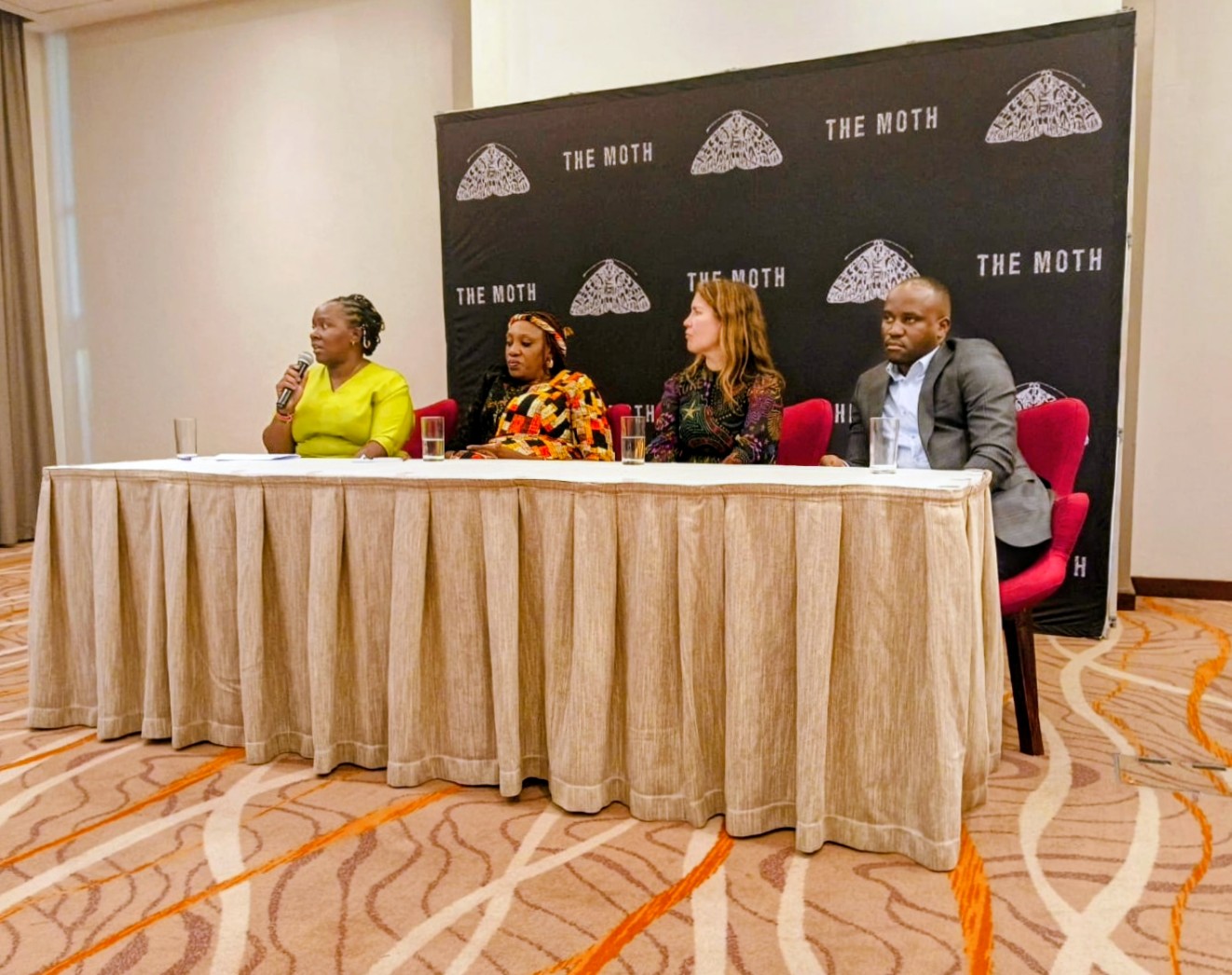
NAIROBI, Kenya, Nov 1 – Storytellers and media practitioners from across Africa gathered in Kenyan capital Nairobi for a powerful media roundtable exploring how personal stories can inspire empathy, shape policy and drive social change across the continent.
Themed “From Pain to Power,” the event brought together leading storytellers, seasoned journalists and passionate advocates committed to amplifying authentic African voices in an era dominated by digital noise and misinformation.
Organized as part of The Moth’s storytelling initiative, a renowned global platform that equips individuals to use personal narratives as tools for transformation, the roundtable focused on practical methods for crafting, vetting, and disseminating stories that hold weight, build bridges and challenge harmful stereotypes.
The essential conversation highlighted the often-underutilized power of authentic, individual narratives to cut through generic headlines and connect communities on a fundamental human level participants emphasized that for policy to be truly effective and for social change to be sustainable, it must be informed by the lived experiences of the people it aims to serve.
Sarah Austin Jenness, Executive Producer at The Moth, highlighted that storytelling remains one of the most powerful tools for human connection and reform.
“The more personal a story is, the more universal it becomes, Stories challenge dominant narratives, build empathy and help people realize that the issues we face globally from gender equity to food security are not someone else’s problem they are right here in our own backyards”, said Sarah.
She further shared examples of how stories have influenced real-world change reflecting on Kenyan storyteller Roselyn Orwa, whose testimony at the United Nations in 2022 helped influence reforms on inheritance laws and protection for widows.
“That story, told from a place of truth and courage, changed perceptions and laws,” she said.
Brian Turyabagye, Ugandan Storyteller and Changemaker reflected on storytelling as a deeply personal and communal process.
“When someone shares their story live, you connect with their fears, their triumphs, and their courage, that connection is healing. It reminds people that they’re not alone and that transformation begins with being heard”, He said.
Nigerian storyteller and advocate Caroline Onwuezobe noted that empathy and ethics are central to authentic storytelling.
“We must tell stories that heal, not harm, When covering sensitive issues like gender-based violence or teenage pregnancy, journalists must ensure the story uplifts the subject rather than exploits their pain.”
Further, She highlighted that digital platforms can still serve as powerful storytelling spaces when used responsibly.
“Social media allows people to share real experiences and connect across distances, But it must be used to humanize,not sensationalize.”
It concluded with a call to action for African media houses and storytellers to train and mentor the next generation of storytellers, stressing both craft and integrity, Jenness noted that The Moth’s global storytelling program has trained over 800 storytellers in 30 countries, including several across Africa.
“Each graduate uses storytelling to build understanding and create the world they want to see,” she said.
“Storytelling is not just an art it is an act of courage, healing, and power. In reclaiming their own narratives, Africans are reclaiming their voice and shaping the future one story at a time”.