
Just Transition Platform (JTP) unveils continental framework for a Just and Equitable Transition
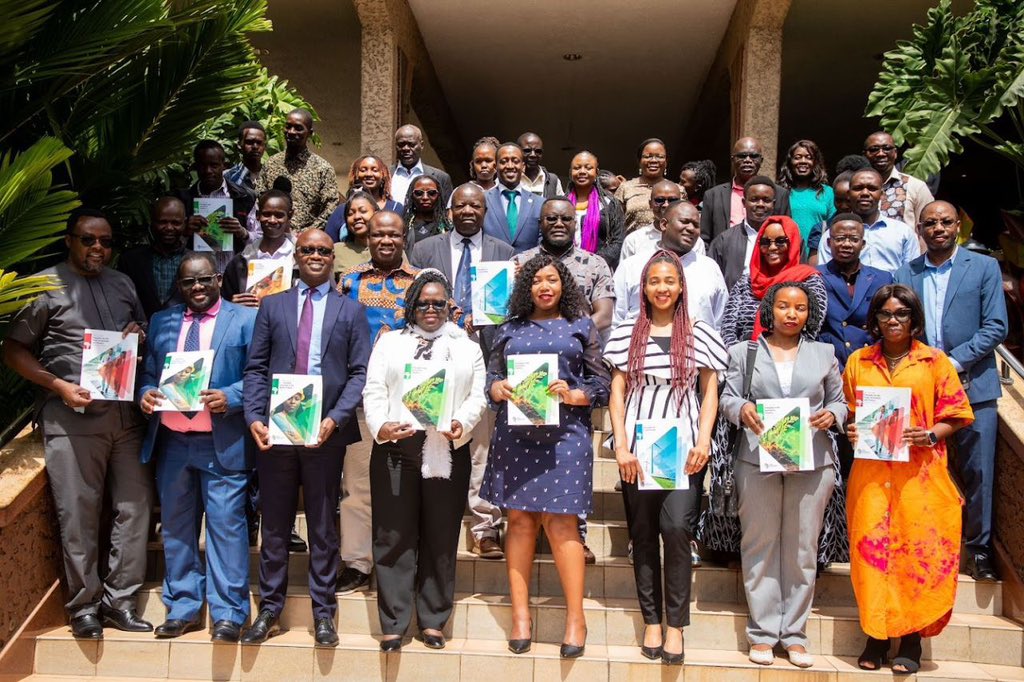
NAIROBI, Kenya, May 30 – The Just Transition Platform (JPT) has unveiled continental framework that redefines Africa’s pathway towards a Just and Equitable Transition.
Titled Advancing Just Transition in Africa: Climate Change and The World of Work, brought together leading voices from across the continent in energy, labour, trade land use and gender justice marked a pivotal moment for Africa’s response to global climate crisis.
Established in 2022 convenes a global pool of researchers, policy specialists and climate campaigners who posses rich, indepth regional expertise on the climate change policy landscape in Africa, ClimateWorks Foundation and the International Trade Union Confederation (ITUC) Africa currently serve as platform Co- Conveners.
Just Transition Platform (JTP) vision stands on three guiding principles designed to steer Africa’s energy transition in line with both climate goals and developmental needs.
The first Sustainable National Energy Resource Sovereignty asserts the right of African nations to manage their natural resources responsibly while integrating renewable energy local knowledge, and smart technologies.
Second principle, Energy Justice calls for universal access to clean, affordable power, ensuring vulnerable communities are shielded from the harms of fossil fuels and that the benefits of the transition are shared equitably.
Innovation and Collaboration as the third pillar emphasizes the need for inclusive partnerships, technology transfer, and sustainable financing to support homegrown, climate-smart solutions.
In addition, beyond energy the framework tackles systemic inequities across critical sectors including trade and finance it demands fair economic systems that reduce dependency, address debt burdens and safeguard against exploitation pointing to initiatives like the African Continental Free Trade Area (AfCFTA) as potential models.
“We can’t become renewable energy hubs and without skill development, the energy transition will pass us by, we need to stop being consultant-led and start being movement-led, and need to root our frameworks in lived African realities—not foreign assumptions”, said Dean Bhebhe, Power Shift Africa.
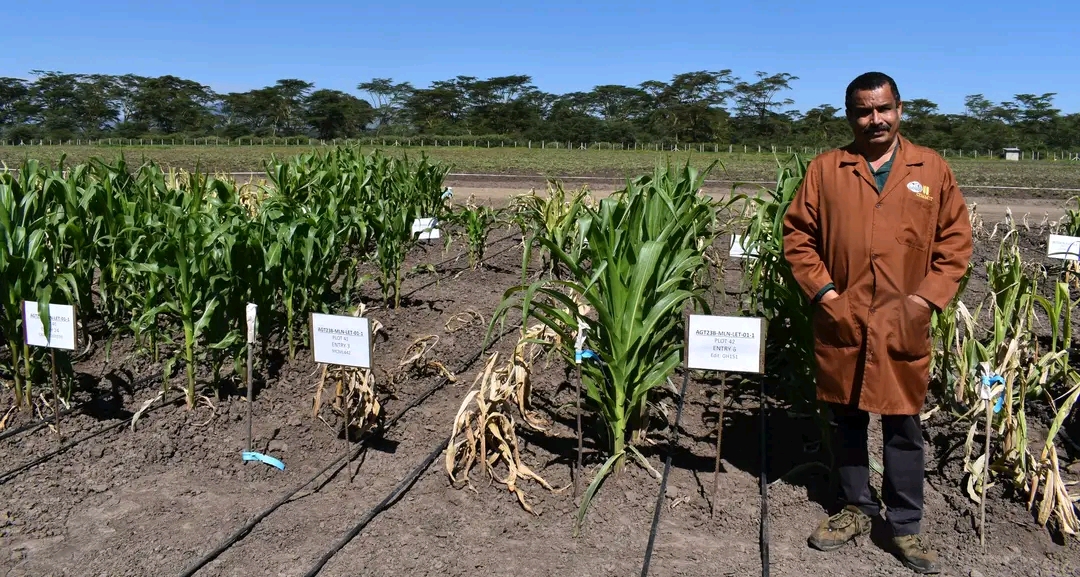
In agriculture, the focus shifts to land reform, empowering smallholder farmers and promoting low-carbon practices that bolster food security and resilience, Gender justice is also central, with a call to recognize unpaid care work and ensure women’s leadership in shaping climate policies.
“We need investments tailored to each region’s unique strengths a green economy cannot be built on blanket solutions, We talk about billions in development budgets but less than 2 percent goes to research How do we expect to guide green transitions without research and contextual data?”, said Dr. Samuel Ngingi, University of Nairobi.
George Mwaniki, Country Director, World Resources Institute stated that Agriculture absorbs 70 percent of Kenya’s labor force, yet contributes just 5 percent to GDP.
“If we want a just transition, this is the sector we must transform first Most of our farmers still practice subsistence farming, yet there’s potential to transition toward mechanization and high-value crop production If I had the power to design a framework, I’d focus it on making agriculture viable again not just for food security, but for dignified employment”, added Mwaniki.
The launch directly confronts the limitations of global climate frameworks, many of which have been criticized for overlooking Africa’s unique challenges.
Furthermore, they urged for Africa led solutions, deeper civil engagement and systemic reforms in global finance and trade
“As Africa position itself for a climate co conscious future this framework sets foundation for transformative change on Africa terms”.