

KEPSA commits to sustain structured public-private dialogue leading to the Finance Bill 2025
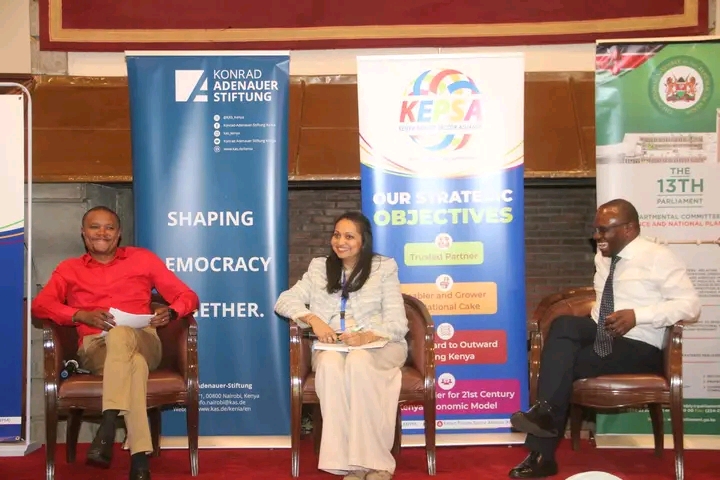
NAIROBI, Kenya, Apr 25 –The Kenya Private Sector Alliance (KEPSA) In an engagement with the National Assembly Committees on Finance and National Planning Budget and Appropriations and Trade, Industry and Cooperatives Committees private sector presented proposals aimed at shaping Kenya’s fiscal policy and legislative agenda to promote competitiveness, investment and inclusive growth.
The private sector is pushing for reforms in the Finance Bill 2025 to foster industrial resilience, tax efficiency, and stronger private sector participation in national planning.
KEPSA Chairperson Dr. Jaswinder “Jas” Bedi noted that the dialogue between Parliament and the private sector has entered a new, proactive phase one where fiscal policymaking is no longer reactive but co-created.
“The March 25th dialogue the first of this Finance Bill 2025 series of engagements laid bare the urgency of reform Kenya’s manufacturing base is eroding, SMEs remain overburdened by tax complexity, and fiscal unpredictability continues to stifle investment,” said Dr. Jas.
“As we reconvene, this meeting aims to go beyond diagnosis,We are here to translate well-articulated proposals into implementable commitments, particularly as we shape the Finance Bill 2025 by deepening our engagement now we create the opportunity to institutionalize a fair, efficient and growth-oriented fiscal framework that works for the state and the productive sectors of our economy.”
Finance and National Planning Committee Chair and MP Molo Hon. (CPA) Kimani Francis Kuria acknowledged that Predictability and efficiency in tax are essential in building trust in the government.
“We recognize that much more must be done to align fiscal policy with national development goals and investor expectations, and one of the recommendations we have is to institutionalize a Medium-Term Revenue Strategy (MTRS), which will provide a stable and transparent tax policy framework over a 3–5-year horizon”, Said Kimani.
In addition he recommended strengthening public-private dialogue and ensuring the private sector is involved in the early stages of tax policy design, digitization of revenue collection by enhancing investment in systems like iTax and eTIMS to improve efficiency and transparency in tax administration.
Furthermore, Kuria reiterated on a review of the tax expenditure reporting to ensure that incentives granted are targeted, time-bound, and provide measurable value to the economy.
“This will help co-create forward-looking, business-friendly, and equitable fiscal solutions that enhance competitiveness, foster sustainable growth, and position Kenya to navigate domestic economic challenges and emerging global trade protectionist trends”.
KEPSA CEO Carole Kariuki noted that there is need for stakeholder engagement and partnership between the private sector and the government to drive development, highlighting the need for government to implement infrastructure that supports business growth not just for public demand.
“We cannot continue being reactive to policy discussions these interactions represent intentional efforts for proactive collaboration between the private sector and key committees involved in the Finance Bill 2025 discussion,” said Ms. Kariuki.
National Assembly, led by Hon. (CPA) Kimani Kuria invited KEPSA Members to make submissions before the Finance and National Planning Committee next week.