
KISE, Huawei Leverage AI to Expand Learning for Persons with Disabilities
NAIROBI, Kenya, Apr 25 – The Kenya Institute of Special Education (KISE) in partnership with global technology leader Huawei hosted a media engagement to spearhead a transformative initiative aimed at leveraging artificial intelligence to enhance inclusive education and broaden access to assistive technology for persons with disabilities.
The two organizations underscored their commitment to bridging the digital divide, highlighting how cutting-edge AI solutions can be customized to dismantle learning barriers and foster greater independence for learners with diverse needs.
Spearheaded by Huawei, the important initiative brought together representatives from Huawei, AT4D, UNESCO, Qhala, the Signvrse team and the Ministry of ICT to explore how artificial intelligence can address barriers in access, learning and participation together with KISE contributing it’s expertise in special needs education, assessment and rehabilitation.
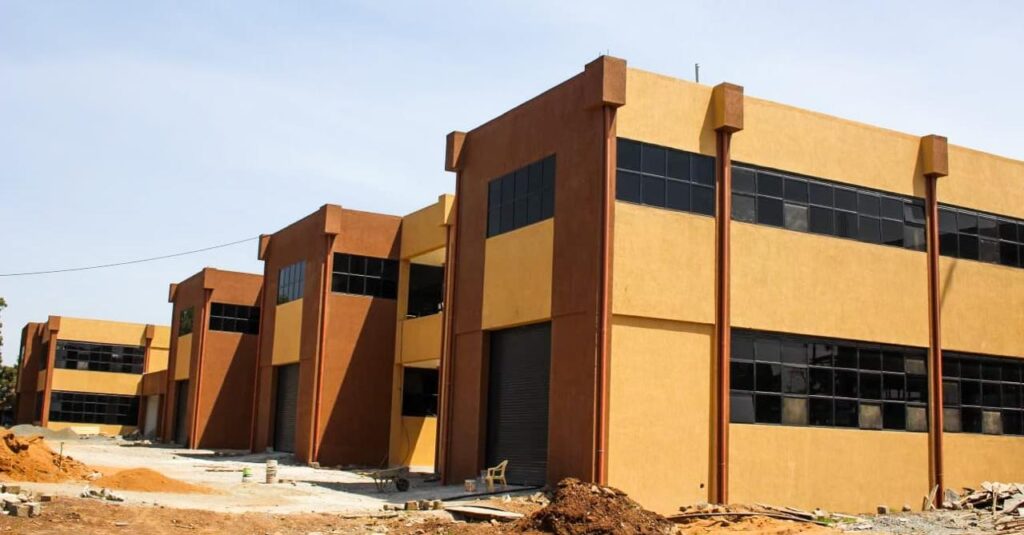
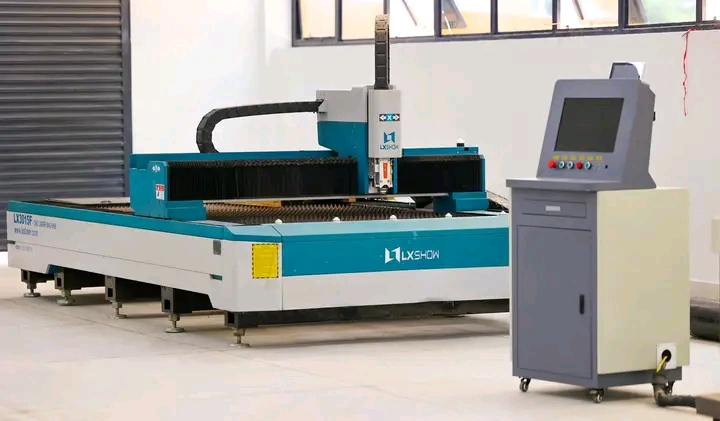
The visit showcased KISE’s holistic model in action, from Assessment Centre and rehabilitation units such as hydrotherapy, earmould production and sensory integration, to digital learning environments powered by Huawei smart screens and its National Assistive Devices Production Unit reinforcing its strategic focus on innovation, partnerships and sustainable inclusion.
Dr. Norman Kiogora, Director KISE reaffirmed Institution’s position as a centre of excellence in special needs education, assessment and rehabilitation noting that while technology is advancing rapidly, many persons with disabilities still face limited access to opportunities.
Dr. Kiogora emphasized that as technology advances rapidly collective responsibility is to ensure innovation responds to real needs and delivers meaningful inclusion for persons with disabilities.
“At KISE, we are strengthening our capacity to locally design and produce assistive solutions using digital systems, artificial intelligence and advanced manufacturing technologies. This will enable us to create scalable, affordable and context-specific devices that expand independence, learning and opportunity for persons with disabilities,”said Dr. Kiogora.
“Access to education, assistive technology and economic opportunities must not remain limited AI and digital solutions must be practical, accessible, and transformative”.
Through collaboration with Huawei, alongside partners such as AT4D, UNESCO and Qhala, the institution is supporting initiatives including the 2024 AI Hackathon, which brought together young innovators to create technology solutions for persons with disabilities.
Molocyce Esther, Senior ICT Officer Partnerships, Ministry of Information, Communications and the Digital Economy highlighted that “Artificial Intelligence is a powerful driver of inclusivity, We cannot have a serious conversation about inclusion without placing persons with disabilities at the centre”.
“This project is both timely and necessary. Kenya needs more facilities, programmes and partnerships that apply innovation to solve social challenges, We are proud to support an initiative that uses AI to create opportunity, dignity and independence for persons with disabilities.” said Esther.
“We have moved from talking about being proactive to now talking about being predictive, and that is the promise of AI. Predictive technologies can transform disability support, from intelligent mobility solutions to next-generation tools for the visually impaired, this has the potential to be a true game changer.”
On his part Adam Lane, Policy and Partnerships Lead at Huawei stated that “Disability inclusion is not a niche issue, it is a mainstream societal issue, Almost every family knows someone living with a disability and many people will experience disability at some stage in life that is why inclusion must be at the heart of innovation”.
“The real value of technology, and especially AI, lies in its ability to adapt, learn and respond to individual needs, AI gives us the opportunity to create highly customized tools that empower persons with disabilities in practical and meaningful ways”, stated Adam.
“Huawei’s commitment through our Tech4All initiative is to ensure technology serves people, communities and society, We are proud to partner with KISE and other stakeholders on a programme focused not only on education, but also on jobs, livelihoods and incomes, After more than 25 years in Kenya, we see this as one of the most exciting and impactful programmes we have supported.”
Further, Qhala CEO and Founder, Shikoh Gitau said Assistive technology is not a luxury; it is a gateway to participation, independence and dignity with too many persons with disabilities are excluded simply because the right tools are unavailable or unaffordable, the partnership is helping change that reality.
“By combining local expertise with emerging technologies such as AI, we can create solutions that are relevant to the Kenyan context and responsive to the real daily challenges faced by persons with disabilities”, said Ms Gitau.
“Our goal is to ensure innovation reaches the people who need it most. When assistive technologies are accessible, affordable and locally developed, they become a powerful engine for inclusion and opportunity.”
George Siso, inABLE noted that “Digital inclusion must mean everyone, including persons with disabilities. If we are serious about building an inclusive digital economy, then accessibility has to be embedded into every stage of innovation.”
“Technology can unlock education, employment and entrepreneurship opportunities for persons with disabilities, but only if solutions are intentionally designed with users at the centre, that is why partnerships such as this are so important”, stressed Siso.
“We are excited to be part of a programme that moves beyond discussion into practical implementation, By bringing together government, industry and the disability ecosystem, Kenya is demonstrating leadership in inclusive innovation.”
KISE lauded the strong partnership while urging the media to continue telling disability stories with accuracy, dignity, and sensitivity, focusing not only on challenges, but also on ability, opportunity, progress and possibility.
“Together, we are bridging gaps, unlocking opportunities and cultivating a landscape where innovation meets accessibility to build a more equitable, tech-driven tomorrow.”