

Knight Frank’s wealth report reveals Kenya’s wealthy retreat from lifestyle investment to revenue generation as economy slows
NAIROBI, Kenya, May 14 – Global property consultant Knight Frank has revealed as the economy slows, Kenya’s wealthy are adjusting their investment strategies in response to rising global economic uncertainty, shifting away from residential and foreign assets in favour of more liquid, higher-yielding opportunities within the country.
According to the report Kenya Edition Attitudes Survey 2025 highlights that there is a marked pivot towards investments in food production and technology, reflecting a strategic emphasis on resilience and growth.
The report further notes that the growth in both the number and wealth of High Net-Worth Individuals (HNWIs) in 2024 was more subdued compared to previous years, with over 60 percent of wealth managers reporting an increase of less than 10 percent in HNWIs from 2024 to 2025.
Despite the slower pace of growth, Knight Frank notes sustained investor confidence heading into 2025 with optimism driven by a strategic pullback from foreign markets and the divestment of non-primary residences, such as third and fourth homes.
HNWIs noted that there is trend towards reallocating capital into productive domestic assets, including Real Estate Investment Trusts (REITs), treasury bonds, money markets, and direct investments in sectors such as technology, agriculture and renewable energy.
Boniface Abudho, a research analyst at Knight Frank said the pivot in investment highlights the adaptability of HNWIs and their assessment of the country’s strongest opportunities ahead With the slowdown in 2024, particularly in sectors that have been key to wealth creation, such as construction and mining, dampening overall wealth creation, there has been a considerably rapid shift in HNWIs’ portfolios and priorities.
Knight Frank Wealth Report further reveals a significant shift in asset allocation among HNWIs with the proportion of wealth held in personal homes declining sharply from 60 percent in 2023 to just over 20 percent in 2024 additionally, the percentage of HNWIs owning four or more homes dropped from 37.5 in 2023 to 22.2 percent in 2024 respectively.
The report highlights a growing sense of domestic focus among the wealthy Kenyans, as evidenced by a decline in foreign homeownership, as of 2024 only about 10 percent of Kenyan HNWIs own homes abroad, down from 14 percent at the beginning of 2023 HNWIs plans to purchase a further home this year, 66 percent now favour Kenya as their first option compared with 33 percent last year further reinforcing the shift in interest towards domestic investment.
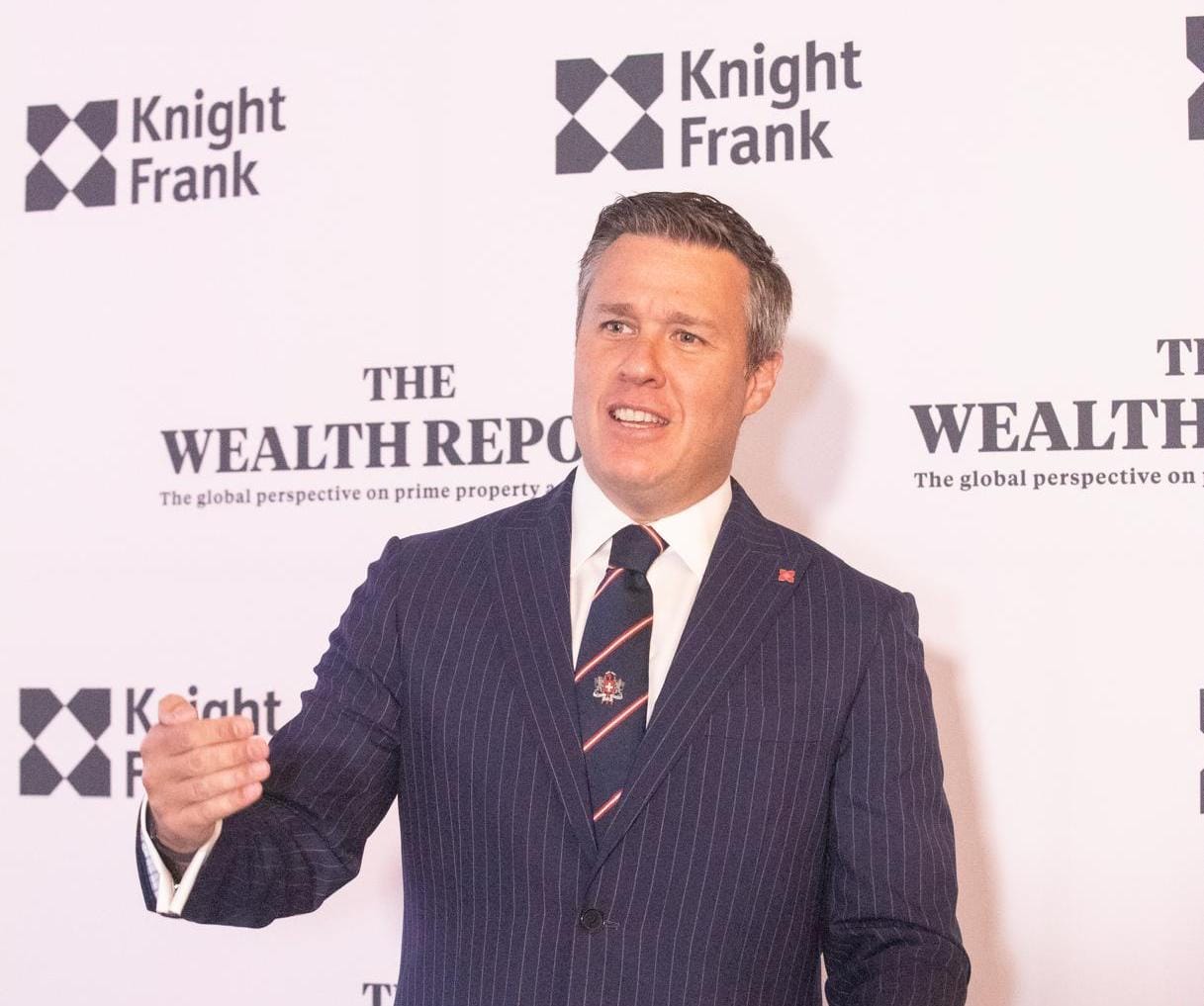
Mark Dunford, CEO Knight Frank Kenya stated that In global terms, Kenyan returns remain sharply ahead of the world average, and rising uncertainty in many global markets is only serving to heighten HNWIs’ interest in their home market.
“In 2024, a majority of HNWIs also made significant investments in improving the energy efficiency of their assets while simultaneously reducing their carbon footprint through lower car ownership and less air, What we are witnessing, in essence, is a transition from consumption to conservation, with a heightened focus on social and environmental gains”, said Mark Dunford, CEO Knight Frank Kenya.
Furthermore, the report identifies data centres as the leading investment priority for the HNWIs in 2025 followed by development land, together representing over 28 percent of first-choice investments other key areas of interest include farmland, hotel and leisure, logistics and industrial, and office spaces, with 83 percent of farmland investors focusing specifically on food production.
While commercial property remains a long-standing pillar of HNWIs’ investment and continues to attract capital, interest has softened, with 50 percent of wealth managers reporting that fewer than 10 percent of their clients plan to invest in this asset class in 2025.
“Overall, the wealthy’s measured approach and shift towards funds and revenue producing assets is fueling cautious optimism with almost half (48 percent of respondents) expecting a marginal increase in wealth in 2025 and 26 percent anticipating increases exceeding 10 percent”.