

Mental Health Experts Urge Collective Action to Combat Rising Youth Suicide in Africa
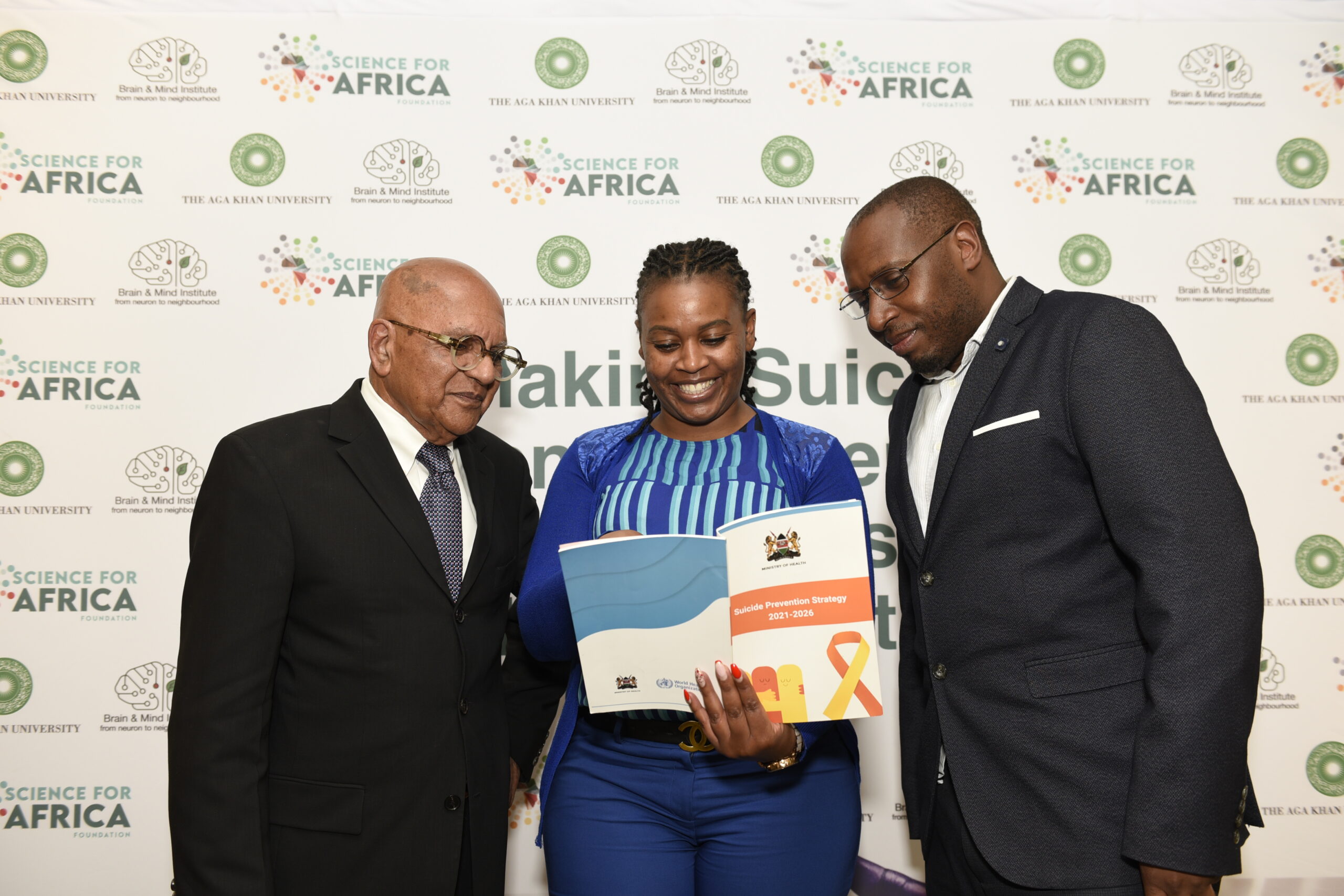
NAIROBI, Kenya, Oct 2 –Despite being an entirely preventable public health challenge, suicide is a shadow epidemic silently claiming young lives across Africa while the urgency is profound the response is crippled with progress continuously eroding by a triple threat of paralyzing stigma, critical lapses in public awareness and the pervasive scarcity of mental health services.
Themed “Making Suicide Prevention Everyone’s Business: Hope in Action.” The Agha Khan University’s Brain and Mind Institute (BMI) in collaboration with Science for Africa Foundation (SFA) hosted the Youth Suicide Prevention forum which explored how stigma continues to silence conversations around suicide, the need to reframe public narratives and strategies for expanding affordable, youth-friendly access to mental health services.
It brought together researchers, policymakers, youth leaders and individuals with lived experience to spotlight solutions and build a collective commitment to suicide prevention also reflected on Kenya’s milestone 2023 decision to decriminalize suicide, emphasizing the importance of sustained action to translate policy into meaningful impact. Speaking at the event,
Prof. Zul Merali, Founding Director of BMI, while speaking during the forum highlighted the societal dimension of suicide, noting: “When young people are silenced by stigma or denied access to affordable care, we all fail this forum is about creating safe spaces, amplifying youth voices, and building actionable pathways that save lives. Suicide prevention must become everyone’s business.”
With suicide ranking among the leading causes of death for adolescents and young adults globally, and young people in Sub-Saharan Africa facing increasing mental health risks due to unemployment, social pressures, and limited access to care, the forum underscored the urgency of coordinated action.
Additionally, the discussions also emphasized the need for stronger cross-sector collaboration, bringing together health systems, education, community structures and faith organizations to deliver integrated responses that can effectively prevent suicide and improve mental health outcomes.
Dr. Judy Omumbo, Head of Programmes at the Science for Africa Foundation, echoed this call for collaboration, adding: “Suicide prevention is a profound moral and social responsibility and not a marginal issue to be left to health systems alone It touches every part of society: families, schools, workplaces, faith communities, governments and local communities across Africa Preventing suicide must therefore be everyone’s business.”
Dr. Catherine Wanjiku, Psychiatrist, Mental Health Division, Ministry of Health while adding on policy highlighted government’s commitment to suicide prevention.
“The government has taken significant steps, including the decriminalization of suicide in Kenya, which marked a turning point in addressing this challenge, Through the Suicide Prevention Strategy 2021–2026, we are strengthening mental health policies, expanding community-based services, and integrating suicide prevention into national health strategies to ensure timely support reaches every young person in need”, She said.
Further, the forum was the inclusion of personal testimonies that brought the statistics to life and highlighted the importance of open dialogue with Stories of resilience and recovery illustrated how stigma often silences young people, but also how timely support, peer networks and safe spaces can foster healing and hope.
The Youth Suicide Prevention forum represented a critical step toward fostering collaborative, evidence-based, and community-driven approaches to suicide prevention in Kenya and across Africa.
By centering youth voices, strengthening policy responses and grounding solutions in evidence, the initiative aims to reduce stigma, improve access to care and inspire collective action that saves lives.