

SGU Spotlight: Navigating the Surge in Global Demand for Emergency Medicine Specialists
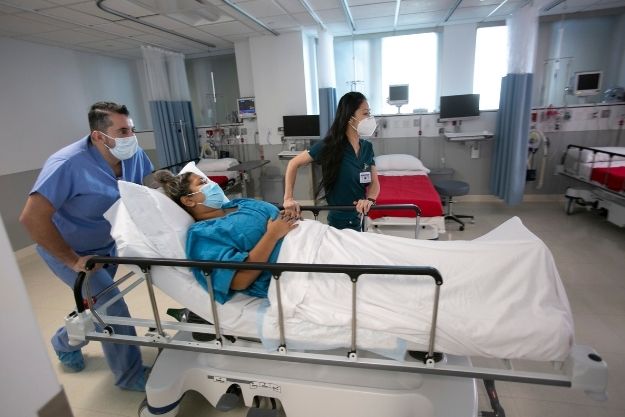
St George’s, Grenada, May 31 – As International Emergency Medicine Day approaches on May 27, St. George’s University School of Medicine (SGU) is spotlighting the pivotal role of emergency physicians as the backbone of global health systems.
In an era of increasing healthcare volatility, SGU emphasizes that these specialists are no longer just frontline responders, but essential architects of hospital efficiency and patient safety within high-stakes, time-sensitive environments across the globe.
As healthcare systems continue to evolve across the Africa and globally, emergency medicine is increasingly being recognized as one of the most critical frontline specialties in modern healthcare.
Often described as the “ultimate medical generalist” emergency medicine is one of healthcare’s most dynamic specialties, requiring physicians to rapidly assess, diagnose and treat a wide range of conditions from trauma and cardiac emergencies to acute illnesses and mental health crises.
Across the continent, emergency medical specialists are emerging as healthcare systems face rising pressure from population growth, road traffic injuries, infectious disease outbreaks, and gaps in emergency care capacity.
The African Development Bank’s Strategy for Quality Health Infrastructure in Africa 2022–2030 highlights the need to address health infrastructure deficits across the continent, while WHO notes that emergency care is essential for delivering timely care for acute illness and injury.
At the same time, healthcare experts continue to stress the need to strengthen emergency care systems across Africa.
A recent review published in the African Journal of Emergency Medicine notes that emergency medical services coverage remains uneven across the continent, with earlier studies estimating that less than 10% of Africa’s population had access to formal EMS systems.
The review highlights ongoing shortages in ambulances, trained personnel, and emergency response infrastructure across many African countries, reinforcing the critical role emergency medicine professionals continue to play in improving rapid-response care and patient outcomes.
Unlike many other medical specialties, no two days in emergency medicine are the same. Physicians are often required to make critical decisions under pressure while caring for patients from all backgrounds and age groups.
“You never know what you’re going to get. You see young patients, you see old patients from every walk of life, every background. I love it,” says Dr. Jessica Best, who graduated from SGU in 2012 and is currently an emergency medicine physician.
While the profession is known for its impact and fast-paced nature, it is also recognized as one of the most emotionally and physically demanding fields in healthcare, Long shifts, high patient volumes, and exposure to trauma require physicians to develop resilience, adaptabilityand strong decision-making skills.
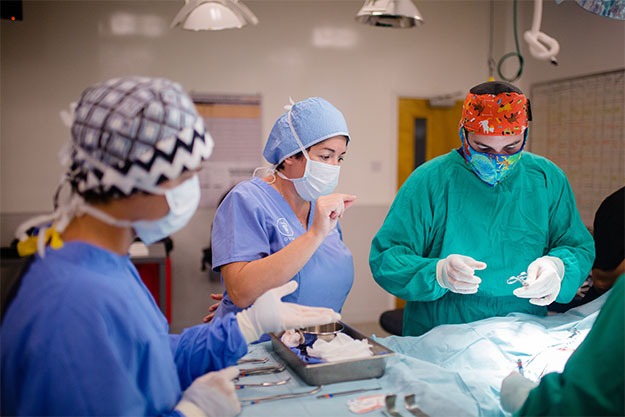
Additionally, for students considering the specialty, emergency medicine offers broad clinical exposure, teamwork-driven environments and opportunities to work at the forefront of healthcare innovation, including telemedicine, simulation-based learning and emergency preparedness.
The field also allows physicians to make an immediate and meaningful impact on patient care during some of the most critical moments in people’s lives.
Further, Medical institutions play an important role in preparing the next generation of emergency medicine professionals through multidisciplinary education, clinical training and exposure to diverse healthcare environments..
Through its network of affiliated hospitals and health centers across the United States and United Kingdom, St. George’s University provides students with hands-on clinical experience in real-world healthcare settings while helping build the adaptability and clinical confidence required in emergency medicine.
As healthcare resilience and rapid-response capability become increasingly important across Africa and globally, emergency medicine is expected to remain a vital and future-focused specialty.
The field will continue to play a central role in strengthening urgent care, trauma response, and the ability of health systems to respond effectively during some of the most critical moments in patient care.