Uchaguzi Bila Noma: NCIC Takes 2027 Electoral Peace Drive to Counties

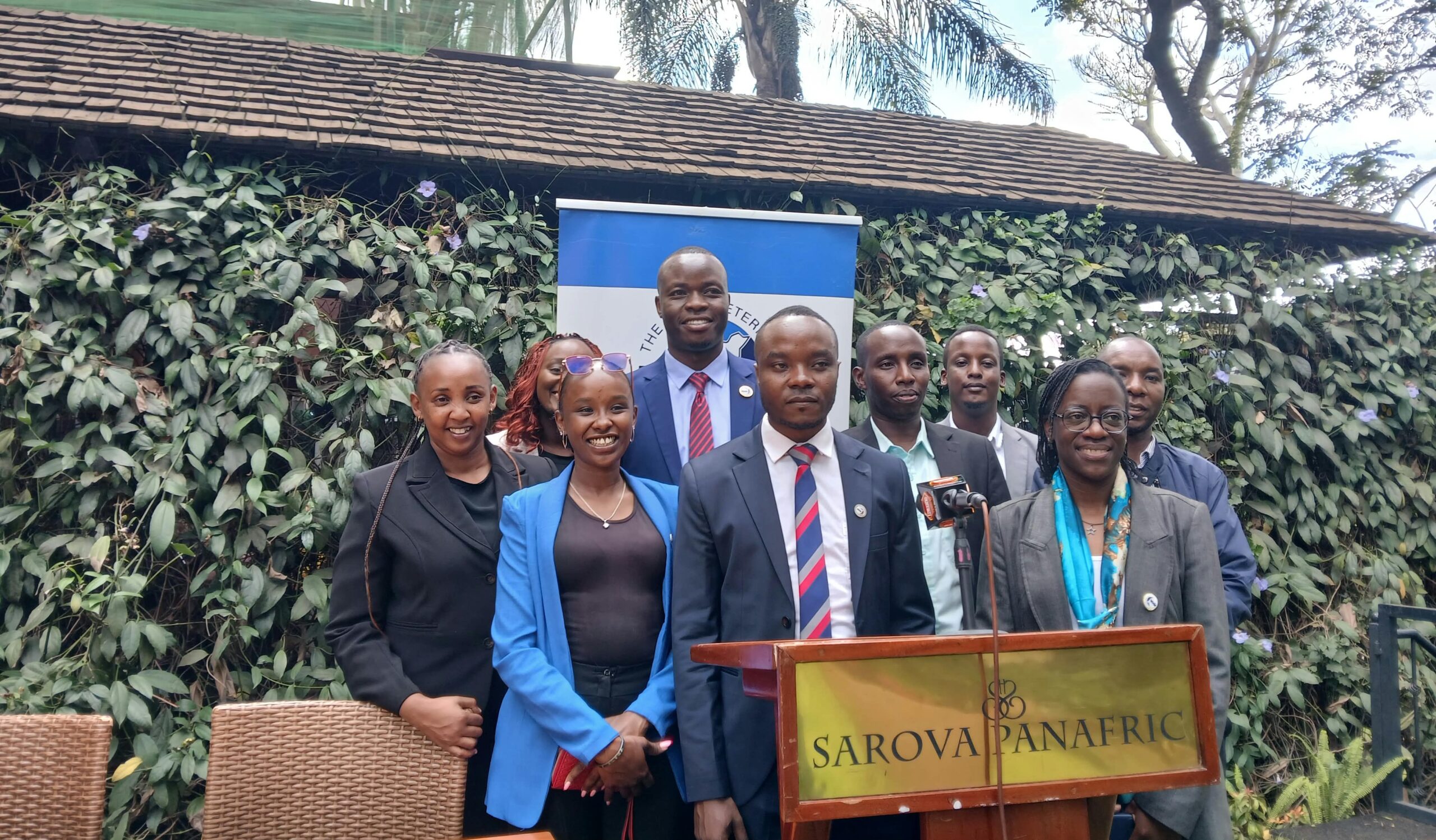
NAIROBI, Kenya, Oct 6 – The National Cohesion and Integration Commission (NCIC), in partnership with the United Nations Development Programme (UNDP) and the Korea International Cooperation Agency (KOICA), convened a two-day sensitization forum in Nairobi for the second edition of the Roadmap to a Peaceful 2027 General Election.
Dubbed “Uchaguzi Bila Noma” (Elections Without Trouble), the national campaign aims to expand peacebuilding strategies to the county level, curb hate speech, counter political intolerance, and foster issue-based political engagement across Kenya.
The Nairobi forum brings together a diverse group of key stakeholders, including county government leadership, security agencies, the County Peace Committee, political party representatives, religious and cultural figures, youth and women leaders, media practitioners, and civil society organizations.
Deliberations centered on cascading the national framework, refining conflict early warning and early response (EWER) mechanisms, preventing violent extremism, and curbing political incitement.
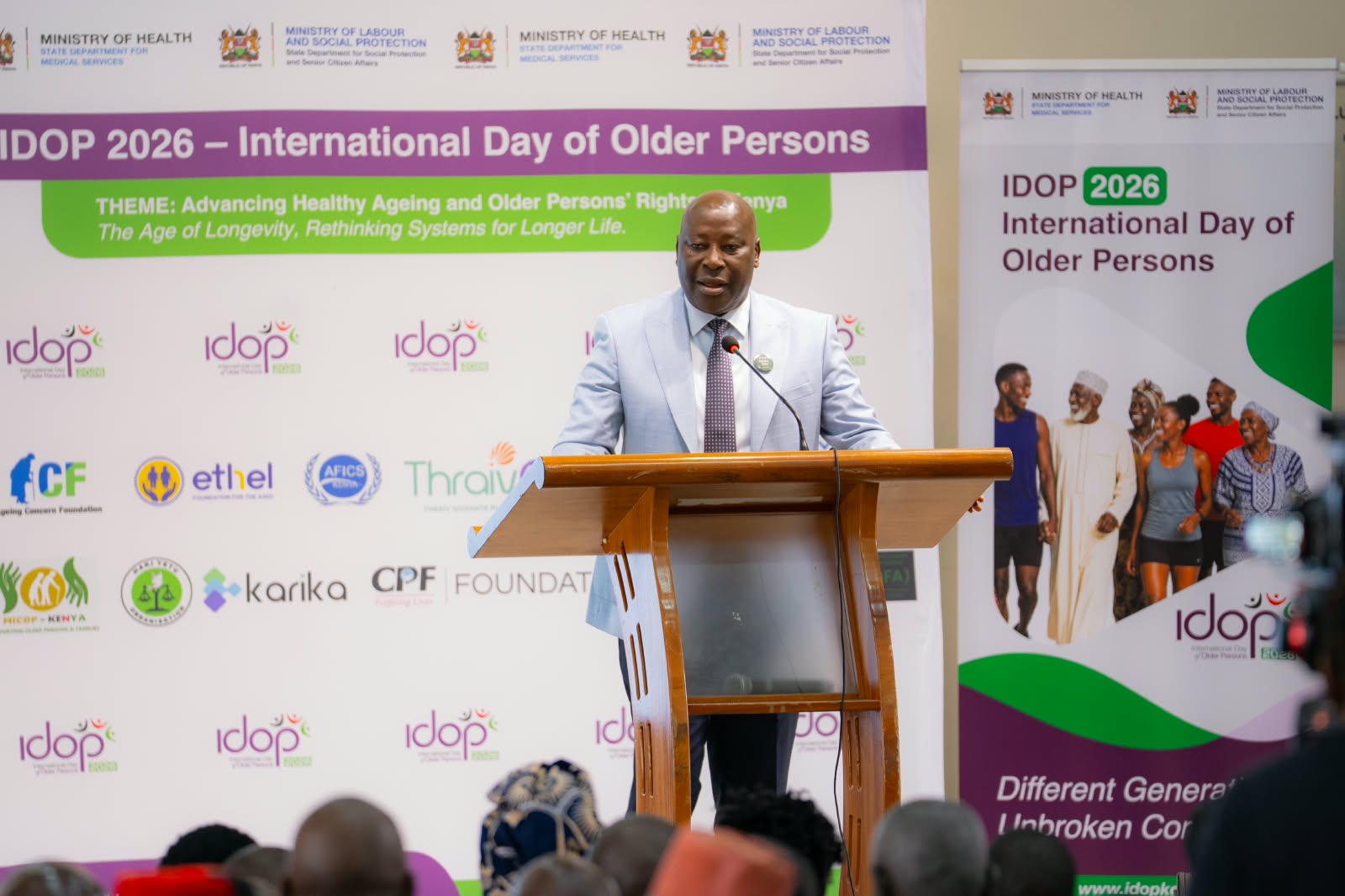
NCIC Commissioner Hon Jackson Swadi Kedogo while opening the forum emphasized that the outreach aims to foster active citizen participation.
“This is an engagement to bring everyone on board and ensure each person contributes to how we will deliver a free, peaceful election in 2027,” Kedogo stated, highlighting that public buy-in is vital for national cohesion ahead of the polls.
Responding to widespread public criticism that the peace agency has been slow to discipline politicians who make inflammatory remarks, Kedogo pushed back against perceptions of complacency or partisan bias.
He clarified that while the public frequently demands swift arrests, the NCIC operates strictly within the framework of the NCI Act and Kenyan law rather than yielding to public pressure or “mob justice.”
Kedogo reiterated that the commission’s primary constitutional mandate is to foster national unity, integration, and sustainable peace not merely to execute arbitrary arrests affirming that the body acts impartially against any actor threatening public order.
NCIC Director of Research and Knowledge Management Millicent Okatch emphasized that Kenya’s past cycles of electoral violence underscore the urgent need to address systemic vulnerabilities early. Nairobi is the third stop in an eight-county rollout, following initial engagements in Busia and Taita Taveta.
According to Okatch, addressing key systemic roadblocks including deep-seated trust issues, political intolerance, divisive rhetoric, and organized criminal gangs is critical to preventing electoral unrest.
She highlighted the vulnerability of young people to political manipulation, stressing the importance of engaging youth organizations to transform young citizens from potential perpetrators of violence into active peace ambassadors.
Subsequent peace drives are planned for Laikipia, Kisumu, Kilifi, Marsabit, Isiolo, and Mombasa.
Ms Jescah Otieno, NCIC Deputy Director of Research warned that five converging threats could derail the 2027 elections if left unaddressed:Trust Deficit: Plummeting public confidence in electoral management bodies and state duty bearers.
Political Intolerance: Premature campaigning, political zoning narratives, rising hate speech, ethnic mobilization, and organized political goonism.
Youth Vulnerability: High youth unemployment rates, social volatility, erosion of civic ethics, and the manipulation of young people into political mercenaries.
Negative Use of Digital Technologies: The proliferation of social media disinformation, malinformation, AI-generated deepfakes, and the weaponization of online platforms.
Entrenched Culture of Violence: Normalization of violent conflict resolution, citizens taking the law into their own hands, and the escalation of pre-existing land or boundary disputes.However, NCIC has designed five targeted strategies that directly confront each roadblock while building a resilient electoral environment for pea
Trust Building: Trust Building that seeks to repair the invisible infrastructure Of peace through listening forums between youth and duty transgenerational symposia with vulnerable wnstituencies, and capacity building for key stakeholders including the police, and Other duty bearers to institutionalise cohesion
Responsible Leadership: That aims to transform political culture by disrupting zoning narratives, monitoring and hate speech regardless of perpetrator stature, sensitising actors and media on conflict-sensitive activating the Peace and Accountability Charter for all aspirants, and deploying strategic name-and-shame mechanisms.
Youth Engagement: Youth Engagement recognises young people as decisive determinants of electoral Through co-created youth ambassador programs, sociallistening via digital platforms, and genuine partnership rather than tokenism.
The strategy seeks to channel youth energy toward constructive civic participation through revamping Amani Clubs to embed national values in education, culture, and religious settings.
Digital Hygiene: Digital Hygiene confronts the online manipulation Of users to violence by advocating non-violent engaging trusted influencers across TikTok, Instagram, Facebook), X, and WhatsApp and providing digital ambassadors with evidence-based toolkits, fact-checking and rapid-response capacities.
Conflict Disruption: Conflict Disruption rejects reactive approaches in favor of proactive intervention through early waming structures, nationwide mapping, placement of monitors, civic to build resistance against elite manipulation, inter-sectoral collaboration with religious and community leaders, and comprehensive analysis to institutionalise leaming.
Further, The Office of the Registrar of Political Parties (ORPP) reiterated that achieving peaceful elections extends far beyond election day itself, warning that the foundation for non-violent political competition lies within the internal operations of political parties.
Speaking on the critical role political parties play in fostering national stability, ORPP representative Lucy Kemunto emphasized that party culture and governance directly dictate whether elections remain peaceful or devolve into conflict.
”We recognize that peaceful elections are determined not only on election day, but throughout how political parties are organized and how they carry out their activities from their internal processes to how they conduct party nominations and engage political leaders,” Kemunto stated.
ORPP called on political party leadership and their supporters to adhere strictly to constitutional provisions, promote peaceful participation, and guarantee the meaningful inclusion of special interest groups across all political activities.
Kemunto stressed that ensuring peaceful elections requires a multi-stakeholder framework, noting that no single institution can deliver a seamless electoral process alone.
She urged the public and oversight bodies to hold political actors accountable to established legal standards.
”As ORPP, we remain committed to working with all stakeholders involved in the electoral cycle. It is important that we work towards an election where political competition remains just political competition and not a competition that leads to violence within our country. It should be a competition of issues, ideas, policies, and leadership choices,” she concluded.