
State and Clergy Unite for Grassroots Economic Oversight through ‘Gumzo la Uchumi Mashinani’
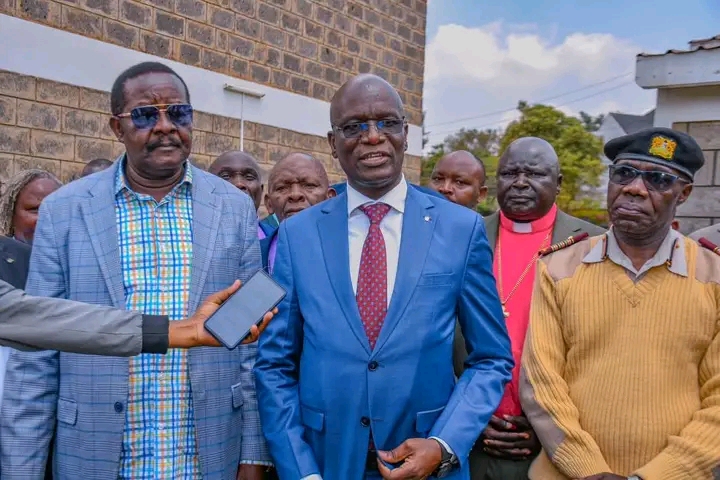
PHOTO: Principal Secretary for Economic Planning Dr. Boniface Makokha addressing media during Brethren to Brethren’ Prayer breakfast at Pac University, Nairobi.
NAIROBI, Kenya, July 9 – The Government has intensified its localized public accountability drive by on boarding inter-denominational religious leaders to spearhead citizen monitoring of national development projects.
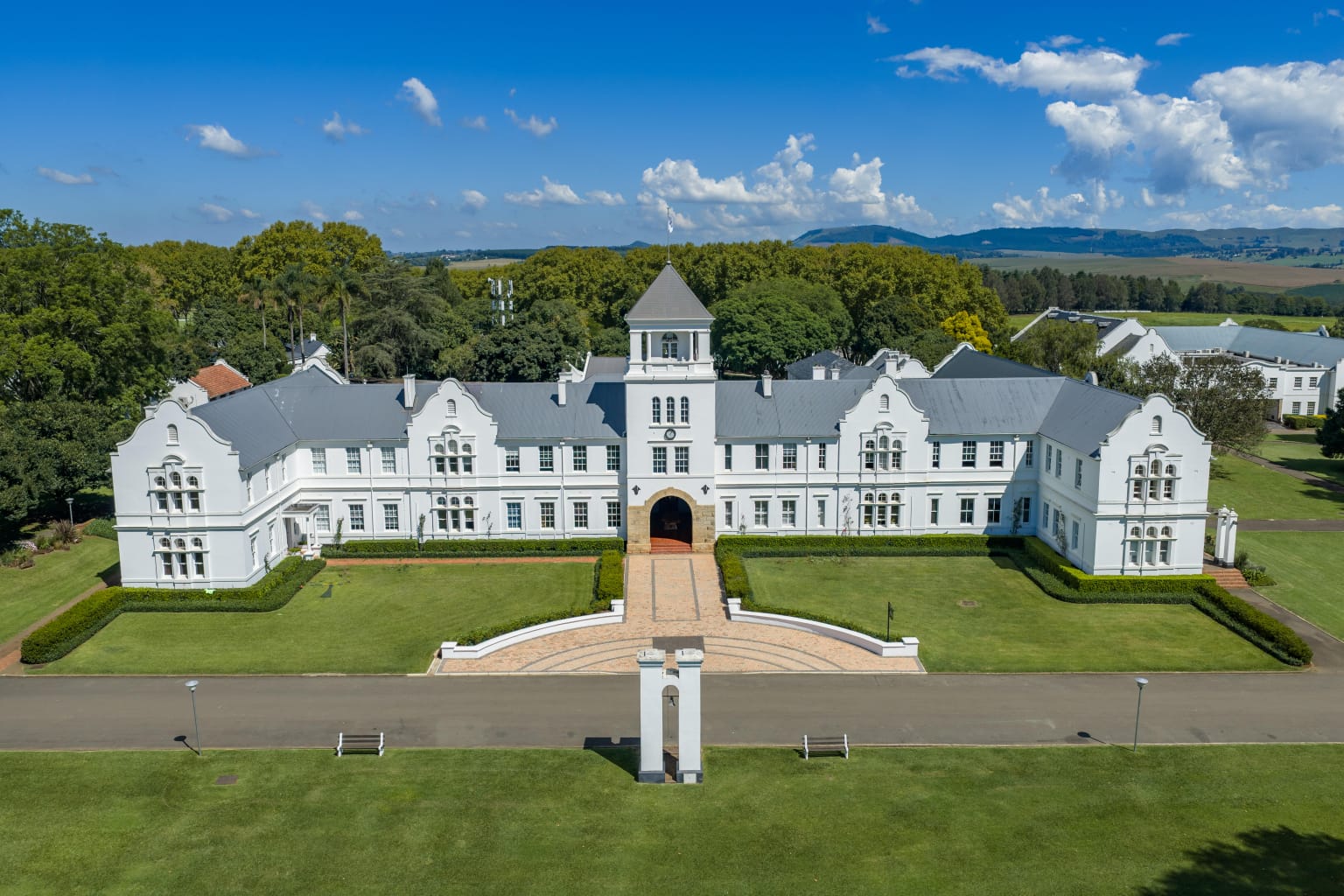
In a strategic push aimed at decentralizing oversight, the State Department for Economic Planning on July 8 2026 convened the ‘Brethren to Brethren’ Prayer breakfast at the Pan Africa Christian University (PAC University) in Nairobi, Kasarani Constituency.
Themed, “Faith that Builds, Measures and Leaves a Legacy,” the forum brought together diverse religious leaders from across Kasarani, with a primary objective to forge collaborative frameworks that promote grassroots civic participation, foster community-driven development and cultivate an inclusive, values-driven economic transformation.
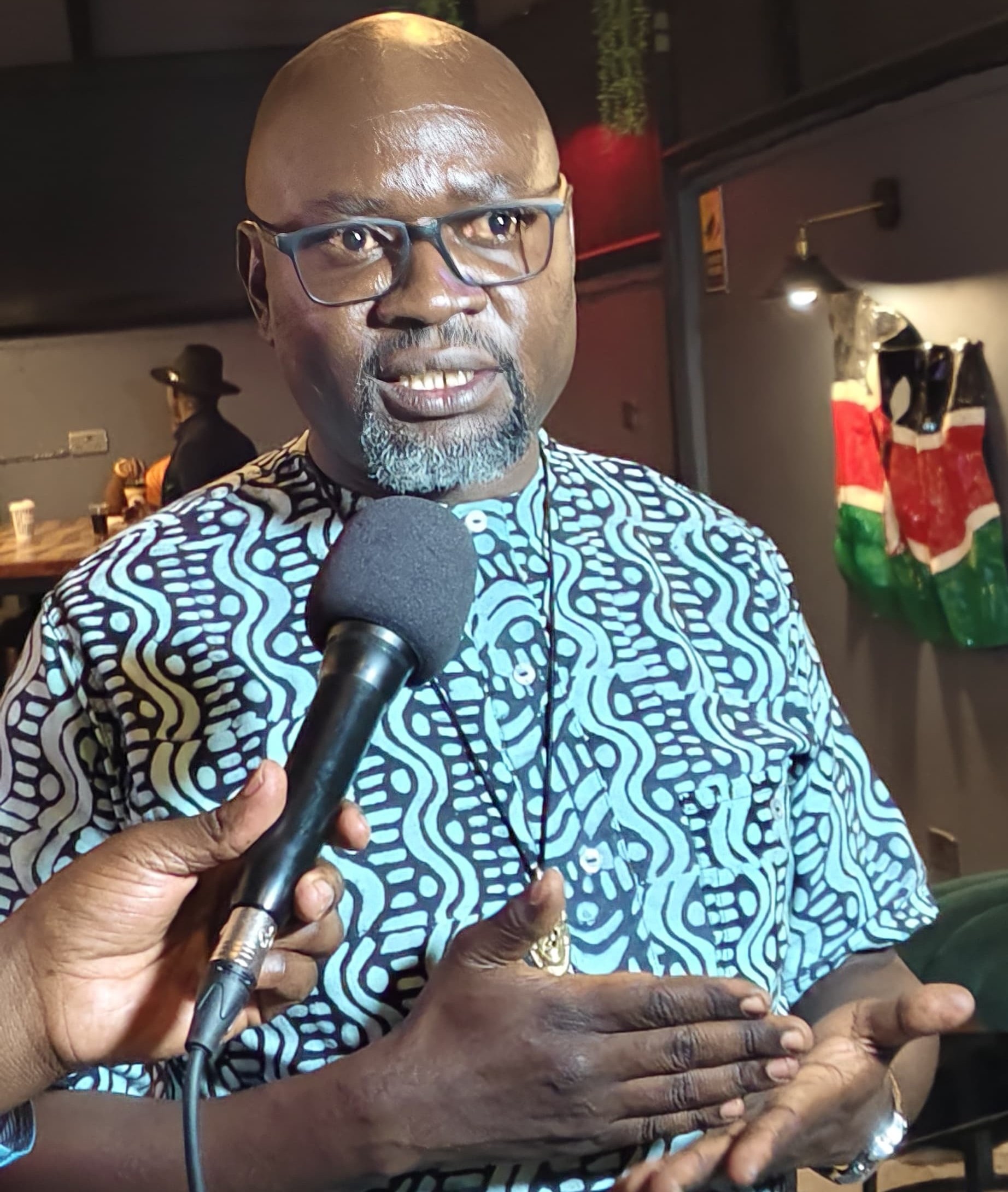
Presiding over the forum, State Department for Economic Planning Principal Secretary Dr. Bonface Makokha underscored the indispensable influence of the clergy in driving the ongoing Grassroots Economic Dialogues, structurally known as ‘Gumzo la Uchumi Mashinani.’
This national dialogue series serves as an open public arena, allowing ordinary citizens (the Common Mwananchi) to directly assess, critique and track the baseline progress of the five core pillars of the Bottom-Up Economic Transformation Agenda (BETA).
Reaffirming the executive’s policy direction, PS Makokha noted that the state is dedicated to an evidence-based approach to civic participation, ensuring localized views systematically influence national macroeconomic plans.
“Wisdom is not merely a personal virtue; it is God’s chosen catalyst for systemic change,” PS Makokha stated, reminding the gathering that humanity bears a divine mandate to work diligently and manage local resources faithfully.
To move beyond theoretical planning, the Principal Secretary challenged faith leaders to adopt a holistic model of stewardship, urging the clergy to ground their sermons and community programs in four critical pillars;
Stewardship of Families: Rebuilding the basic social and moral fabric to sustain a productive society.
Stewardship of Life: Promoting communal well-being, healthcare awareness, and personal safety.
Stewardship of Knowledge and Innovation: Nurturing young talent and preparing responsible future citizens capable of steering the modern economy.
Stewardship of National Resources: Vigilantly guarding public infrastructure and development funds allocated to their respective areas.
“We are taking the conversation from government boardrooms to the grassroots to demystify economic planning, budgeting and public participation so that wananchi can understand and contribute to government policies,” he said.
Dr. Makokha further noted that the initiative is anchored on the Constitution, which guarantees public participation, noting that priorities raised at the grassroots would inform government plans and ultimately influence budget allocations.
“If the voice of wananchi does not find its way into the plan, it will not find its way into the budget. Anything that is not planned cannot be budgeted for, and if it is not budgeted for, it cannot be implemented,” added Dr. Makokha.
Further, similar engagements have been conducted in Migori, Kakamega, Uasin Gishu, Kiambu, Kajiado, Busia, Kisumu, Taita Taveta and Meru counties, where wananchi have consistently called for more information about government programmes to counter misinformation and disinformation.
The feedback collected from each county would be documented in resolution charters to guide policy formulation, budgeting and the review of Vision 2030 as the country develops a new long-term development blueprint.
Echoing these remarks, Devolution Principal Secretary Michael Lenasalon emphasized that because spiritual leaders command high public trust and hold extensive grassroots networks, they are uniquely positioned to bridge the gap between state directives and real-world implementation.
“Faith leaders remain indispensable partners in advancing Kenya’s development due to their strong reach and moral authority,” Lenasalon noted.
He further called upon the clergy to foster national unity and peace through prayer, creating a stable environment where transformative socio-economic progress can take root.
Nairobi North Deputy County Commissioner Simon Osumba welcomed the initiative, insisting that closer collaboration between the government, the church and community groups would strengthen security, public participation and youth empowerment.
Through these combined community networks, religious groups are expected to act as centers for public information, empowering everyday citizens to voice their economic needs without bureaucratic interference and actively participate in advancing the Country’s development agenda.
The forum concluded with a resounding, collaborative declaration from the attending clergy, pledging to harmonize spiritual stewardship with civic development: “Let us change Society; Let us support the Government’s projects.”