

EACC Warns Religious Leaders Against Legitimizing Corrupt Campaign Funds
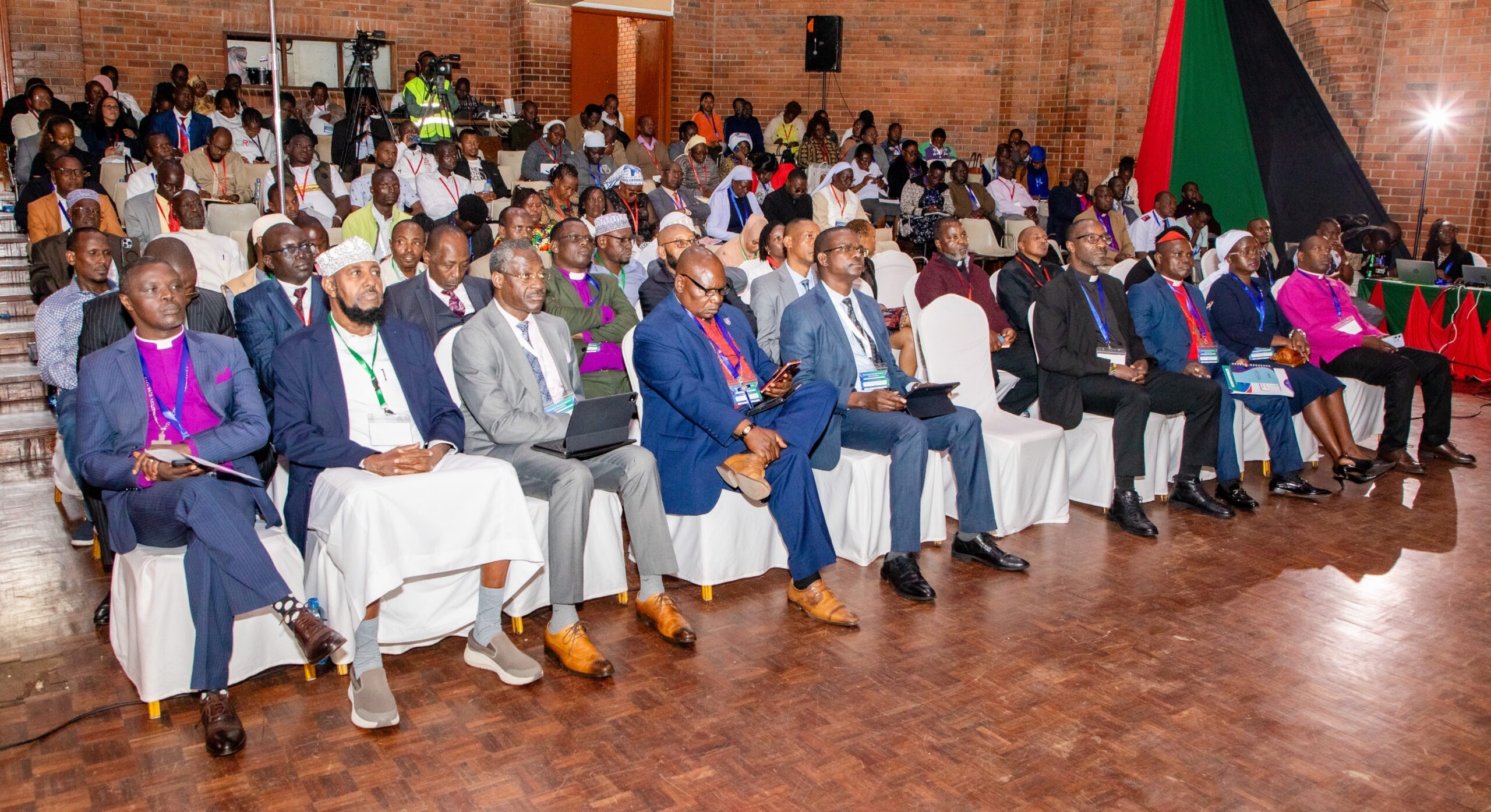
NAIROBI, Kenya, Sep 2 – Ethics and Anti-Corruption Commission (EACC) has issued a stern warning to religious leaders across the country against accepting or legitimizing illicit funds from politicians as preparations for the 2027 General Election intensify.
Speaking at the National Stakeholders’ Convention held at Ufungamano House in Nairobi, EACC Chairperson Dr. David Oginde cautioned faith leaders that accepting unexplained wealth risks turning sacred institutions into conduits for money laundering and corruption.
Addressing delegates on “Corruption and Politics in Kenya: How Illicit Money Drives Democracy and Viable Mitigations,” Oginde stressed that campaign financing rooted in corruption directly undermines the nation’s democratic governance.
“There is no way we are going to build a society of integrity if we are beneficiaries of illicit resources,” Oginde warned.
The high-level convention brought together key faith organizations, including representatives from the National Council of Churches of Kenya (NCCK), the Kenya Conference of Catholic Bishops (KCCB), and the Supreme Council of Kenya Muslims (SUPKEM).
Oginde explained the cycle of corruption that stems from questionable political funding, noting that politicians who finance their campaigns through money laundering, embezzlement, or unexplained wealth face immense pressure once in power.
Once elected, such leaders often resort to manipulating public procurement processes and inflating government supply contracts to repay the financiers who bankrolled their bids.
The EACC chairperson expressed deep concern that political campaigns are increasingly being judged by a candidate’s financial strength rather than their character, leadership qualities, or vision.
Key risks highlighted during the convention include: Unfair Electoral Advantage: Unexplained wealth allows corrupt candidates to outspend competitors who rely on legitimate funding, distorting democratic competition.
Voter Disenfranchisement: Excessive spending prevents voters from electing leaders based on merit, principles, and public service track records.
Normalisation of Graft: When places of worship accept donations without probing their origins, it sends a signal to the public that dirty money is acceptable.
The EACC’s warning comes amid rising political activity nationwide, with politicians spending large sums of cash during weekend rallies and turning church services into campaign platforms.
The Ufungamano House convention forms part of broader efforts by civic and religious stakeholders to protect the integrity of the 2027 electoral cycle.
Participants discussed actionable strategies to eliminate corruption risks, promote peaceful civic participation, and ensure campaign finance accountability long before voters go to the polls.
Oginde concluded by urging faith leaders to act as guardians of public morality, reiterating that safeguarding election credibility requires rejecting financial inducements that compromise institutional integrity.