Mogo, BAK Partner to Empower Over 800 Narok Boda Boda Operators Financially
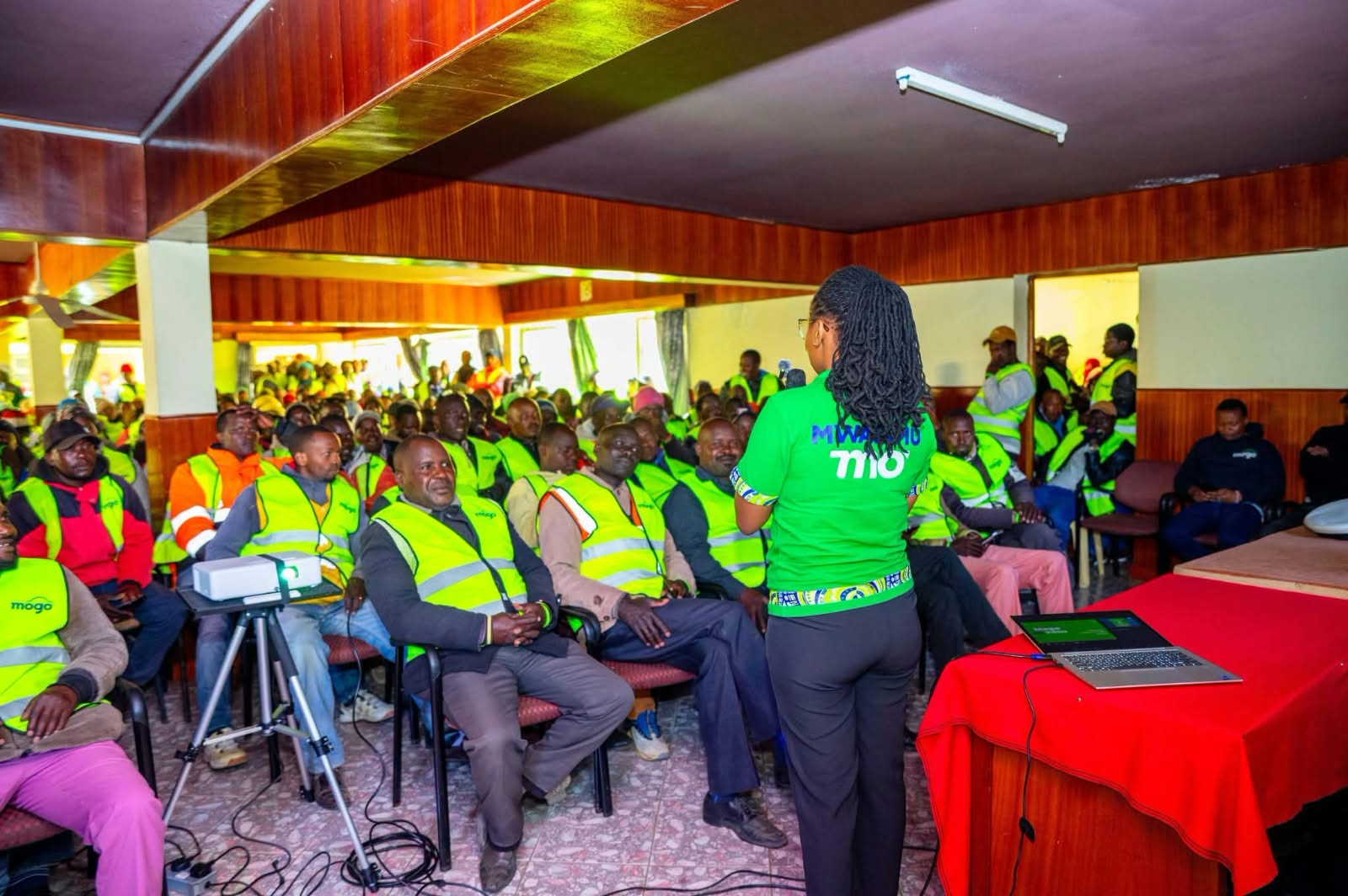
NAROK, Kenya, Sep 30 – Over 800 boda boda riders in Narok County received financial literacy training today aimed at helping them manage their daily earnings, meet loan obligations, and safeguard their main source of income.
The workshop, organized by digital credit provider Mogo Kenya in partnership with the Boda Boda Association of Kenya (BAK), focuses on core money management skills including budgeting, cash-flow control, reading loan agreements and scheduling repayments.
The Narok session is part of a broader nationwide campaign by Mogo and BAK that has already trained operators across counties in Nyanza, Mt. Kenya, Western, Eastern and Rift Valley regions.
For most operators, a motorcycle is not just transport it is a mobile business that pays for food, rent, and school fees.
According to industry estimates, 68.4% of the roughly 2.4 million motorcycles in Kenya are financed through digital and asset-based loans, making debt management vital to keeping riders on the road.
During the training, facilitators urged riders to contact their lenders immediately if they run into financial distress rather than letting missed payments pile up.
”Behind every motorcycle we finance is a person who depends on that motorcycle to earn a living,” said Sheila Wangari, Events and Community Manager at Mogo.
“Understanding the cost of credit, managing daily income, and planning for repayments can make a significant difference in keeping the motorcycle productive and the rider financially stable.”Wangari added that borrowers should view lenders as partners.
“When a rider experiences a difficult month, the most important thing is not to remain silent. Speaking to the financier early creates an opportunity to understand available options before a temporary setback becomes a bigger problem.”
The drive comes at a challenging time for Kenyan borrowers. Central Bank of Kenya (CBK) data shows the banking sector’s gross non-performing loan (NPL) ratio reached 15.6% in March 2026, underscoring widespread economic pressure.
Despite these headwinds, the boda boda industry remains an economic engine, generating roughly KES 660 billion annually, supporting over 2.5 million jobs, and contributing 4.4% to Kenya’s GDP.
BAK President Kevin Mubadi emphasized that training helps protect families dependent on the sector.
“Our members depend on their motorcycles every day to earn a living,” Mubadi noted. “It is therefore important that they understand the financial commitments that come with motorcycle ownership and know what steps to take when they encounter difficulties.”
The Chairman of the Narok County Boda Boda Association noted that because riders collect and spend cash on a daily basis, structured planning is essential.
“A boda boda rider earns and spends money every day, so without proper planning, it is easy to use money meant for a loan repayment on other immediate needs,” he said.
“Training like this helps our members set aside money for obligations while still providing for their families.”
He said riders also needed to understand their loan terms before taking financing and maintain communication with their financiers whenever they experienced challenges.
“Most riders want to keep working and paying their loans. What is important is having the knowledge to manage the business properly and seeking guidance early when income is affected,” he said.
Mogo Kenya and BAK plan to expand the training program to additional counties to build long-term financial stability across the sector.