

Severe Shortage of Neonatal Nurses Undermine Quality of Newborn Care in Kenya Despite Technological Advancement
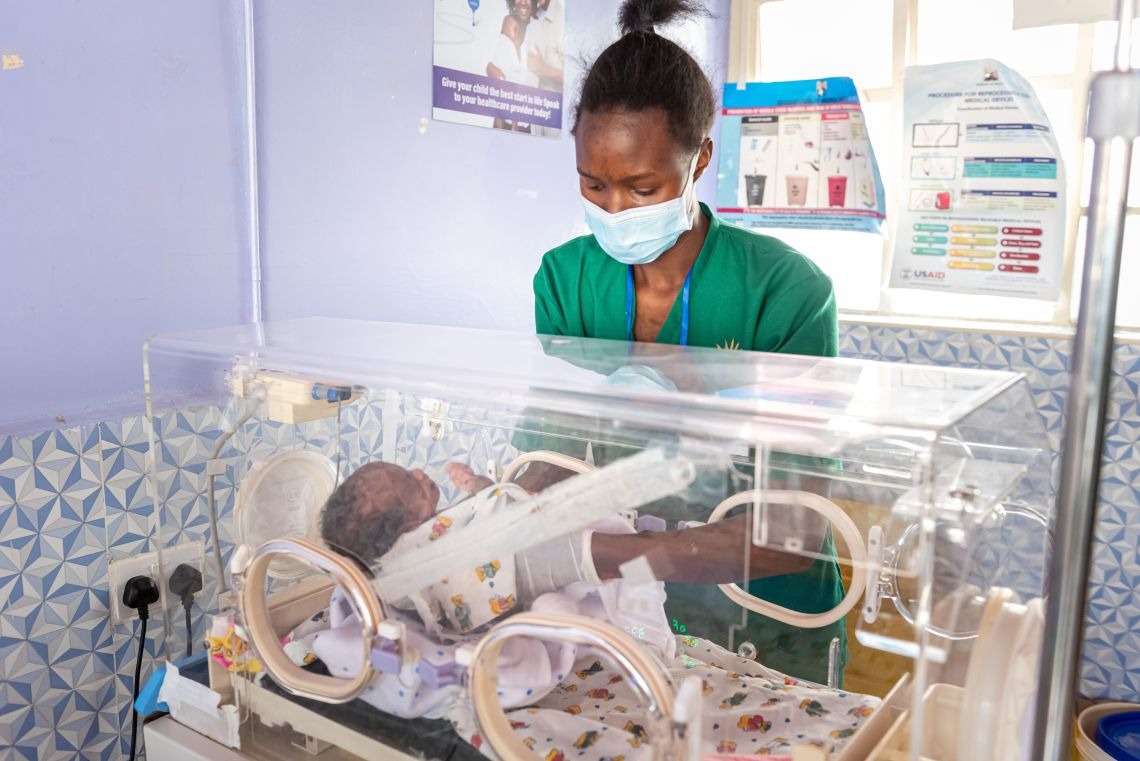
NAIROBI, Kenya, Aug 16 – A Multi-disciplinary study Harnessing Innovation in Global Health for Quality Care (HIGH-Q) has revealed how workforce issues influence the quality of care in newborn units (NBUs).
The research highlighted that despite global progress in reducing child mortality, neonatal mortality remains persistently high in sub-Saharan Africa and many countries, including Kenya are striving to meet the Sustainable Development Goal target of reducing neonatal deaths.
The effect of severe nurse staffing shortages in Kenyan hospitals as a major obstacle to providing quality care for newborns, different interventions may be needed to improve neonatal care but introducing better medical technologies to ‘upgrade’ hospitals has received special attention.
Whilst better technologies can improve neonatal care, a key factor in their successful use are nurses who provide care for sick babies’ 24 hours every day they are in hospital.
Nurses remain the primary providers of essential care for sick and premature newborns, responsible for monitoring, feeding, administering medication, hygiene and emergency interventions.
However, in low- resourced settings like Kenya, severe nurse shortages and high patient loads adversely affect the delivery of this care.
The HIGH-Q project undertook studies to investigate the effect of severe staff shortages on the care for sick babies, It went on to study how interventions involving the introduction of extra nurses and introducing a cadre of staff referred to as ward assistants to support the nurses in the provision of noncritical care, might improve the care provided to sick babies.
Additional studies explored whether targeted training on nurses’ communication skills might improve care.
The HIGH Q project, which is funded by the NIHR, involved 8 County Hospitals which are part of the Clinical information network, where the Newborn Essential Solutions and Technologies (NEST 360°) Programme intervention had been implemented.
The project, which used Ethnographic and observational research, also explored the everyday experiences of nurses, the physical environment of NBUs and mothers’ experiences within these settings.
Key findings from the research indicate: Missed Care: Sick newborns in Kenya’s public hospitals receive only a fraction of the nursing care they need, highlighting critical gaps in staffing, resource allocation and care delivery.
In public hospitals, nurses only had time to deliver one third of the expected care, with some caring for over 25 babies per shift.
Time Constraints: Nurses had an average of just 30 minutes per baby per 12-hour shift—far below international standards.
Emotional Toll on mothers: Mothers reported high levels of stress, stigma, and confusion due to poor communication and lack of support, due to the high nursing workloads which left no time for nurses to engage with mothers and care givers.
Stress and burnout for nurses: The expectation to reassure, support, and empathize with distressed parents while working under extreme pressure contributed to high levels of stress and burnout.
Due to these high levels of stress, nurses felt overwhelmed and exhausted, leading to emotional problems for some nurses with some withdrawing and providing only the minimum care and communication.
Poor layout and organization: Overcrowded wards, repurposed buildings, and lack of private areas forced staff and families to improvise, compromising hygiene, safety, and emotional well-being, making an already difficult situation worse hindering care, communication, and dignity for both nurses and mothers.
Prof. Mike English, Principal Investigator of the study, highlighted that the findings reveal a major barrier to improving neonatal care in Kenya and similar settings.
“For the first time we have a detailed understanding of the challenges faced by nurses and the effects of very high workloads on their ability to care for sick newborns and more broadly the detrimental effects on nurses themselves, nurses’ ability to carefully use new equipment, and on mothers and families. Put simply it will be hard to advance quality of care to the level we all want to see without improving nurse staffing and the wards in which doctors, nurses and mothers must all work together to provide good quality care”, stated Prof Mike.
The study piloted three key interventions: Additional Nurses: This led to a modest improvement in care time and teamwork, but staffing remained far below safe levels.
Ward Assistants: Ward assistants were introduced to support the nurses in carrying out more basic, routine newborn care activities. Further this improved overall ward cleanliness and waste disposal, highlighting the potential for enhanced infection control and helped provide support to mothers facing the distress of having a sick baby.
Communication Training: This intervention sought to strengthen communication and emotional competence to enhance care Nurses improved their self-awareness and were more conscious of their communication behaviors with important impacts on colleagues, parents and overall patient care.
The HIGH-Q project recommends structural changes to improve neonatal care and reduce missed care in resource-limited settings which include Substantially increase nurse staffing in neonatal units.
Redesign of hospital layouts to support efficient, respectful care.Institutionalizing ward assistant roles to support, overburdened nurses.
Integrate communication and emotional competence training into routine practice.
KEMRI Director General, Prof. Elijah Songok acknowledged the importance of this study and its critical contribution to strengthening health systems.
“This study is a wake-up call, Workforce development is central to building a resilient health system We hope these findings will guide efforts in strengthening our workforce, improving hospital environments and ensuring every newborn receives the quality care they deserve.”