
Kenya Unveils National Gender Agenda to Drive Evidence-Based Policy and Bridge Disparity Gaps
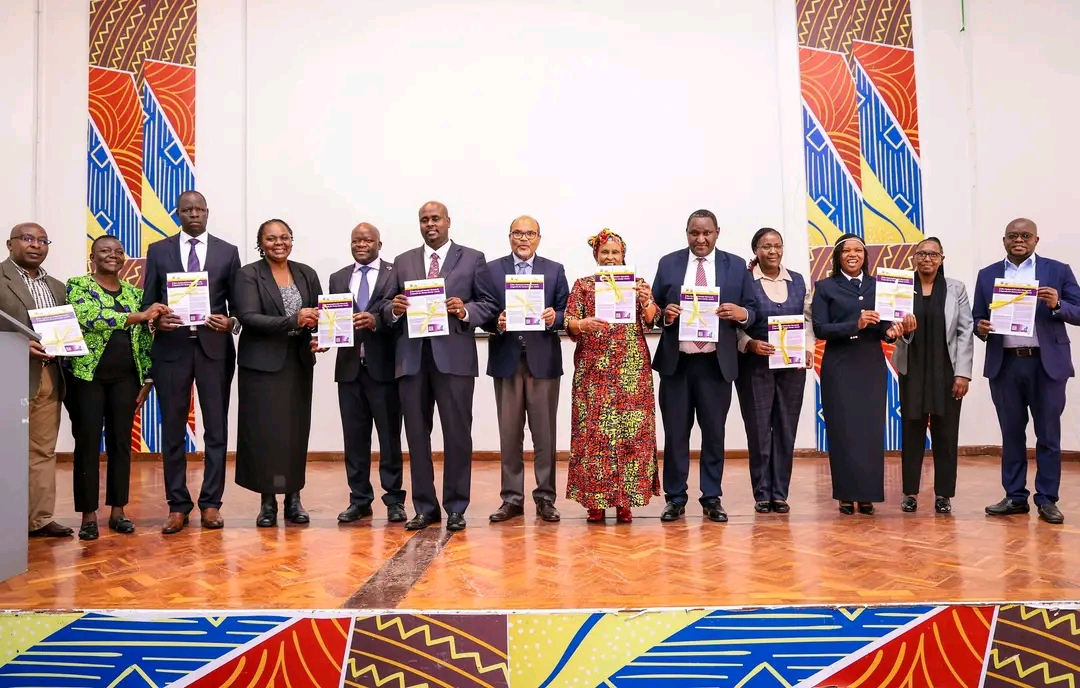
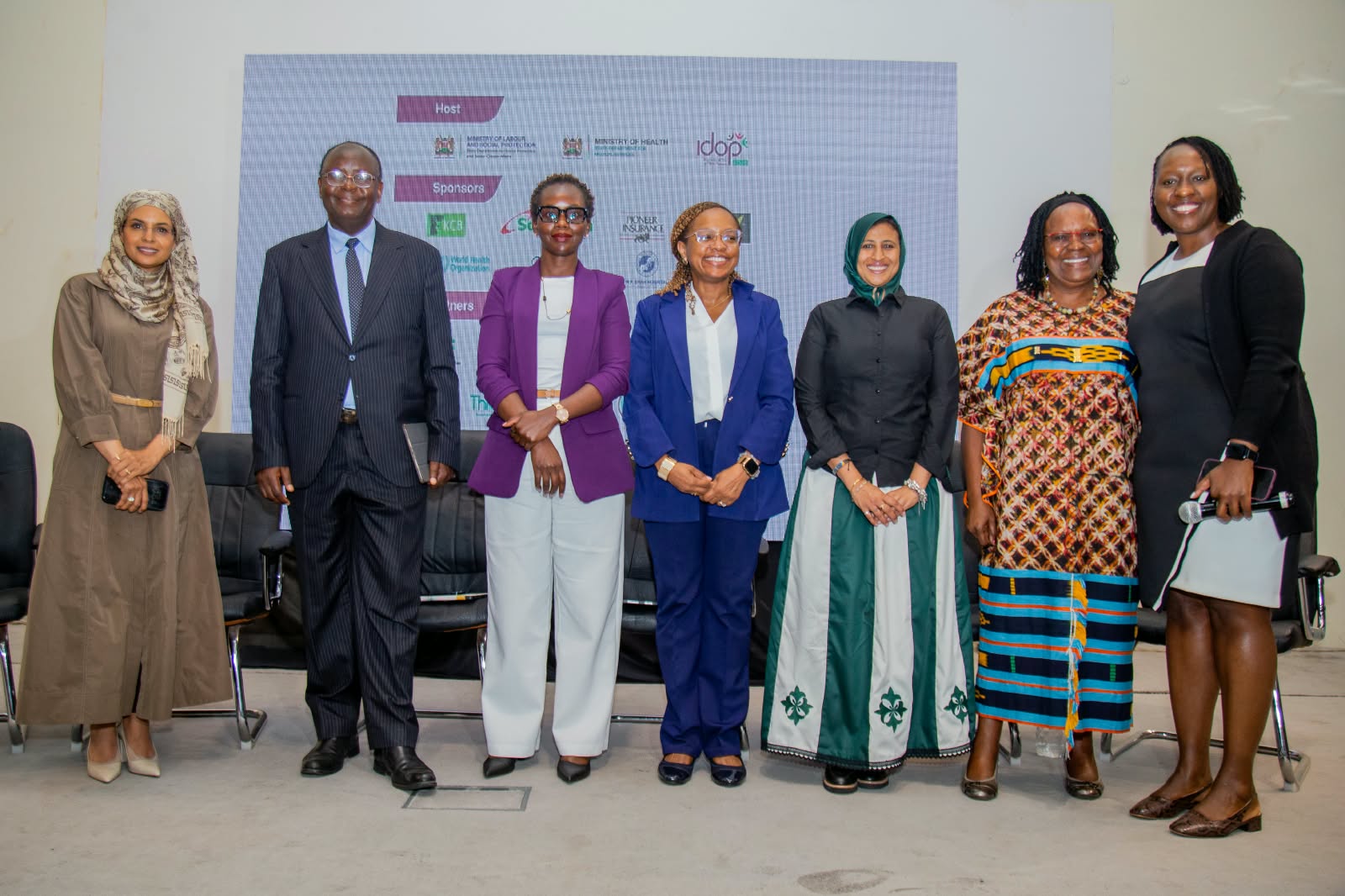
NAIROBI, Kenya, Aug 15 – The National Gender and Equality Commission (NGEC), in partnership with the National Commission for Science, Technology and Innovation (NACOSTI), Mizizi Elimu Afrika and key stakeholders on August 12 2026 hosted the national dissemination workshop and official unveil of the National Gender Research Agenda (NGRA).
Unveiled under the theme “Evidence to Impact: Advancing Gender Equality Through Research, Partnerships and Sustainable Investment,” the new framework seeks to resolve a long-standing structural challenge: the fragmentation and duplication of gender research in Kenya.
While extensive data exists across diverse institutions, much of it remains siloed, uncoordinated, or underutilized, weakening its potential to influence public policy and community programming.
Despite robust constitutional protections and existing sectoral gender policies, systemic disparities continue to affect women, youth, persons with disabilities and Special Interest Groups (SIGs):
● Employment and Earnings: Women continue to experience lower workforce participation rates and persistent income gaps compared to men.
● Political Leadership: Women make up approximately 47 percent of Kenya’s population, yet remain underrepresented in elected and senior decision-making roles.
● Social & Economic Barriers: Widespread challenges persist around gender-based violence (GBV), discriminatory cultural practices, limited land ownership, and reduced post-secondary educational attainment.
The NGRA outlines concrete strategies designed to transform academic research into actionable, policy-driven interventions:
● GESI Data Hub: Establish a centralized platform for disaggregated gender data and standardized data pooling.
● Capacity Building: Strengthen analytical skills across data producers, policymakers, communicators, and PhD researchers focusing on Gender Equality and Social Inclusion (GESI).
● Strategic Advocacy: Publish annual evidence briefs and host policy roundtables to translate complex data for local communities and key decision-makers.
●Emerging Challenges: Target research toward root causes of inequality, intersectionality, climate change impacts, digital divides, and Artificial Intelligence (AI).
The Chief Guest, Prof. Shaukat Abdulrazak, Principal Secretary for the State Department for Science, Research and Innovation, while speaking at the event called for stronger inter-agency coordination through a
“One-Government, One-Evidence” approach. ”Research should not be conducted merely for its own sake; it should generate evidence that helps understand and solve societal problems,” said Prof. Abdulrazak.
Prof. Abdulrazak highlighted that Sub-Saharan Africa lags behind global averages for researchers per million people, noting that 74 percent of Kenya’s research remains donor-funded.
He advocated for raising national expenditure on research and development from the current 0.78 percent of GDP toward the statutory 2 percent commitment outlined in the Science, Technology and Innovation Act.
He further emphasized that gender discussions must actively engage men as allies rather than remaining women-led dialogues.
Reaffirming the executive arm’s backing, Dr. Idris Salim Dokota, Principal Secretary for the State Department for Cabinet Affairs, emphasized that credible, timely, and disaggregated data is an essential instrument for governance.
“Inclusive development can only be realized when public policy is informed by comprehensive evidence that ensures no Kenyan is left behind,” Dr. Dokota noted.
“Such evidence is critical in identifying existing disparities and informing targeted interventions that address the needs of women, youth, persons with disabilities, older persons, children, minorities, and marginalized communities.”
He added that successful implementation of the National Gender Research Agenda will require strengthened collaboration among government institutions, research organizations, universities, development partners, civil society, the private sector, and citizens.
“Sustained investment in research, innovation, data systems, and institutional capacity will enhance our collective ability to translate research findings into sound public policy, effective programmes, and measurable development outcomes”.
As the government continues to advance the Bottom-Up Economic Transformation Agenda and broader national development goals, officials reiterated that research must consistently inform policy formulation, implementation, monitoring and evaluation.
“We must continue to strengthen partnerships, invest in quality research, and ensure that evidence translates into impactful policies and programmes that improve the lives and livelihoods of all Kenyans”.
Moving forward, the implementation roadmap focuses on engaging key national and county stakeholders, translating research frameworks into fundable concepts, establishing documentation platforms alongside institutions like NACOSTI and KNEC, and cultivating sustained communities of practice connecting evidence directly to strategy.