
IDOP 2026: Experts Call for Stronger Health, Social Systems to Support Kenya’s Ageing Population
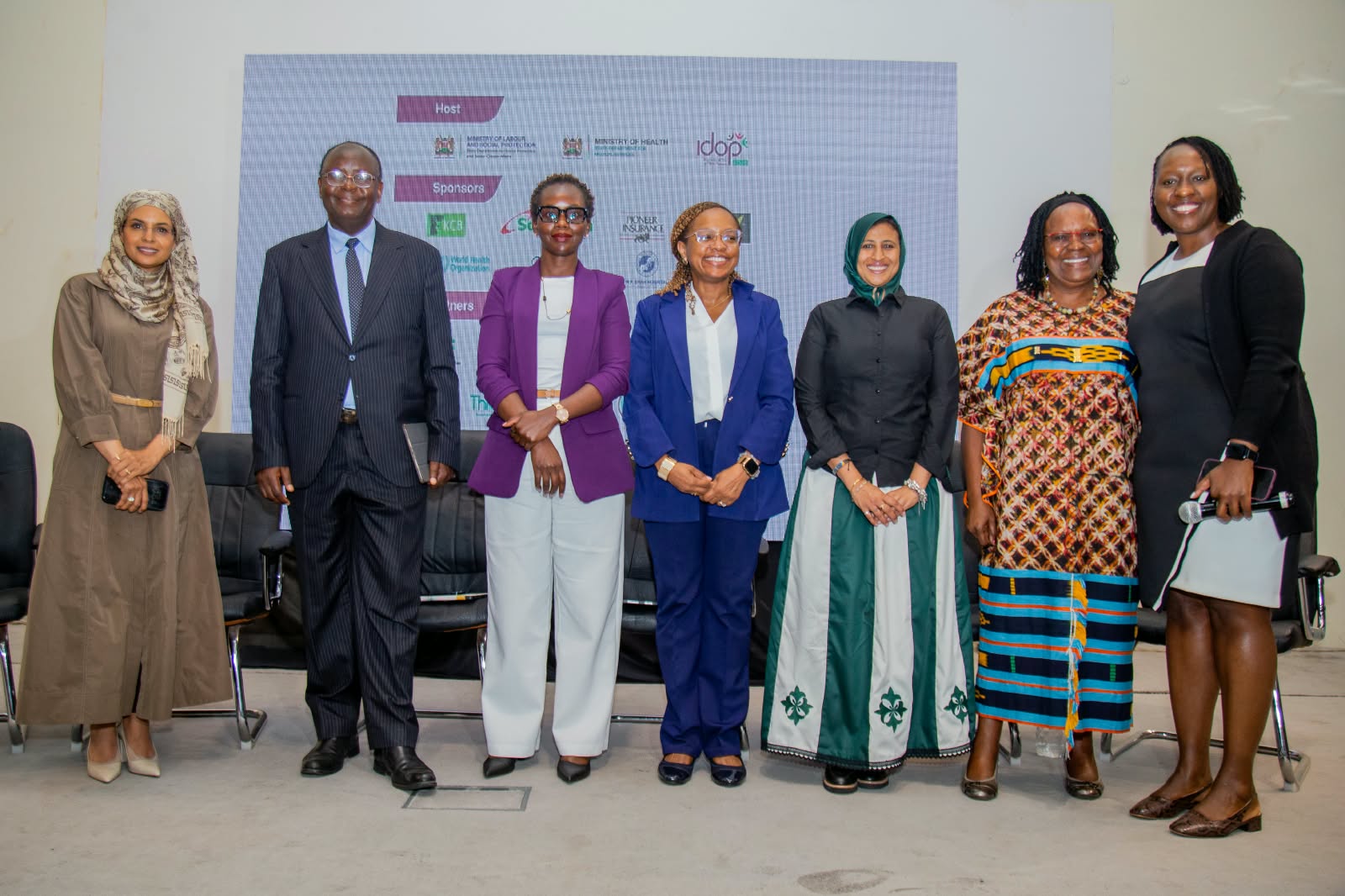
NAIROBI, Kenya, Sep 30 – As health experts, policymakers, researchers and advocates gather at the Kenya Institute of Special Education (KISE) for the International Day for Older Persons (IDOP) 2026 Scientific Pre-Conference ahead of main conference running from October 1-2 one key message is taking center stage: living longer is a milestone to celebrate, but Kenya remains ill-prepared for the reality of an aging population.
Discussions are examining how Kenya can respond to a growing older population through better evidence, integrated geriatric and gerontological care, stronger policy and greater participation of older persons.
With Kenya’s 2019 Population and Housing Census recorded about 2.7 million people aged 60 years and above. Participants noted that ageing is not a single health issue: older persons may face NCDs, dementia, mental health challenges, mobility limitations, nutrition concerns, elder abuse and social isolation, often at the same time.
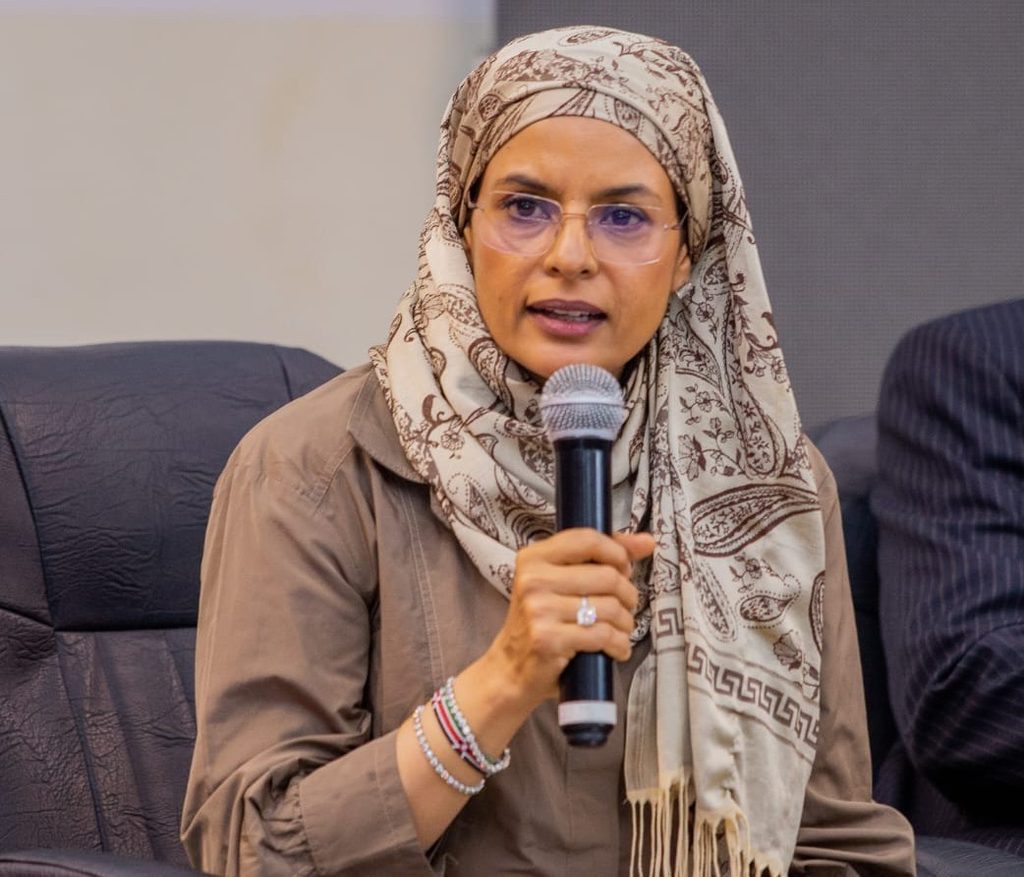
Shakira Khawaja, founder of Suqoon Kenya an organization dedicated to the care and dignity of the elderly under the motto “Wazee ni baraka wetu” (Our elders are our blessing) while speaking during the pre-conference discussions challenged state actors and civil society to move beyond ceremonial praise and address the structural gaps facing senior citizens.
“The theme this year is longevity and reframing longevity. But for me, the question is: we celebrate longevity, but are we ready for what it means in our country? We need to prepare ourselves for that.”
Khawaja highlighted critical policy and social infrastructure reform required to support dignity and independence in later life:
Dedicated Legal Framework: Called for a dedicated Older Persons Act to protect seniors against widespread elder abuse, discrimination, and neglect.
Expanding Social Safety Nets: Urged the government to lower the eligibility age threshold for the Inua Jamii cash-transfer program (currently capped at 70 years), pointing out that many vulnerable older Kenyans are left without support during crucial years.
Healthcare and SHA Enrollment: Pushed for accelerated registration of senior citizens under the Social Health Authority (SHA) to ensure accessible geriatric and chronic-care services.
Echoing Khawaja’s sentiment, WHO’s Dr. Rita Arogo stressed that reform must start with accurate data collection to properly adjust public infrastructure
“To rethink systems, we need to think of the data first. Because if we do not count older persons appropriately, then we will not be able to take care of them. We will not be able to adjust systems to take care of these people appropriately and also to prepare a future for us who are also ageing.”
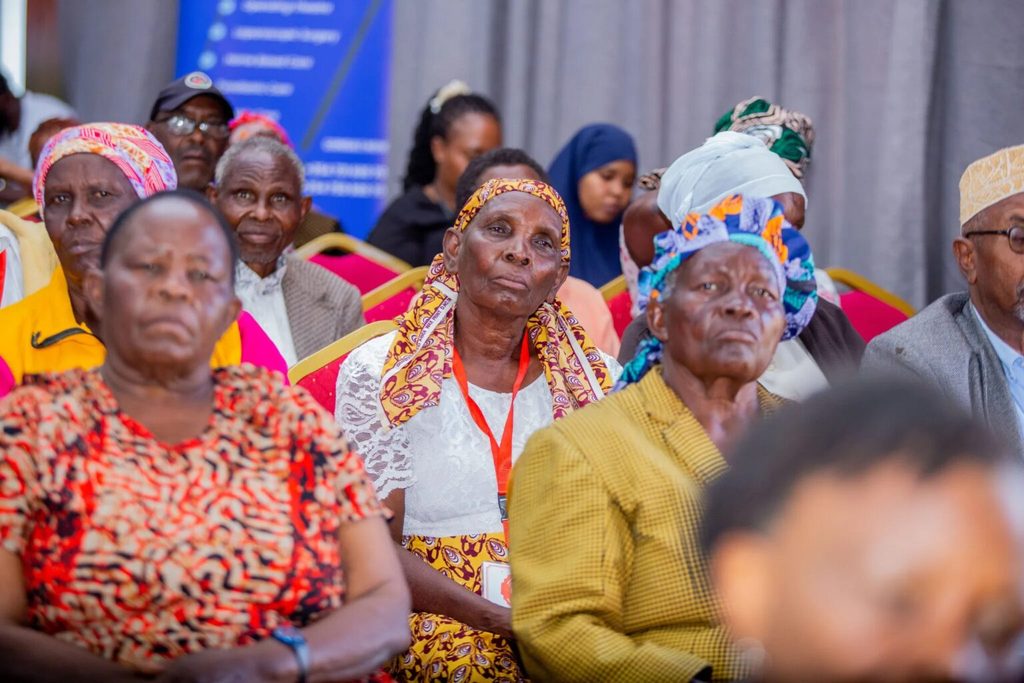
Dr. Lydia Atambo, Chair of the IDOP 2026 Conference Organising Committee and Director of the Africa Center of Excellence for Healthy Ageing and Older Persons, said the conversation must move beyond celebration to whether systems are actually responding to older persons’ needs.
“We are marking the International Day of Older Persons, where we celebrate older people. We are happy that they are here, and we are grateful for their contributions, not only to the economy but also to Kenya as a whole and to our families”, said Ms Atambo.
“They are our mothers, fathers, uncles and aunties. But beyond the celebration, we are asking whether the communities,systems and frameworks we have in place actually respond to their needs.”
Addressing the current social protection measures, Kawaja acknowledged the government’s Inua Jamii program, which currently provides a monthly stipend of KSh 2,000 as well as ongoing multi-stakeholder discussions to enhance social welfare.
However, she urged the government to widen the safety net by lowering the eligibility age to 60 and to reconsider the KSh 2,000 payout to cushion recipients against the rising cost of living.
“When an older person receives KSh 2,000 and has to choose between buying food or buying medicine, it becomes a devastating decision,” Kawaja noted, emphasizing that health, food, and shelter remain the primary pillars of well-being for the elderly.
To ease this burden, she advocated for automatic cross-registration between social protection and health systems, requesting that any senior enrolled in Inua Jamii automatically be registered for and supported under the Social Health Authority (SHA) coverage.
Turning to environmental and emergency preparedness, Khawaja highlighted the heightened vulnerability of older persons during climate-related disasters such as severe weather events and El Niño.
She called on the government, the private sector, and development partners to explicitly integrate the elderly into disaster relief and climate adaptation planning.
Further, Khawaja urged parliament and government stakeholders to fast-track the passage of legal frameworks specifically tailored to older persons, ensuring robust legislative protections for the diverse challenges and systemic issues they face daily.
For Cindy Charity of Suqoon Kenya entering the eldercare space as a young Gen Z advocate transformed her perspective on ageing, caregiving, and community support.
Tracing her roots across Tanzania and Kenya, Cindy’s journey in social advocacy began in 2000.
Stepping into a field predominantly shaped by older generations, she quickly confronted her own misconceptions about aging, sparking a deep personal growth that now drives her mission to support older persons and their families.
Cindy emphasizes that meaningful care starts with understanding and presence.”It is only when you step into this space and learn about others that you truly understand how to care for them,” she said.
However, providing that care comes with profound demands Caregivers face daily physical, emotional, and financial strains particularly when supporting parents or relatives living with condition like dementia, which can often lead to behavioral challenges or physical exhaustion.
To mitigate caregiver burnout, Cindy highlights the necessity of structured support systems and self-care.She advocates strongly for caregiver self-help groups where individuals can share experiences, exchange practical knowledge, and find solace in knowing they are not alone.
Beyond peer support, taking deliberate time out is essential to protecting a caregiver’s mental and physical health.”You cannot help someone else if you cannot sustain yourself first,” she notes, framing self-care not as a luxury, but as a prerequisite for quality caregiving.
Ultimately, Cindy views caregiving as both a profound calling and a skill set rooted in patience, love, and education.While emotional dedication provides the foundation, operational knowledge transforms the caregiving experience.
“Understanding the natural physical declines associated with aging such as muscle loss and mobility changes helps caregivers respond with empathy rather than frustration”.
She encourages families and caregivers to seek out formal and informal training courses, particularly for specialized needs like dementia, equipping themselves with practical strategies that make daily care management more sustainable.
The recommendations generated during the Scientific Pre-Conference will feed into the wider IDOP 2026 discussions and conference communiqué, with a focus on practical actions that can strengthen care, policy and support systems for older persons.
As Kenya’s population ages, the question is no longer only how to help people live longer, but how to ensure those additional years are lived with health, dignity, independence and purpose