Borsa Vini Kenya 2026: Italy-East Africa Forge Stronger Trade Ties Through Wine and Food
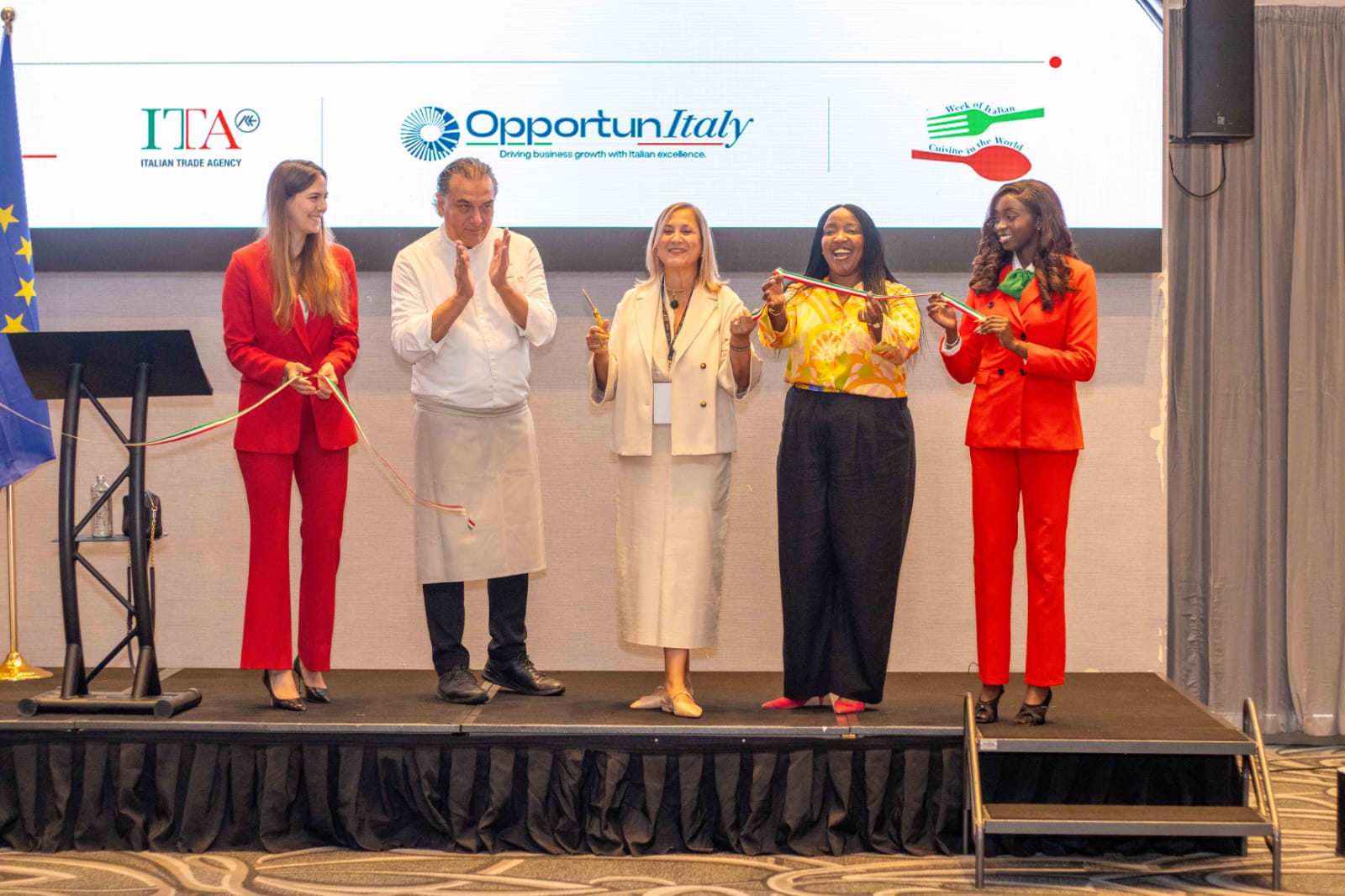
NAIROBI, Kenya, Nov 11 – Italian wine and food producers are setting their sights on Kenya, seeking to build integrated trade networks through shared expertise, technological adoption, and expanded market reach
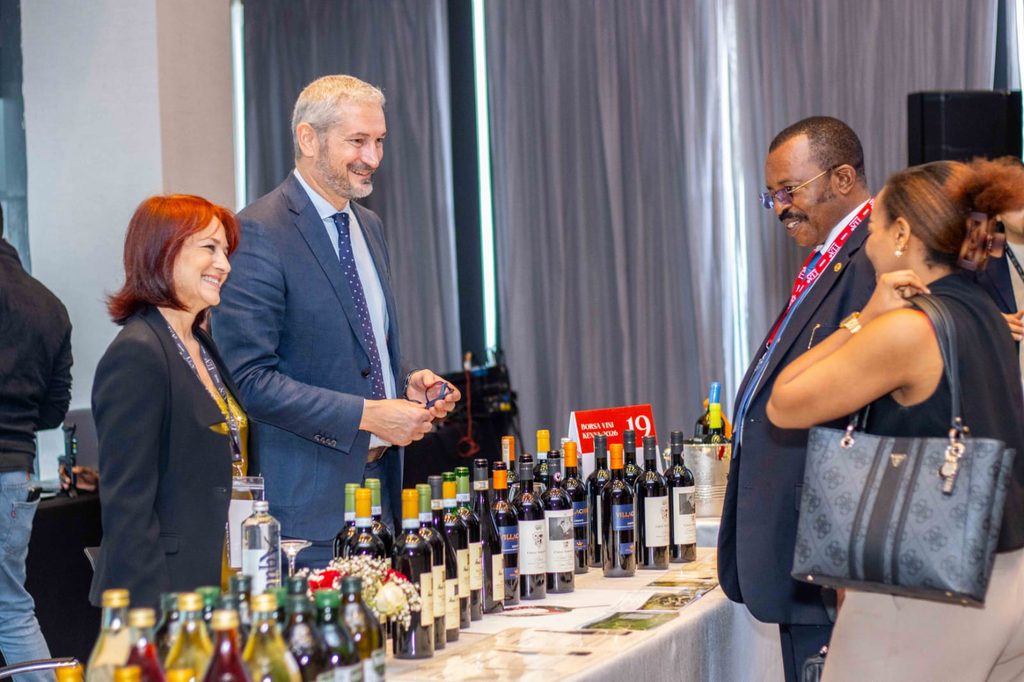
The push was highlighted during the second edition of Borsa Vini Kenya 2026, held at Trademark Hotel, Nairobi, The strategic industry gathering brought together Italian wine and food producers, Kenyan entrepreneurs, and regional sector experts to foster direct investment, broaden import channels, and deepen bilateral economic relations.
Organized by the Italian Trade Agency (ITA) in partnership with the Embassy of Italy in Nairobi, the two-day flagship exhibition brought together 26 premier producers spanning 10 distinct Italian regions.
For local hospitality pioneers and visiting buyers from Ethiopia, Tanzania, Uganda, and Rwanda, it wasn’t just a trade show it was a sensory bridge connecting centuries of Mediterranean tradition with East Africa’s rapidly growing consumer market.
A Rising Market for Italian Fine Dining
Italy has steadily deepened its footprint in East Africa’s culinary landscape. According to the Italian Trade Agency, Italy moved into position as Kenya’s third-largest wine supplier, seeing its market share leap from 11.5 percent in 2025 to 14.5 percent in the first half of 2026.
Speaking at the event, Alessandra Rainaldi, Director of the Italian Trade Agency in Nairobi, underscored the agency’s mission to help Italy’s family-run estates and mid-sized enterprises navigate international expansion.
“We support small and medium enterprises to export and to invest worldwide,” Rainaldi stated, emphasizing that Borsa Vini provides a direct line between producers from regions like Veneto, Piemonte, and Sicily and the regional distributors shaping East Africa’s hospitality sector.
Heritage, Culture, and Diplomacy on a Plate
For Italian diplomats, sharing wine and food is fundamentally an exercise in storytelling and soft diplomacy.
Giulia Orlandi, Second Secretary at the Embassy of Italy in Nairobi, highlighted that Italian cuisine’s recognition as UNESCO Intangible Cultural Heritage gives every bottle and dish an added layer of meaning.
“Wine is much more than a product because for us, for Italians, it reflects our history, our territories, and our cultural heritage,” Orlandi shared.
Orlandi detailed how the Embassy and the ITA work in lockstep to foster sustainable economic ties: while the Trade Agency manages technical match-making and commercial logistics, the Embassy works on the institutional level to streamline trade paths and encourage two-way business flow.
“We have an integrated approach. The Italian Trade Agency deals with the technical aspects, while the Embassy supports companies through political and institutional engagement. We work closely together to provide comprehensive support,” she elaborated.
The synergy comes at an opportune moment. Data from the Kenya National Bureau of Statistics reveals that Kenya’s export earnings to Italy driven by raw material demand for coffee, cut flowers, fish, and vegetable oils surged by 50.2% in 2025.
She added that the Embassy also helps Kenyan businesses understand the Italian market and identify opportunities for engagement with Italian suppliers and enterprises.
Culinary Craftsmanship Meets Hands-on Masterclasses
The exhibition anchored the kickoff of the 11th annual Week of Italian Cuisine in the World running November 8 -14 in Kenya to promote Italian culinary traditions, food products, and the cultural values associated with Italian cuisine.
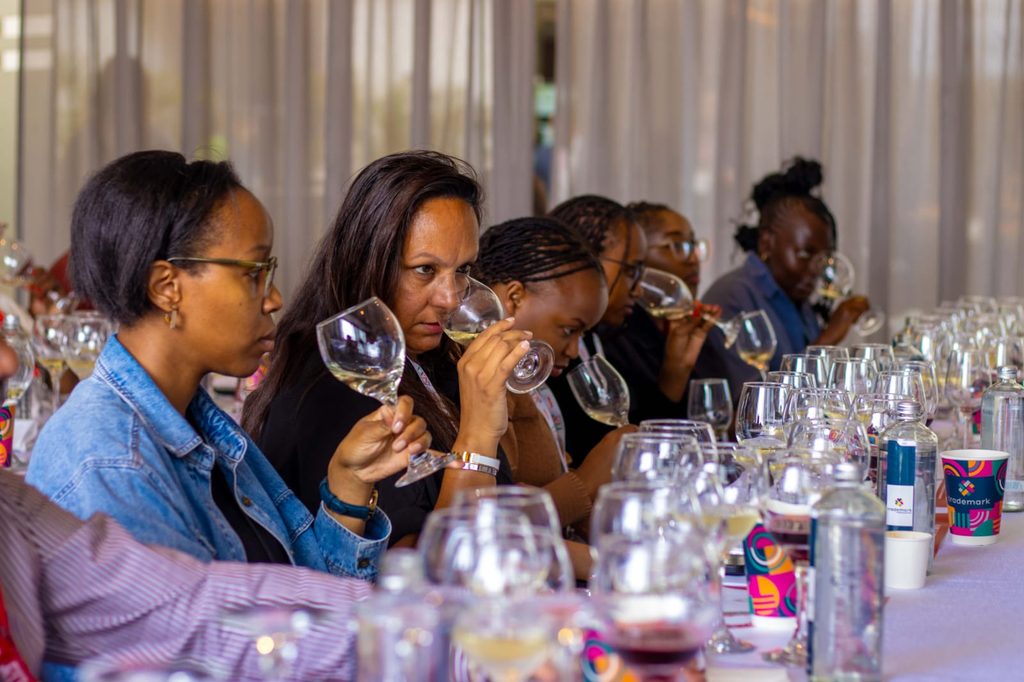
To make the vast world of Italian vintages accessible to local palates, renowned Kenyan wine consultant and sommelier Victoria Mulu-Munywoki hosted interactive masterclasses.
Mulu-Munywoki led participants through guided tastings, demystifying regional flavor profiles, grape varieties, and pairing techniques.
Rather than lecturing on rigid rules, her approach urged local buyers to trust their own senses, ask bold questions, and build confidence when curating wine lists for East African menus.
The sensory journey peaked with live cooking demonstrations by Michelin-starred Chef Italo Bassi, who demonstrated how raw Italian ingredients transform when paired thoughtfully with fine wines, leaving attendees with both commercial contacts and actionable culinary techniques.
Looking Ahead: Industrial Partnerships and Technology Transfer
Beyond the dining room, Italy’s economic framework in Kenya is evolving toward long-term industrial collaboration.
Under a dedicated three-year bilateral action plan, the Italian Trade Agency is focusing on high-impact sectors including agro-processing, leather manufacturing, and startup ecosystems.
As a processing economy reliant on high-grade raw inputs, Italy aims to share specialized equipment, engineering know-how, and technology with Kenyan producers helping transform raw local commodities into finished export-ready goods.
Through initiatives like Borsa Vini Kenya 2026, the relationship between Italy-Kenya and the wider East Africa region continues to mature past simple buy-and-sell trade, laying down roots built on shared value, cultural exchange, Innovation, Investment and Trade.