Africa’s Digital Health Revolution Faces a Missing Data Problem as WHO Warns of Uncounted Death
NAIROBI, Kenya, Nov 11 – Africa is investing in digital healthcare, artificial intelligence and modern health information systems, but a fundamental question remains: how effectively can governments save lives when they cannot consistently establish how many people are dying and what is killing them?
A new World Health Organization (WHO) assessment has exposed this contradiction, revealing that significant gaps in death registration, medical records and health data analysis continue to undermine the continent’s ability to identify preventable health risks and direct essential services to populations that need them most.
The findings raise concerns about whether Africa’s growing investments in digital health are translating into meaningful improvements in healthcare delivery, particularly in countries struggling with limited resources, inadequate health infrastructure and shortages of skilled personnel.According to the report, The Maturity and Functionality of Health Information System in the WHO African Region, only 19 of the 40 countries assessed reported notifying authorities of at least 80 per cent of deaths. Meanwhile, only 21 countries recorded the causes of death for at least 80 per cent of registered deaths.
The figures expose a fundamental weakness in the continent’s health information infrastructure: the inability to consistently capture the information needed to understand patterns of mortality and respond to preventable health conditions.For health authorities, knowing that deaths have occurred is only part of the challenge.
Establishing why people die, identifying recurring causes and understanding where healthcare interventions are failing are equally important in determining how limited resources should be deployed.Without reliable mortality information, governments risk making critical health decisions without a complete understanding of the populations they serve.The implications extend across maternal and newborn healthcare, childhood immunisation, infectious disease surveillance and the management of chronic illnesses.
When information is missing or delayed, health authorities may struggle to identify underserved communities, recognise emerging threats and establish whether interventions are reaching those who need them.
WHO Regional Director for Africa Dr Mohamed Janabi said the continent must move beyond collecting health information towards ensuring that it informs decisions capable of preventing avoidable deaths.“When we do not know why people are dying, which children are missing essential services or where communities face the greatest health risks, we may overlook the very people who need our attention most,” Janabi said.
He called for stronger investment, skilled professionals and improved coordination to ensure health information translates into better healthcare outcomes.The assessment, conducted in 2024 across 40 of the WHO African Region’s 47 Member States, awarded the continent’s health information systems an overall maturity score of 59 out of 100.
However, the variation between countries was considerable, with scores ranging from 26 to 93, highlighting unequal progress in developing the infrastructure, governance and technical capacity required to generate reliable health information.Beyond the challenge of recording deaths, the report identifies weaknesses in how information is assessed and interpreted at the point where healthcare is delivered.
Only 43 per cent of assessed countries reported having sufficient capacity to analyse health data at health facility level, while just 25 per cent had sufficient capacity to assess the quality of that information.This means that even where health facilities collect patient information, limited analytical capacity and inadequate quality checks can make it difficult for healthcare managers to establish whether the information accurately reflects the conditions facing their communities.
The problem becomes particularly significant when governments rely on facility-level information to determine where additional healthcare workers, medical equipment, medicines and other resources are required.A health information system is only as useful as the quality of the information it produces and the decisions that follow.Digital adoption without integrationAfrica’s digital health ambitions are advancing, but the WHO findings suggest that the transition from paper-based reporting to digital platforms has not necessarily produced connected and functional health information systems.
Forty-three of the continent’s 47 Member States have adopted digital platforms for collecting and reporting routine health information. However, only 20 per cent of countries participating in the assessment reported implementing digital patient medical records.Fewer than half had established frameworks allowing different health information systems to exchange information.
This creates a fragmented healthcare information environment in which hospitals, laboratories and other health programmes may operate with disconnected records, limiting the ability of health professionals to access a comprehensive picture of patients’ health histories.For patients moving between facilities, fragmented records can also complicate continuity of care, particularly where previous diagnoses, treatment information and laboratory results are not readily accessible.
The challenge is therefore no longer simply about putting health records online. It is about building systems that communicate with one another, protect patient information and make relevant data available to authorised healthcare professionals when decisions need to be made.Financing and governance further complicate the transition.Only 18 per cent of assessed countries reported having a dedicated budget line for health information systems, while 35 per cent had an updated national policy guiding their development.
The limited financing raises questions about how governments will maintain digital infrastructure, recruit data specialists, strengthen cybersecurity and ensure that health information systems remain functional beyond initial investments.Without sustainable financing and clear institutional responsibilities, digital platforms risk becoming isolated projects rather than essential components of national healthcare systems.When better data changes healthcare decisionsExperiences from individual countries demonstrate what stronger health information systems can achieve when information is connected to action.
In Zimbabwe, maternal and perinatal death reporting previously depended on paper-based records that could take weeks or months to reach decision-makers.Such delays limited the speed at which authorities could identify preventable risks and respond to weaknesses in maternal and newborn healthcare.In Nigeria’s Bauchi State, health authorities used vaccination data alongside community-level information to identify children who had missed routine immunisation and direct interventions towards underserved populations.The two examples illustrate the difference between collecting information for administrative purposes and using it to identify gaps in healthcare delivery.
For Africa, the challenge is to make this approach consistent across national health systems, ensuring that information collected at community and facility levels contributes to timely decisions.WHO launched its Regional Health Data Hub in August 2026 as part of efforts to address fragmentation and improve access to health information.
The digital platform is designed to bring together information from different health programmes, allowing decision-makers to access, analyse and compare data to identify underserved populations, monitor health trends and direct resources towards priority areas.The initiative also comes as governments and development partners increasingly explore artificial intelligence and other digital innovations to strengthen healthcare planning and service delivery.
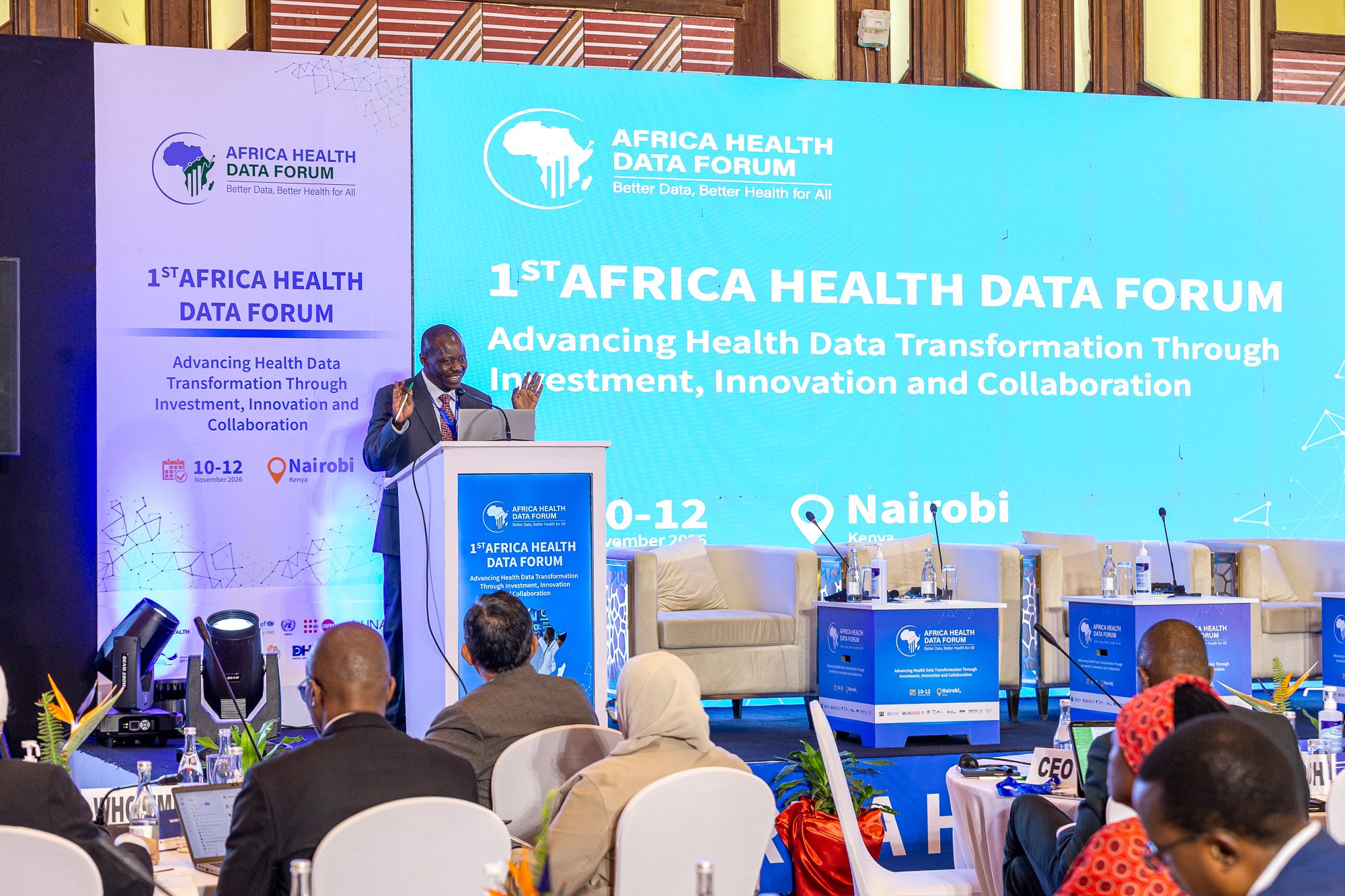
However, the effectiveness of such technologies will depend on the quality of the information feeding into them, the availability of skilled professionals and the ability of national systems to exchange information.Artificial intelligence cannot independently resolve weaknesses in death registration, unreliable records or inadequate data governance.The findings are expected to inform discussions at the First Africa Health Data Forum, taking place in Nairobi from November 10 to 12, 2026.
The meeting brings together African health ministers, senior government officials, WHO and development partners to examine the state of health information systems, share country experiences and identify investment priorities.Discussions will also consider how digital health, artificial intelligence and stronger collaboration can support more responsive healthcare systems across the continent.
Ultimately, Africa’s health data transformation will be measured not by the number of digital platforms established or the amount of information collected, but by whether governments can use that information to identify people at risk, close gaps in healthcare delivery and prevent deaths that could otherwise be avoided.For a continent seeking to accelerate universal health coverage, the challenge is increasingly clear: digitising healthcare is progress, but knowing who needs care, where they are and why they are being left behind is what will make that progress count.