Beyond HIV and TB Diagnoses: The Moth Challenges Africa to Tell Human Stories Behind Illness
As health systems focus on treatment targets and disease statistics, The Moth’s Nairobi Mainstage is bringing attention to the personal experiences, stigma and aspirations that often go unreported.
NAIROBI, Kenya, Nov 6 – A diagnosis can change how a person sees their future, but it does not have to determine everything that follows.For someone living with HIV, the desire to find love, build a family and pursue personal ambitions does not disappear.
For someone who has experienced tuberculosis, life extends beyond treatment, illness and recovery.Yet public conversations about infectious diseases often introduce people through their diagnoses, leaving their identities, relationships and aspirations in the background.
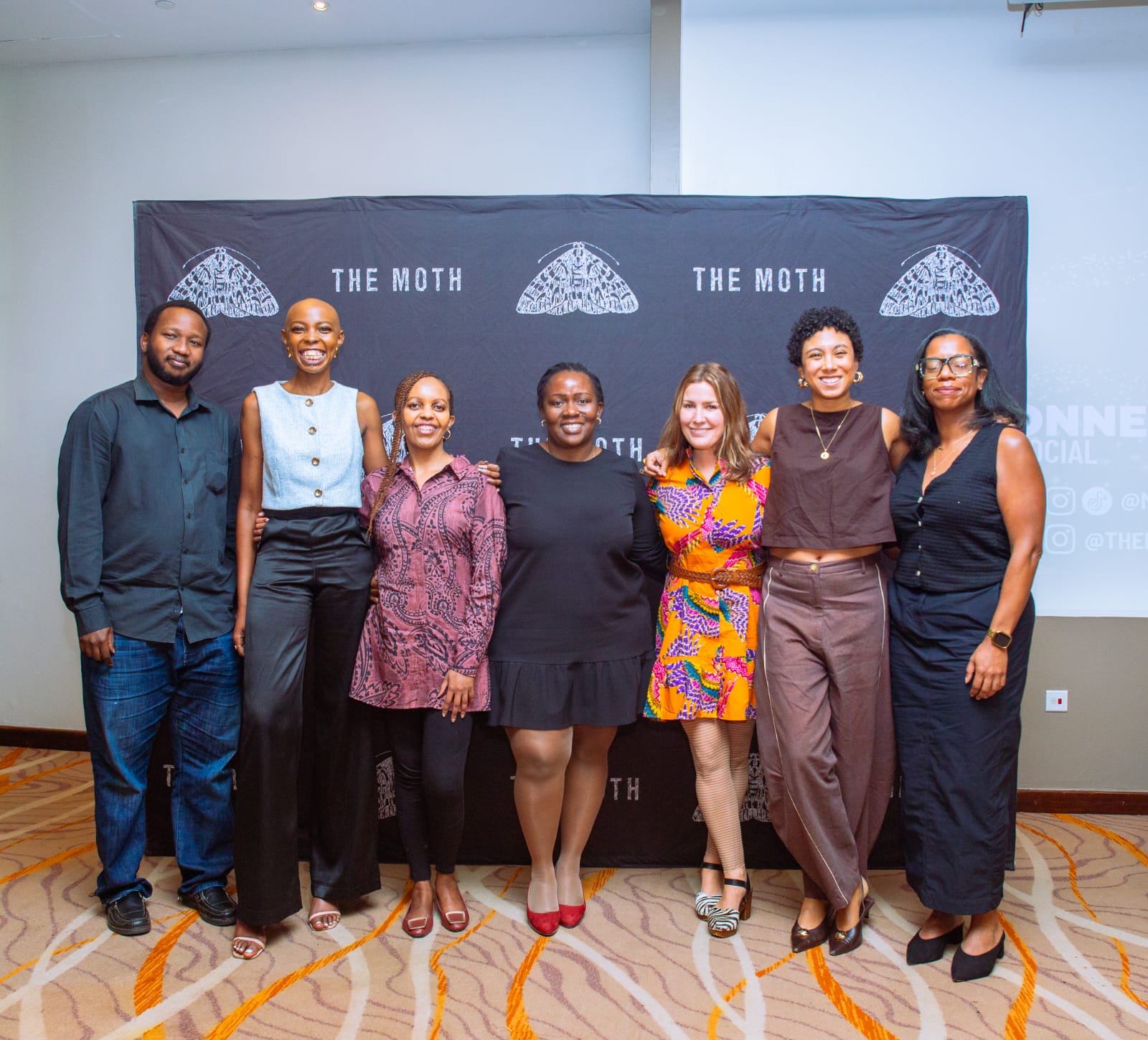
The Moth is challenging that approach through its 2026 Nairobi Mainstage, where two of five storytellers will share experiences involving HIV and tuberculosis under the theme Now or Never on November 7 at the Catholic University of Eastern Africa.
Rather than making illness the centre of the narratives, the organisation wants audiences to encounter the individuals behind the experiences.
One story follows a woman’s desire for love and motherhood despite an HIV diagnosis. Another explores a young man’s relationship with his grandfather, with tuberculosis forming part of a wider experience involving family, tradition and difficult choices.
For Sarah Austin Jenness, Executive Producer of The Moth, the distinction is deliberate. She explains that the story involving tuberculosis is fundamentally about a boy and his grandfather, while the account involving HIV explores a woman’s longing for love and motherhood.
The diagnoses are part of the experiences, but they do not define the storytellers.
Chloe Salmon, Editorial Director of The Moth Podcasts and Radio, describes this approach as putting the story before the issue. She says audiences engage differently when listening to someone describe a personal experience than when receiving a conventional presentation about a health condition.
A personal account, she argues, allows listeners to understand how an individual experienced an event without feeling that they are being persuaded to adopt a particular position.
This approach comes at a time when HIV and tuberculosis remain significant public health concerns across Africa, despite advances in prevention, diagnosis and treatment.
While health campaigns have expanded awareness and access to medical services, stigma and misinformation continue to affect how people experience these conditions.
Dr Michael Maina, a medical doctor at Kenyatta National Hospital and psychiatry resident at the University of Nairobi, identifies accepting a diagnosis as one of the most difficult experiences for patients.
Beyond understanding their medical condition, patients must consider how it could affect their relationships, families and future.He says the emotional impact of diagnosis is not always adequately addressed, particularly in busy hospital departments where healthcare professionals face pressure to attend to large numbers of patients.
Although referral to psychological support can help, he believes healthcare workers must also make time to listen and demonstrate empathy.Maina notes that stigma remains deeply rooted partly because of the negative emotions associated with certain illnesses.
He also argues that public health campaigns have concentrated heavily on prevention and awareness without sufficiently involving people living with the conditions in shaping those conversations.
When patients become active participants in health communication, he believes communities have an opportunity to see them beyond their diagnoses.
Stigma can also have practical consequences. Maina explains that some patients become uncomfortable visiting comprehensive care clinics because they fear encountering people they know.Such experiences can discourage individuals from seeking services or delay their return to treatment.
The result is a gap between the availability of healthcare and people’s willingness to access it.For him, health systems must pay greater attention to the psychological experiences that conventional disease statistics rarely capture.
That includes the anxiety, uncertainty and emotional distress that can follow a life-changing diagnosis.The need to capture these experiences is central to the work of Maureen Amakabane, a Senior Instructor at The Moth.
She says health narratives have historically been shaped by single perspectives, leaving important experiences outside public conversations.”Stereotypes come as a result of single narratives,” she says, explaining that hearing from people who have lived with HIV or supported someone through the condition can challenge stigma.
Through storytelling training, participants are encouraged to explore how their experiences changed their understanding of themselves and the world around them.
Amakabane says the approach can also bring attention to issues such as access to treatment, medical care and the relationship between healthcare services and quality of life.She insists that storytellers must retain control over how their experiences are presented.
The storyteller, she says, should determine what is true and important to share rather than being directed towards what an audience might want to hear.
Salmon similarly says participants are encouraged to decide what information they are comfortable disclosing, particularly when their accounts involve sensitive medical histories or other people’s identities.
For journalists, the approach raises questions about how health stories are reported and whose experiences receive attention.
Josephine Macharia, producer of the 2026 Mainstage, encourages journalists to investigate the issues beyond what is immediately presented in a personal account.
She says the stories can raise wider questions about stigma, healthcare access and family responsibility, including what happens to children when a parent dies. Her message to journalists is to approach reporting with curiosity and investigate questions that audiences may also want answered.
Jenness believes personal narratives can help bridge the gap between technical health discussions and public understanding.
Drawing from The Moth’s experience with more than 1,000 graduates of its storytelling workshops, she says narratives built around personal memories, dialogue and emotional experiences can help audiences understand circumstances beyond their own lives.
She has also witnessed personal stories encourage engagement with global health issues that audiences might previously have considered distant.
The organisation hopes to extend these opportunities through its Global Community Program, partnerships with media outlets and additional storytelling platforms.Jenness says support from the Gates Foundation has helped sustain much of The Moth’s global work, including its focus on women, girls and maternal and child survival.
The organisation hopes continued support from foundations and companies will create more opportunities to amplify personal experiences connected to health.
However, the wider challenge is ensuring that storytelling contributes to meaningful public engagement rather than ending with an emotional performance.
For African healthcare institutions, the experiences shared through such platforms can offer another perspective on the barriers patients face, particularly stigma, communication gaps and the need for social and psychological support.
For journalists, they provide an opportunity to move beyond reporting disease burdens and investigate how health conditions affect people’s everyday lives.
Ultimately, the message behind The Moth’s Nairobi Mainstage is that a diagnosis may become part of someone’s story, but it should never become the only story society is willing to hear.
As the five storytellers prepare to take the stage, their experiences invite audiences to reconsider not only how they understand illness, but also how they see the people living through it.