
Beyond Climate Promises: What Vulnerable Countries Need From COP31
NAIROBI, Kenya, Nov 6 – With floods, droughts and extreme heat intensifying, developing countries are demanding climate finance and practical action as world leaders prepare for the UN climate summit in Türkiye.
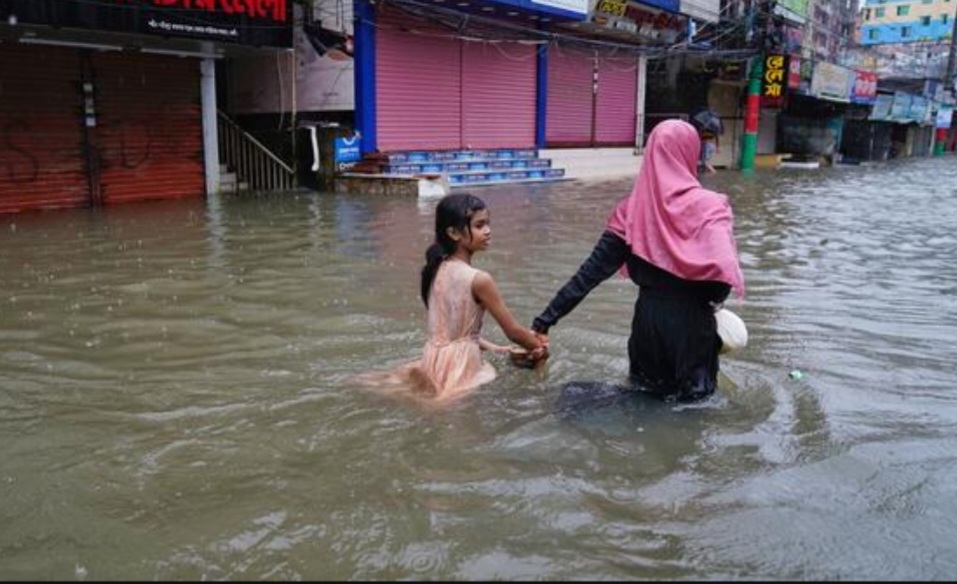
For families forced from their homes by floods, farmers watching prolonged drought destroy their livelihoods and communities struggling without reliable electricity, climate change is no longer a warning about the future.
It is a crisis already shaping how they live.Yet as the world prepares for another round of climate negotiations, a difficult question remains: why are countries still struggling to protect their populations when the technologies and knowledge needed to address climate change are increasingly available?This question will follow more than 190 countries to Antalya, Türkiye, from November 9 to 20, for the 31st United Nations Climate Change Conference (COP31).
The summit comes amid growing scientific concerns that global temperatures are on course to temporarily exceed the 1.5°C warming threshold set under the Paris Agreement, raising the urgency for governments to reduce emissions and strengthen climate resilience.The consequences are particularly concerning for developing countries, many of which face severe climate impacts despite having contributed relatively little to historical global emissions.
For these countries, the challenge is not simply developing climate policies. It is finding the money to implement them while managing competing demands such as healthcare, education, infrastructure and economic development.Selwin Hart, the UN Special Adviser on Climate Action and Just Transition, says the world has made remarkable progress in developing clean energy technologies, but access to these solutions remains deeply unequal.
The imbalance is evident in global investment patterns.Emerging and developing economies outside China, representing nearly two-thirds of the world’s population, received only 18 per cent of global clean energy investment in 2025.Africa faces an especially difficult contradiction.
The continent possesses significant renewable energy resources, yet attracts only a small proportion of global clean energy investment. Around 600 million people across the continent still lack access to electricity.This means that while wealthier economies are expanding renewable energy infrastructure and modernising their power systems, millions of Africans remain without reliable electricity for homes, schools, hospitals and businesses.
The financing environment makes the transition even more difficult.According to Hart, renewable energy projects in developing economies can cost several times more to finance than comparable projects in wealthier countries, despite using identical technologies.
High financing costs discourage investment and make it harder for governments to expand clean energy infrastructure.For countries already struggling with heavy debt burdens, borrowing more to finance climate projects can deepen existing economic pressures and limit resources available for essential public services.
Hart says developing economies need financing solutions that do not increase their debt burdens.“We need solutions on finance that will not increase debt,” he emphasises.The issue of climate finance is therefore expected to dominate discussions in Antalya, particularly as developing countries continue pressing wealthier nations to fulfil their financial commitments under the Paris Agreement.
Negotiators will also address how climate finance should be distributed, who should contribute and how vulnerable countries can access resources more easily.But the summit will extend beyond financing the energy transition.Adaptation is another pressing issue for countries already experiencing the consequences of rising temperatures and increasingly disruptive weather patterns.
For communities exposed to floods, droughts and extreme heat, resilience depends on investments that can protect lives and livelihoods before disasters strike.This includes stronger early warning systems, climate-resilient infrastructure, reliable water supplies and support for agricultural communities facing increasingly unpredictable weather.
Developing countries are expected to push for greater financial support for these interventions, alongside discussions on how progress in adaptation should be measured.The negotiations will also revisit the just transition, which seeks to ensure that moving towards cleaner economies does not leave workers, vulnerable communities and developing countries behind.
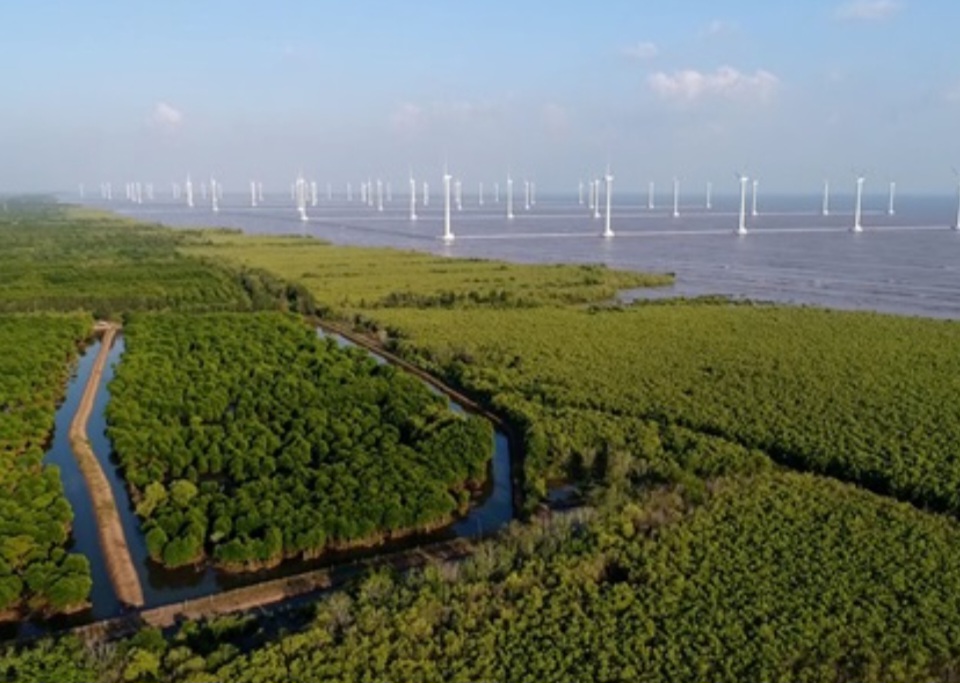
Although countries agreed last year to establish a mechanism supporting this transition, important decisions on its implementation remain outstanding.Meanwhile, the pressure to reduce greenhouse gas emissions continues.Fossil fuels remain the principal driver of global warming emissions, but governments remain divided over how quickly and through what measures they should strengthen their commitments.Despite these disagreements, the expansion of renewable energy and clean technologies offers evidence that a different energy future is possible.
Electric vehicles accounted for one in four new cars sold globally in 2025, compared with fewer than one in 100 a decade earlier. Their share is projected to reach 28 per cent in 2026.Solar energy has also experienced significant growth. More than 600 gigawatts of solar capacity were added worldwide in 2025, representing over three-quarters of new renewable power capacity.Battery storage capacity has expanded rapidly as well, reaching 11 times its 2021 level.
The additional 108 gigawatts installed in 2025 alone are helping address one of renewable energy’s major challenges: storing electricity for use when sunlight and wind are unavailable.These developments demonstrate that the global energy transition is gaining momentum.However, technological progress alone cannot guarantee a fair transition when the countries that need investment most face the highest financing costs.
Hart argues that the next phase of climate action must focus on removing the barriers preventing developing economies from implementing solutions.He also cautions against expecting international climate conferences to deliver a single agreement capable of resolving the crisis.
COP31 will instead provide opportunities for governments, businesses, development banks and civil society to work on practical interventions, alongside formal negotiations and national commitments.Türkiye will host and preside over the summit, while Australia will lead negotiations in close cooperation with Pacific Island countries.
The Turkish presidency has identified clean energy, food security, resilient cities, greener industries, oceans and waste reduction as important areas for implementation.The conference will also launch the second global stocktake under the Paris Agreement, providing an assessment of collective progress towards long-term climate goals.
The exercise comes at a critical moment as the world confronts the possibility of exceeding the 1.5°C threshold.Hart argues that temporarily crossing this threshold should not be interpreted as a reason to abandon climate action. How far temperatures rise and how long they remain elevated will still depend on the decisions made by governments, businesses and societies.
The priority, he says, must be faster emissions reductions and greater investment in protecting vulnerable communities.For countries already experiencing climate-related losses, the distinction between climate ambition and implementation is becoming increasingly important.A government may announce ambitious renewable energy targets, but without affordable financing, electricity infrastructure and access to technology, those commitments may remain difficult to achieve.
Similarly, adaptation strategies cannot adequately protect communities if the resources needed to implement them never reach the ground.As COP31 approaches, the challenge facing world leaders is therefore to turn international commitments into investments and interventions that make a measurable difference.
For Africa, the stakes extend beyond reducing emissions. They include expanding electricity access, protecting agricultural livelihoods, strengthening health systems and ensuring that economic development is not undermined by climate vulnerability.The world may have more tools than ever to confront climate change, but the success of the transition will depend on who can access them.For communities already living with the consequences of a warming planet, another climate summit will matter only if the decisions made in Antalya translate into protection, affordable energy and resources to build a more resilient future.