
Climate Action Could Prevent 1.6 Million Deaths Annually, WHO Report Finds
NAIROBI, Kenya,Nov 6- The heat alerts to cleaner cooking fuels, six interventions could deliver US$3.9 trillion in annual economic benefits, placing health at the centre of global climate investment.
The global response to climate change could deliver far-reaching public health and economic gains if governments invest in six interventions that the World Health Organization (WHO) says could prevent 1.6 million deaths every year.
A new WHO report released on 4 November 2026 estimates that scaling up these measures worldwide could generate US$3.9 trillion in annual economic welfare benefits and an additional US$5.4 trillion in fiscal gains for governments.The findings offer a public health perspective on climate investment, demonstrating how measures designed to protect populations from environmental risks can also reduce healthcare burdens, improve productivity and strengthen public finances.
Titled Global Benefits and Costs of Prioritized Actions on Climate Change and Health, the report is the first comprehensive assessment of the economic and fiscal returns from expanding six WHO-recommended climate and health interventions.Together, the interventions could prevent approximately one in every 40 deaths annually, based on the report’s modelled projections, while avoiding an estimated 16.7 billion tonnes of carbon dioxide emissions.
The proposed measures include heat-health warning systems, climate-resilient drinking-water services, basic sanitation, hygiene and handwashing facilities, cleaner household fuels and technologies for cooking and heating, and more efficient fossil fuel pricing policies.The report comes ahead of COP31, scheduled for 9–20 November 2026, as governments prepare to discuss climate commitments and strategies for addressing the growing effects of climate change.
WHO Director-General Dr Tedros Adhanom Ghebreyesus said climate-related health damage could be reduced through interventions that are already available.“The climate crisis is a health crisis, but much of the harm it causes can be prevented with tools we already have,” he said.
He urged governments to make health protection central to climate negotiations, particularly because countries with fewer resources often face significant health and economic consequences from climate-related risks.The economic case for investment is particularly evident in the report’s assessment of returns across the interventions.
For five of the six measures, every US$1 invested is estimated to generate US$24 in benefits, highlighting the potential returns from expanding relatively affordable public health and environmental interventions.Heat-health warning systems recorded one of the highest estimated returns, generating US$835 in benefits for every US$1 invested.
These systems allow authorities and communities to anticipate periods of extreme heat and communicate warnings that can help prevent heat-related illnesses and deaths.Their high estimated return reflects the ability to build on existing systems while reducing the health consequences of dangerous temperatures.
However, the largest overall economic and fiscal gains are associated with efficient fossil fuel pricing policies, including removing inefficient subsidies and introducing appropriate taxation.WHO estimates that these policies alone could prevent 1.2 million deaths annually, generate US$3 trillion in economic welfare benefits and deliver US$5.4 trillion in additional fiscal benefits.
The findings also highlight the relationship between household energy choices and public health.Expanding access to cleaner cooking and heating fuels and technologies could reduce exposure to harmful household air pollution while contributing to lower carbon emissions.Similarly, investments in climate-resilient drinking-water systems, sanitation and hygiene facilities could strengthen communities’ ability to maintain essential services amid climate-related disruptions.
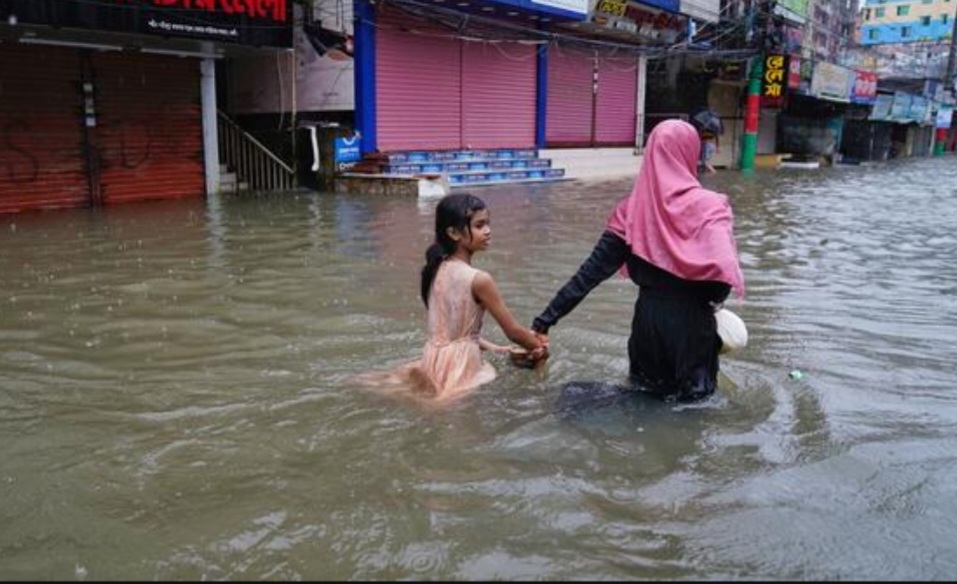
For countries facing climate shocks, reliable water and sanitation infrastructure is particularly important in protecting public health and preventing additional disease burdens.The report estimates that implementing all six interventions at scale could avoid 16.7 billion tonnes of carbon dioxide emissions, equivalent to approximately 31 per cent of global annual greenhouse gas emissions when emissions from land use, land-use change and forestry are excluded.
WHO argues that the benefits could be particularly significant in low- and middle-income countries, where climate vulnerabilities and limited public resources can deepen existing health and economic inequalities.The analysis assessed intervention coverage, health outcomes, environmental effects, economic productivity, government revenues and implementation costs over the period 2024–2075, comparing expanded implementation with scenarios in which the interventions are not scaled up.
However, WHO acknowledges that the projections depend on ambitious expansion scenarios and remain subject to uncertainties, including limitations in available evidence and the modelling of long-term impacts.The organisation is calling on governments, development partners and financing institutions to use the economic evidence to guide investments in climate and health protection.
The findings add a critical dimension to climate negotiations: the consequences of climate change are not limited to environmental degradation but extend to preventable deaths, household health risks, public expenditure and national economic performance.As countries prepare for COP31, the report makes the case that climate action should also be evaluated by its ability to protect lives and strengthen the health systems and essential services on which communities depend.