
Why Millions of Adolescents Are Growing Up Without Enough Physical Activity,WHO warns
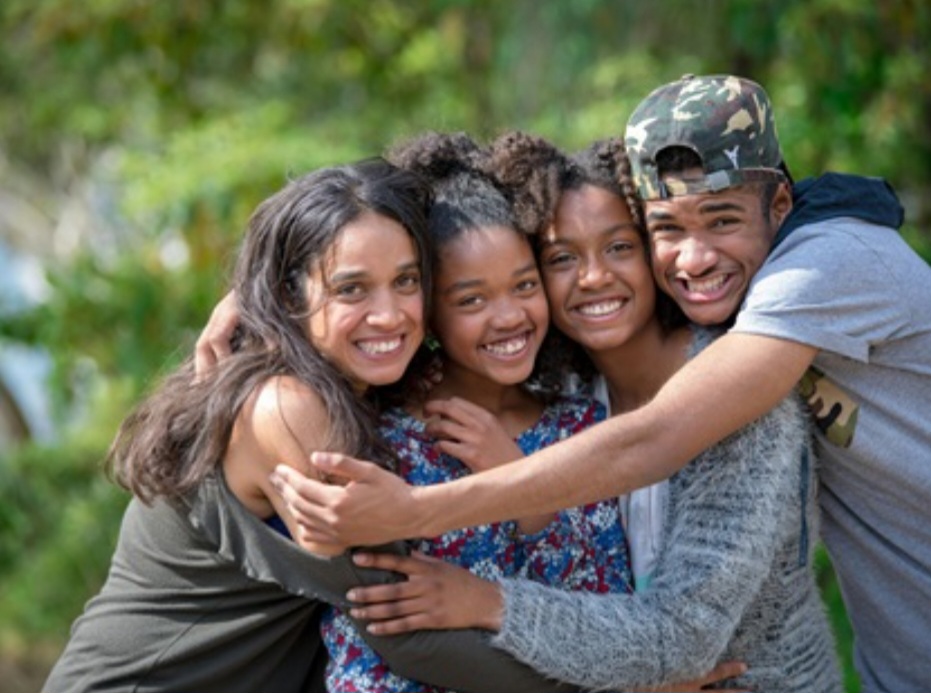
NAIROBI, Kenya Nov 6 – WHO warns that 240 million adolescents recorded no physically active days in a week, exposing a 15-year global failure to improve movement habits, with girls disproportionately affected.
A generation of young people is growing up without sufficient opportunities for physical activity, raising concerns about the long-term consequences for global health as new estimates reveal that one in four adolescents did not meet the recommended daily activity threshold on any day in the previous week.
The World Health Organization (WHO) estimates that approximately 240 million adolescents aged 11–17 experienced this level of inactivity, highlighting a persistent public health challenge that has barely changed in 15 years.The findings, released on 4 November 2026, draw attention to the growing gap between recommended physical activity and the everyday experiences of young people, whose opportunities to move are increasingly shaped by their surroundings.
Published in The Lancet Global Health, the study analysed 389 population-based surveys from 140 countries and territories, involving more than 3.2 million adolescents.On average, adolescents reported achieving at least 60 minutes of moderate-to-vigorous physical activity on only 2.7 days per week. Just 14 per cent reported meeting the threshold every day.
The figures point to more than an individual health concern. They raise questions about whether schools, neighbourhoods and public infrastructure are adequately designed to support healthy adolescent development.
Physical activity during adolescence plays an important role in maintaining cardiovascular health, supporting physical development and reducing the risk of noncommunicable diseases later in life.Insufficient activity is associated with increased risks of heart disease, type 2 diabetes and some cancers, making the failure to establish active habits early in life a concern for future healthcare systems.
WHO Director-General Dr Tedros Adhanom Ghebreyesus said the world had made little progress in encouraging young people to become more physically active.“For 15 years, the world has made almost no progress in getting young people moving, and girls are being left furthest behind,” he said.
He called for environments that make movement, recreation and physical activity safe and accessible rather than placing the responsibility entirely on adolescents.The gender differences emerging from the study reveal another dimension of the problem.Twenty-eight per cent of girls reported no active days during the previous week, compared with 22 per cent of boys.
Only 11 per cent of girls achieved the recommended activity level throughout all seven days, against 17 per cent of boys.WHO found that girls were less active than boys in almost every country and across all its regions.The disparity suggests that opportunities to participate in physical activity are not equally distributed, with social expectations, access to recreational facilities and safety concerns potentially influencing girls’ participation.
Geographical differences further illustrate the scale of the challenge. In some countries, only four per cent of adolescents reported no active days, while in others the proportion exceeded 40 per cent.WHO attributes these variations partly to differences in the environments in which adolescents grow up.Access to safe public spaces, school facilities, affordable sporting opportunities and infrastructure for walking and cycling can determine whether physical activity becomes part of everyday life.
Transport patterns and increasingly screen-based lifestyles also influence how young people spend their time.These factors suggest that improving adolescent physical activity requires interventions beyond health education and individual behaviour-change campaigns.
WHO is calling for governments to coordinate policies across education, transport, urban planning, sport and healthcare to create environments that support regular movement.Schools can provide opportunities through physical education, organised sports and active recreation, while local authorities can improve access to playgrounds, recreational facilities and safe routes for walking and cycling.Particular attention is needed to address barriers affecting girls, who consistently record lower activity levels than boys.
The findings also challenge governments to reconsider how physical activity is incorporated into public health planning and investments in community infrastructure.With global adolescent activity levels virtually unchanged over 15 years, the latest estimates suggest that existing approaches have not sufficiently addressed the structural barriers preventing young people from moving.
The challenge, therefore, is not simply to persuade adolescents to become more active but to ensure that the places where they learn, live and socialise make physical activity an accessible part of growing up.For millions of young people, the opportunity to build healthier habits may depend as much on the environments governments create as on individual choices.