From Welfare to Rights: How Kenya’s First Older Persons Conference Is Reshaping Ageing with Dignity
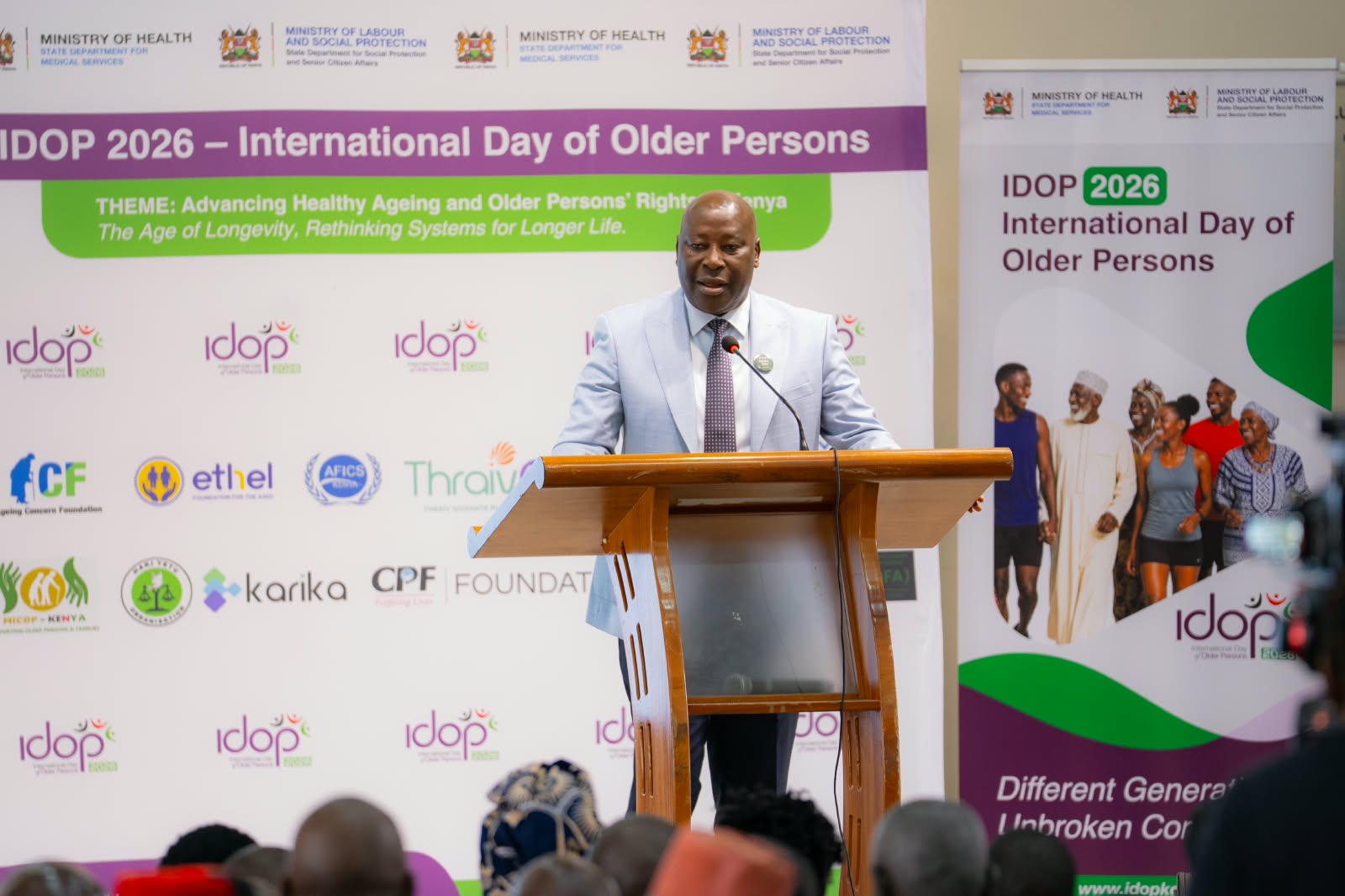
NAIROBI, Kenya, Oct 3 – Kenya has marked a monumental breakthrough in the advocacy for the rights and well-being of its senior citizens. For the first time in the country’s history, a national conference dedicated entirely to older persons was convened.
Graced by the Principal Secretary for the State Department for Social Protection and Senior Citizen Affairs, Mr. Joseph Motari, the three-day International Day of Older Persons (IDOP) 2026 conference at the Kenya Institute of Special Education (KISE), Nairobi concluded with an assurance that the Older Persons Bill, 2024, will be enacted before 2027 where he also launched the Sensitization Booklet on Older Persons and Ageing.
Developed with state and non-state actors, including older persons’ organisations, the booklet is designed to raise public awareness of ageing and the rights of older persons, and to equip stakeholders to meet their obligations towards them.
The commitments come at a pivotal moment. An estimated 3.6 million Kenyans are aged 60 and above, a number projected to triple to around 12 million by 2050, and delegates were candid that the country’s systems have not yet kept pace.
Delivering the closing remarks of Hon. Dr Alfred Mutua, Cabinet Secretary, Ministry of Labour and Social Protection, the Principal Secretary said: “Ageing is not a peripheral issue. It is a national development issue. Every generation has a stake in how we prepare for longer lives. Every family, every community and every institution will experience ageing”.
“We must also recognise that ageing is not only a social protection issue. It is closely connected to the health system, the labour market, family structures, housing, community care and social security”, stated the CS Speech.
“The Ministry will continue working with stakeholders to strengthen systems that enable older persons to live independently, participate meaningfully in society and access the services they need”.
The event was made possible through a collaboration between the Ministry of Labour and Social Protection and the Ministry of Health.
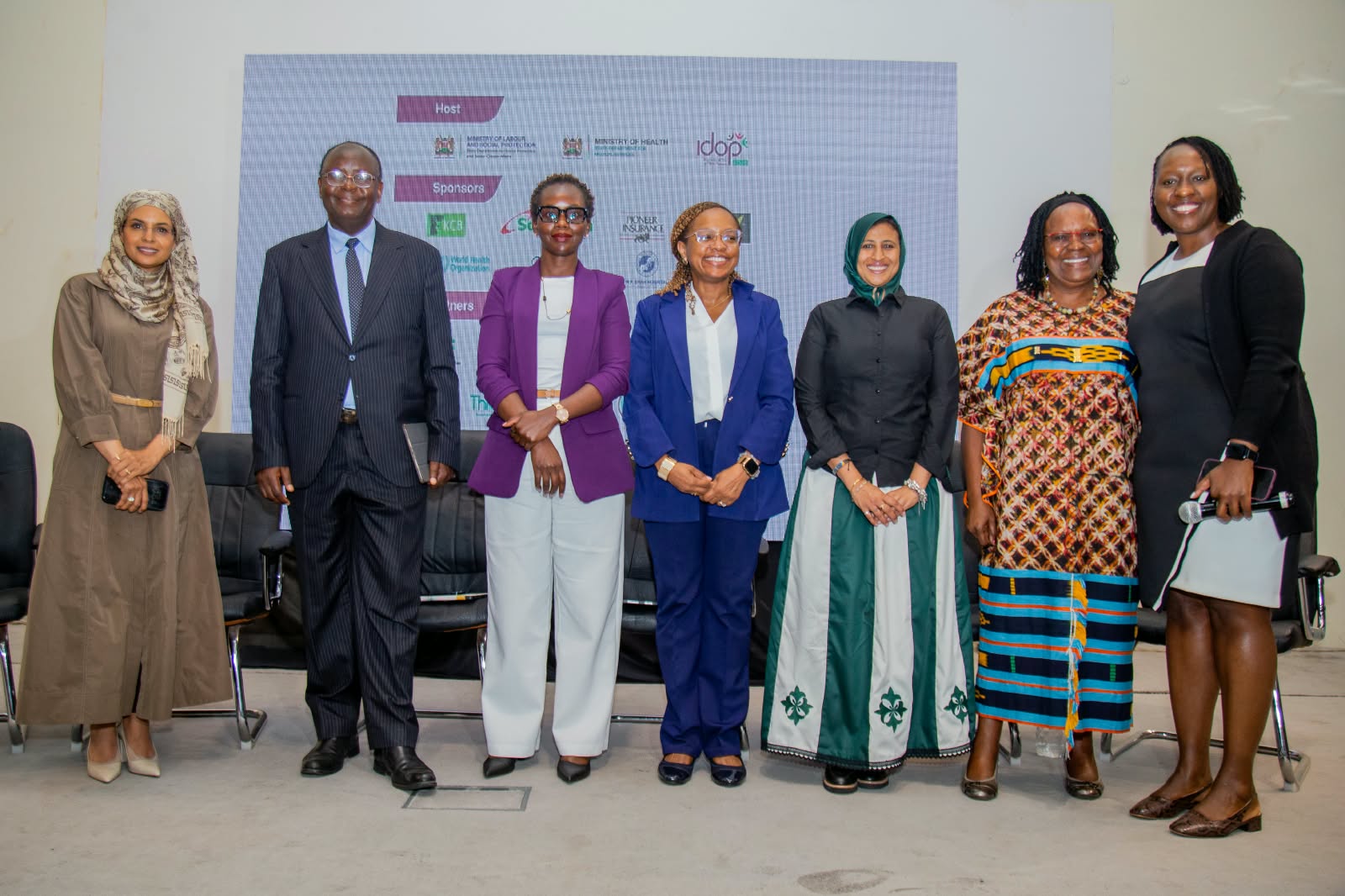
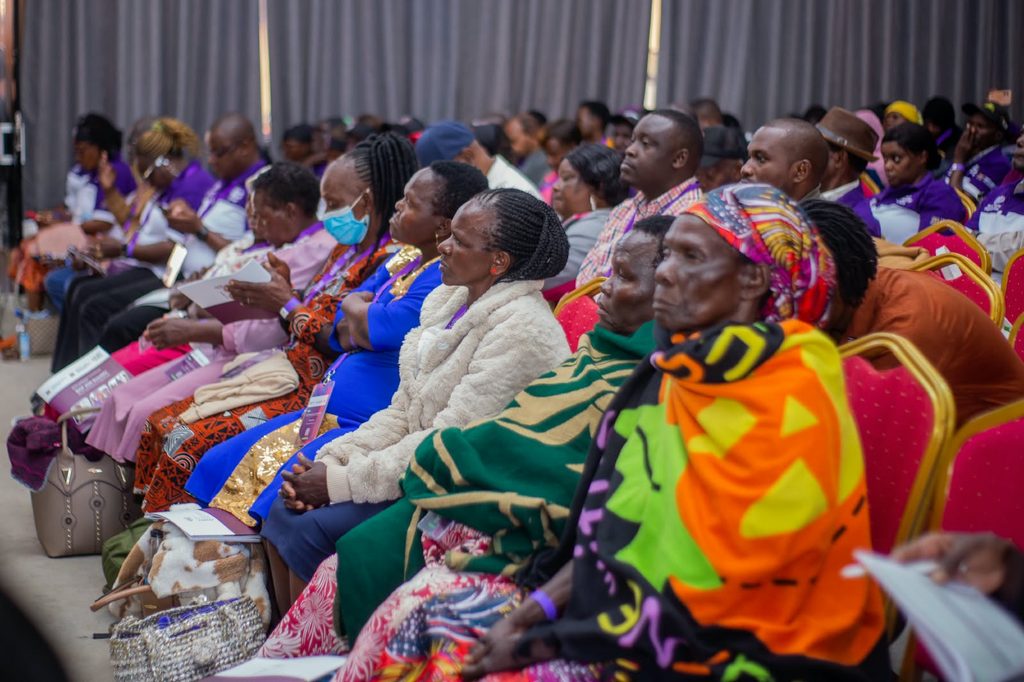
Shakira Khawaja, Founder of Suqoon an organization dedicated to the care and dignity of the elderly described IDOP 2026 as an absolute success that brought together approximately 300 older persons mobilized from counties across Kenya to Nairobi.
“Beyond a mere gathering, it provided a curated platform where senior citizens could speak directly, share their lived experiences, and actively participate in driving the agenda”.
Discussions spanned critical dimensions of healthy ageing and economic security: The Silver Economy: Exploring the financial potential, inclusion, and contributions of older adults.
Social Protection and Inua Jamii: Evaluating current safety nets and cash transfer programs.
Healthcare and Healthy Ageing: Highlights from a pre-scientific conference focused on geriatric care, long-term support, NCDs, and dementia management.
Policy and Legislation: Addressing existing legal gaps and the rights of older adults. Adding a vibrant, hands-on dimension to the program, an Intergenerational Village supported by partners and donors offered
Intergenerational Barazas: Open dialogues bridging the gap between youth and older generations.
Medical Camps and Legal Desks: On-site health screenings, legal consultation services, and sessions covering micro-insurance and financial protection.
With El Niño weather events anticipated across the region, older persons face heightened risks. Many seniors live alone or face mobility challenges, leaving them stranded during extreme weather emergencies.
While the Principal Secretary confirmed that the ministry is aware of these climate-related threats and is targeting interventions toward vulnerable communities, community-wide action is urgently required.
“Protecting senior citizens cannot rest solely on government interventions it demands an immediate, collective effort involving family members, local chiefs, Community Health Promoters, county governors, and civil society partners. Every household must look out for elderly relatives and neighbors during times of crisis”, said PS Motari.
He issued a firm warning to communities that continue to exploit and abuse older persons, insisting that they be accorded the respect they are due.
“Caring for older individuals is a shared responsibility spanning families, institutions, communities, and government. Because every person is either a caregiver today or a potential caregiver tomorrow, caring for the carers must be embedded into public policy”.
Further the PS said the Government is working to widen cash transfer coverage for older persons, and called for older persons to be included in the decisions that affect them.
As life expectancy rises, society must anticipate care needs rather than simply react to them. Kenya urgently requires a dedicated Older Persons Act to establish a comprehensive legal, institutional, and operational framework.
What an Older Persons Act Should Deliver: For Informal and Family Caregivers: Access to awareness programs, structured preparedness training, psychosocial support, respite care, capacity building, and social protection or compensation mechanisms.
For Institutional Caregivers: Government-backed technical and financial support, structured funding mechanisms, clear quality standards, and tax incentives or waivers to ensure quality, affordable, and dignified long-term care.
While the enactment of the Social Protection Act, 2025 is a commendable milestone for Kenya’s social safety systems, it falls short of granting older persons true autonomy, voice, and decision-making power over their own lives.
Having a single representative on the National Board for Social Protection is a positive gesture, but representation is not the same as self-representation and ownership.
The Social Protection Board carries a broad umbrella mandate it is not an entity created or led by older adults, nor does it place them at the center as the primary architects of their own policies.
Without an institutional structure owned and driven by older adults themselves, senior citizens remain restricted from fully enjoying:Article 10 of the Constitution of Kenya (National Values and Principles of Governance, including inclusiveness and public participation).
Article 57 of the Constitution of Kenya (The specific rights of older persons to live in dignity, pursue personal development, and be free from abuse).
Kenya needs a standalone Older Persons Act a legislation that recognizes older persons not as passive beneficiaries of welfare, but as active rights-holders.
As Kenya’s population ages, the message from the conference is clear: longer lives must be met with stronger systems, and the time to act is now.
The CS thanked all partners including SUQOON, CPF Foundation, HelpAge Kenya, Aging Dignified Kenya, Strathmore Business School, Haki Yetu Organization, Strathmore University, Ageing Dignified Kenya, CPF Foundation, HelpAge International-Kenya.
Ethel Foundation for the Aged, DUA Kenya, Naima Badhawi Foundation, Taikan Africa and Jond Enterprises for supporting the drafting, validation, editing and publishing of this sensitization booklet possible.
“Moving from mere representation to genuine, active participation is non-negotiable. Nothing about older persons should ever be decided without the meaningful participation of older persons”.
“Let us build a Kenya in which ageing is not feared, older age is not diminished, and every person can look forward to later life with health, security, dignity, purpose and opportunity.”