
Kenya confirms first imported Ebola case; patient dies in Nairobi
Health ministry traces 28 contacts and 27 fellow air passengers and crew after Bundibugyo virus case arrives from DRC via Kampala
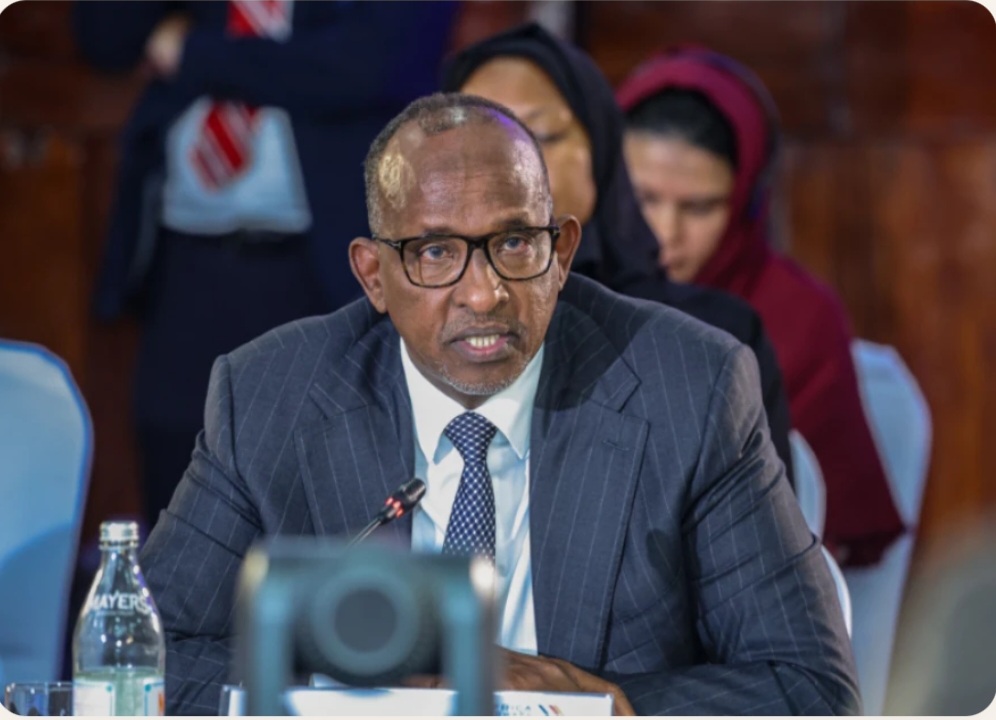
NAIROBI, Kenya, Oct 6 – Kenya has confirmed its first imported case of Ebola (Bundibugyo virus disease), and the patient has died, Health Cabinet Secretary Aden Duale announced on Tuesday.
The patient was a Kenyan citizen who had lived in the Democratic Republic of Congo for seven years. He fell ill about a month ago and was treated at several hospitals in DRC before travelling by road to Kampala, Uganda. He then boarded Jambo Jet flight 8523 and landed at Jomo Kenyatta International Airport (JKIA) at 1:10 pm on Saturday, Oct. 3.
According to the ministry, he went through routine public health screening at the port health and immigration desk. A relative and a friend then drove him from the airport in a Toyota Fielder to a Nairobi hospital. Staff quickly isolated him in a separate room in the Accident and Emergency department, and he was later moved to the East Wing Isolation Facility.
He had fever, chills, intense fatigue and weakness, muscle pain, a painful, sore throat and bleeding under the skin at injection sites. Given those symptoms and his travel history, the attending doctor suspected viral haemorrhagic fever and took a sample. It tested positive for Bundibugyo Ebola virus at both the National Virology Reference Laboratory and the KEMRI laboratory.
He was given supportive treatment but died on Monday night. The ministry offered condolences to his family and friends and said his burial would take place later on Tuesday under Ebola safe and dignified burial protocols.
Contact tracing and quarantine
Health officials have listed 28 contacts of the deceased, including family members and health workers who attended to him. They are also tracing 23 passengers and four crew members who were on the same flight. Duale said arrangements are under way to quarantine those at risk.
Surveillance since May
Duale said Kenya has stayed on high alert since the outbreak began in May. As of Oct. 6, the country had screened 652,584 travellers and tested 267 samples at five laboratories: the National Virology Reference Laboratory, KEMRI Nairobi, KEMRI Kisumu, and mobile labs at the Busia and Lwakhakha (Bungoma County) borders. Only one test has come back positive.
The ministry has trained 4,971 health workers nationally and in the counties on Ebola prevention and management, and has notified the World Health Organization under the International Health Regulations.
Public advice
Duale urged the public not to panic, saying systems are in place to limit spread. He asked Kenyans to:
- Wash hands frequently or use alcohol-based hand rub
- Avoid close contact with sick people coming from countries reporting active Ebola transmission
- Seek care at a recognised health facility if unwell
- Report anyone known to be unwell to the nearest facility
Health workers were told to be extra vigilant and to maintain the highest infection prevention and control measures regardless of the condition they are treating. The public can get official updates from Ministry of Health platforms and the toll-free line 719.