Drug Resistance Outpaces Global Health Action
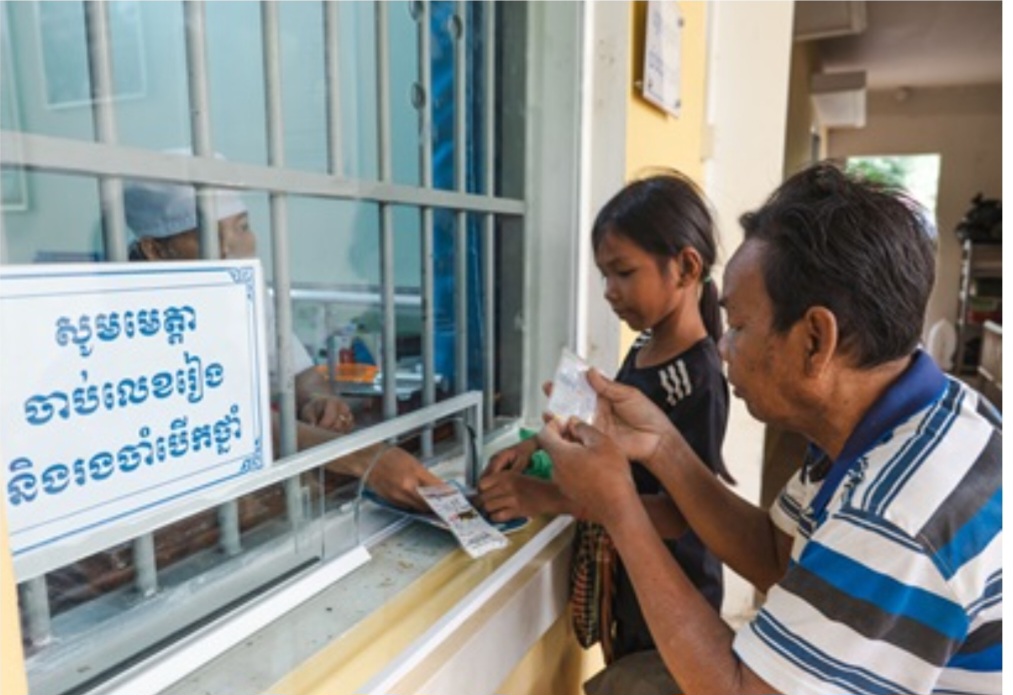
Despite growing government commitments to tackle antimicrobial resistance (AMR), millions of patients remain vulnerable to infections that are increasingly difficult to treat because of inadequate laboratory testing, limited access to appropriate medicines and poorly implemented national strategies.
A new World Health Organization (WHO) assessment reveals that although the number of countries with national AMR action plans has more than doubled since 2017, implementation remains a major challenge.The 2026 Tracking Antimicrobial Resistance Country Self-assessment Survey (TrACSS) found that 173 countries had developed national plans to address the growing threat, compared with 79 in 2017.
However, only 22 per cent reported having both the required funding and full implementation of their strategies.The findings expose a significant gap between policy commitments and the capacity of health systems to protect patients from drug-resistant infections.Antimicrobial resistance develops when microorganisms, including bacteria, viruses, fungi and parasites, become less responsive to medicines designed to treat them.
Consequently, infections can become harder to manage, increasing complications and risks during routine healthcare.The scale of the challenge is already evident. WHO estimates that approximately one in six laboratory-confirmed bacterial infections worldwide was resistant to antibiotics in 2023.
One of the biggest obstacles is the limited availability of diagnostic services capable of identifying infections and determining which medicines are likely to work.According to the assessment, only 36 per cent of countries have national reference laboratories equipped to test selected bacteria and fungi for resistance. This is considerably below the global target of 80 per cent by 2030.
The shortage of testing capacity can leave healthcare workers making treatment decisions without sufficient information about the organisms causing infections and their resistance patterns.This can contribute to inappropriate antibiotic prescriptions, delayed treatment and the continued spread of resistant infections. It also limits the ability of public health authorities to identify emerging threats and develop effective responses.Beyond laboratory capacity, countries are also struggling to establish systems that promote responsible antimicrobial use.
WHO reports that only 63 per cent of countries have guidelines on the appropriate use of antimicrobials. Meanwhile, just over half have surveillance systems capable of monitoring national antibiotic consumption and resistance trends.These shortcomings threaten efforts to preserve the effectiveness of existing medicines, particularly in health systems where diagnostic infrastructure and surveillance remain limited.
WHO Director-General Dr Tedros Adhanom Ghebreyesus said the growing number of countries with national AMR plans was encouraging but stressed that plans must translate into tangible action.He called for increased investment in infection prevention, surveillance, equitable access to essential antimicrobials and quality diagnostic services.
To support countries, WHO has introduced two new resources under its AMR Diagnostic Initiative. They include a prioritised catalogue of diagnostic tests and practical procedures to strengthen clinical laboratory capacity in bacteriology, mycology and antimicrobial susceptibility testing.
The resources are intended to help laboratories improve the identification of bacterial and fungal infections and determine their susceptibility to available medicines.The assessment, completed by 183 countries representing 94 per cent of WHO Member States, comes ahead of World AMR Awareness Week, scheduled for November 18–24.The 2026 campaign, themed “One Health, one action: Prevent AMR now”, emphasises that antimicrobial resistance cannot be addressed through human healthcare interventions alone.
It calls for coordinated action across human, animal, plant and environmental health, bringing together governments, healthcare professionals, farmers, veterinarians, environmental specialists and communities.The challenge now extends beyond getting countries to adopt national strategies.
Their ability to finance, implement and sustain interventions, while ensuring patients can access reliable diagnosis and appropriate treatment, will determine how effectively the global response protects the medicines modern healthcare depends on.