
Africa’s New Push to Make Health Data Count
African countries have agreed on a new continental framework aimed at addressing weaknesses in health information systems and ensuring that data collected across health facilities translates into better healthcare decisions, improved services and fewer preventable deaths.
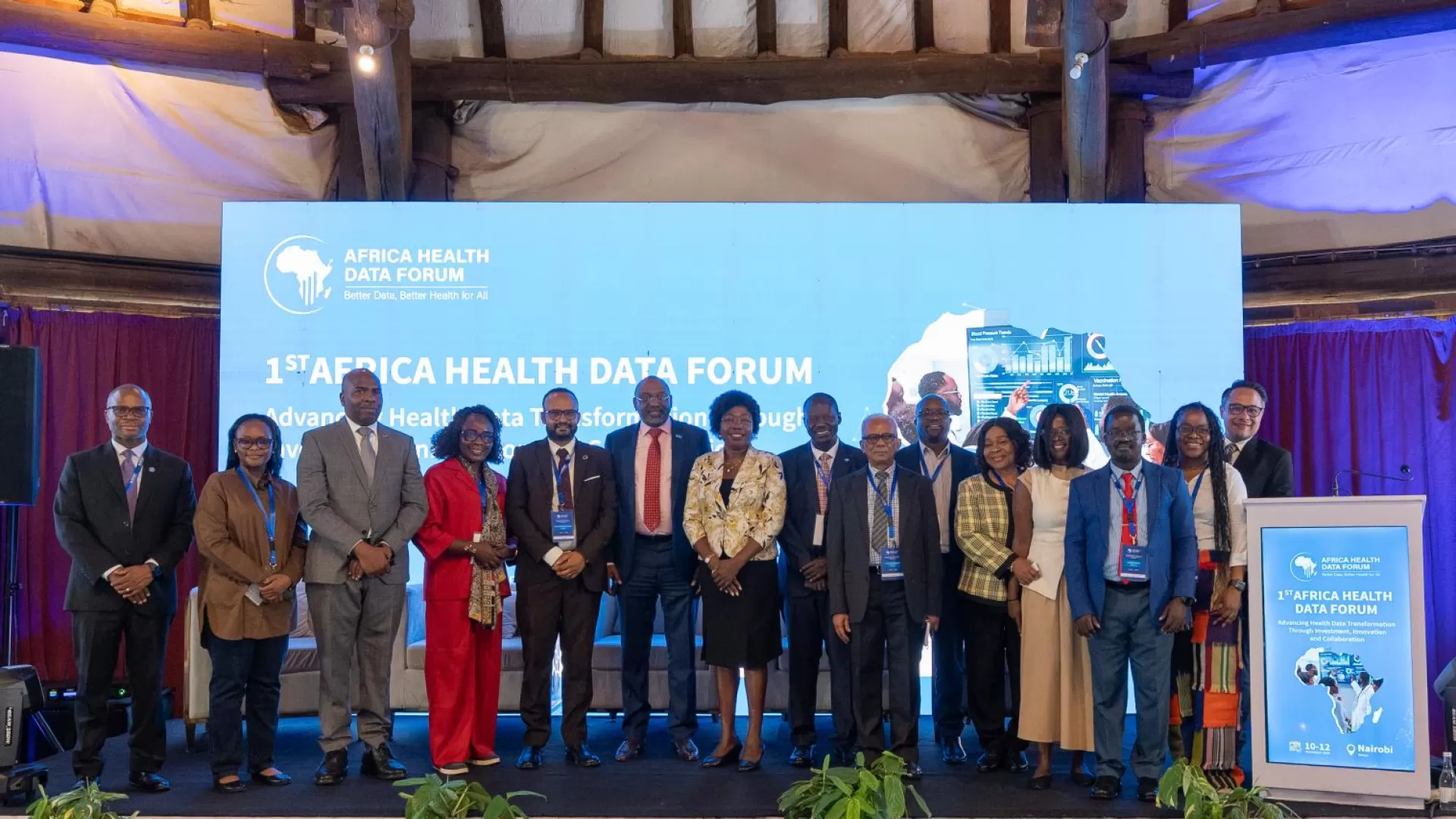
The Nairobi Health Data Action Agenda, adopted on 12 November at the conclusion of the First Africa Health Data Forum, seeks to shift the continent’s approach from simply collecting health statistics to using evidence to shape health policies, guide investments and address gaps in service delivery.
The agreement comes amid growing recognition that the availability of health data does not automatically translate into better health outcomes. Across Africa, fragmented information systems, inadequate financing, shortages of skilled personnel and limited analytical capacity continue to undermine the effective use of health information.
Although countries have made progress in digital reporting and data collection, significant gaps remain in connecting information systems and ensuring that evidence reaches the people responsible for making healthcare decisions.
The scale of these weaknesses is highlighted in two reports released by the World Health Organization (WHO) during the forum.
An assessment of health information systems across 40 African countries found an overall maturity score of 59 out of 100, pointing to persistent challenges in governance, financing and the capacity to analyse and use health information.
A second assessment, drawing on the SCORE 2025 evaluation of 52 countries, found that none had achieved the highest level of sustainable capacity for effectively using health data and evidence in policy development and implementation.
These findings have strengthened calls for African governments to rethink how health information is managed, financed and incorporated into national healthcare systems.
Under the Nairobi Action Agenda, countries have identified eight priority areas, including stronger national leadership, sustainable domestic financing, improved data quality and the integration of fragmented information systems.
The commitments also place emphasis on developing a skilled health information workforce and promoting the responsible application of digital technologies and artificial intelligence in healthcare.
Another priority is ensuring that health evidence becomes part of routine decision-making, particularly when governments are planning healthcare investments, allocating resources and determining where services are most urgently needed.
Speaking during the announcement, Dr Abdurahmane Diallo, Director of Programme Management at WHO’s Regional Office for Africa, said the commitments must translate into practical investments that countries can finance, implement and measure.
He emphasized that investments in health information systems should ultimately produce tangible improvements in people’s lives through stronger health services and better health outcomes.
The three-day forum, convened by WHO in collaboration with partners, brought together health ministers, government representatives, WHO leadership and development partners to examine the continent’s information system challenges and agree on practical interventions.
Experiences shared by Ethiopia, Rwanda, Kenya and Egypt demonstrated how digital technologies and stronger information systems can support health planning and service delivery.
However, translating these experiences into continent-wide improvements will require sustained government ownership and financing rather than dependence on fragmented partner-supported initiatives.
To move from commitments to implementation, participating countries agreed to identify their national priorities and incorporate them into existing health strategies and costed investment plans.
Governments and development partners also committed to aligning financial and technical support with national priorities, reducing duplication and strengthening country ownership of health information systems.
Implementation will be tracked through a continental results, monitoring and accountability framework extending to 2030. Countries will conduct annual reviews to assess progress and determine whether investments in health information are resulting in better decisions and measurable improvements in healthcare delivery.
The Africa Health Data Forum will also become a biennial platform for reviewing implementation and strengthening cooperation, with the next meeting scheduled for 2028.
For Africa, the Nairobi agreement presents an opportunity to address a longstanding weakness in healthcare planning: the disconnect between information collected and decisions made.
Its ultimate success, however, will depend on whether governments can move beyond adopting continental commitments to financing functional systems, strengthening local expertise and ensuring that reliable information informs healthcare delivery across all communities.
The challenge is no longer simply gathering more health data, but ensuring that the information collected helps determine who receives care, where resources are directed and which preventable health challenges require urgent attention.