Nairobi Trust Summit Adopts 29-Point Call to Action, Proposes UN Global Trust Facility
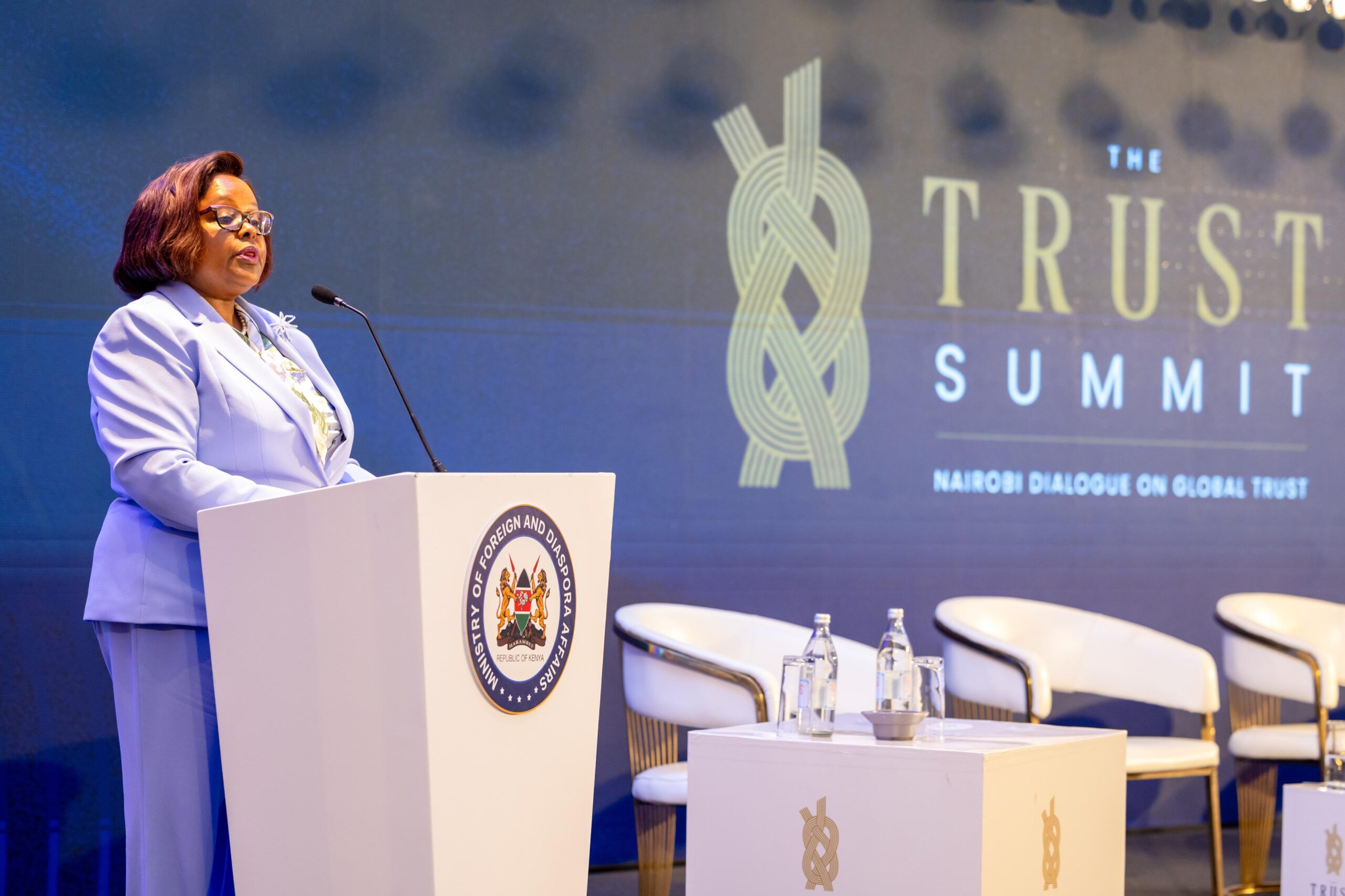
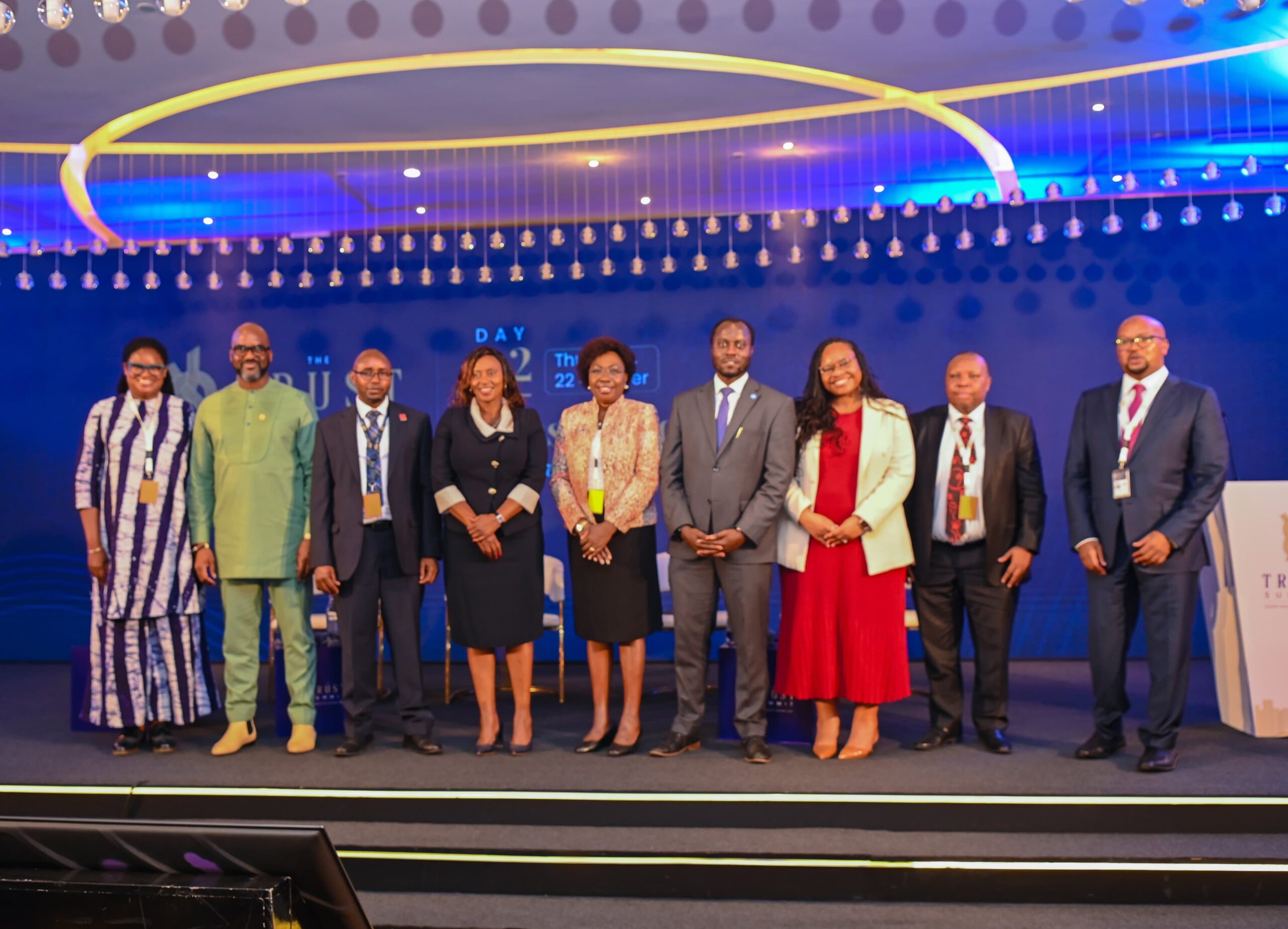
NAIROBI, Kenya, Oct 23 – The inaugural Trust Summit 2026 concluded today in Nairobi with the adoption of the historic Nairobi Call to Action on Global Trust.
The 29-point agreement proposes ambitious new international mechanisms aimed at restoring faith in public institutions, reforming global governance, and financing initiatives to bridge the growing worldwide trust deficit.
Held from October 21 to 23 under the theme “Weaving Trust: Binding Strands for a Stronger Global Order,” the three-day summit convened world leaders, international organizations, business executives, civil society, tech experts, media representatives and youth leaders to address how institutional erosion threatens global stability, economic progress and peace.
Three Major Global Mechanisms Proposed, To sustain momentum beyond the conference, the Nairobi Call to Action establishes three foundational structures:
Coalition on Global Trust: An open cross-border platform for governments, businesses, and non-state actors to coordinate initiatives and share best practices.
Nairobi Trust Council: A Kenya-hosted body bringing together eminent public, private, and philanthropic leaders to monitor progress and enforce accountability.
Global Trust Facility at the UN: A proposed voluntary, four-year financing mechanism administered by the United Nations Development Programme (UNDP) to fund national regulatory indices, data protection agencies, cybersecurity authorities, and judicial reform.
“Trust is a public good that must be deliberately nurtured, financed and strengthened. The true measure of this Summit will be the commitments we translate into tangible outcomes for our citizens,” stated Korir Sing’Oei, Principal Secretary in Kenya’s State Department for Foreign Affairs.
Four Priority Pillars of the 29-Point Framework, The summit’s core outcome document outlines four interconnected pillars designed to turn policy commitments into measurable results:
Restoring Trust in Public Institutions
● Regulatory Trust Index: Establishes an annual index at national, regional, and global levels to measure public confidence in regulators.
● Regional Cooperation: Encourages mutual recognition and harmonization across trade blocs like the East African Community (EAC) and the African Continental Free Trade Area (AfCFTA) to eliminate burdensome compliance barriers.
● Subnational Peer Reviews: Promotes local peer-review mechanisms to foster transparent governance.
Reforming Multilateral and Financial Architecture
UN Charter Reform: Calls for a formal review conference under Article 109 of the UN Charter to make international bodies more representative, accountable, and transparent.
Global Health and Climate Finance: Demands equitable access to medical countermeasures, stronger health governance, and predictable climate finance paired with technology transfers for vulnerable nations.
Strengthening Trust in the Digital Age
● AI Governance and Platform Transparency: Urges rapid implementation of the Global Digital Compact, algorithmic transparency, and guardrails against synthetic content and disinformation.
● African Digital Leadership: Demands meaningful African participation in setting global AI and digital rules, while safeguarding independent journalism and scientific integrity.Advancing Inclusion and Social Cohesion
● Youth and Excluded Groups: Mandates meaningful participation for young people, women, persons with disabilities, and displaced communities in decision-making processes.
● Economic Access: Recommends expanding financing, entrepreneurship, and job opportunities for youth, while tapping into sports, culture, and the creative economy to foster unity.
Africa’s Role in Global Governance, The agreement highlights Africa’s position as an equal partner in shaping the future of international trade, digital governance, and global public goods.
With nearly 70% of Sub-Saharan Africa’s population under age 30, leaders emphasized that young people must act as co-designers of policy rather than passive beneficiaries.
Implementation and Next Steps
The Summit Secretariat is set to release a comprehensive Framework for Action featuring biennial tracking and reviews.
Additionally, the Call to Action encourages bodies like the United Nations Conference on Trade and Development (UNCTAD) to publish a biennial study measuring the direct economic costs of distrust.
The Nairobi Trust Summit will meet biennially, with regional and international “Trust Dialogues” expanding ahead of the next gathering.“The Nairobi Call to Action moves the world from diagnosing the trust deficit to doing something about it,” said Awel Uwihanganye, CEO of the Trust Summit.
“Trust is a global public good, and no institution, sector or country can rebuild it alone.”