Trust, Transparency Called Key to Kenya’s Ebola Preparedness
By John Toris
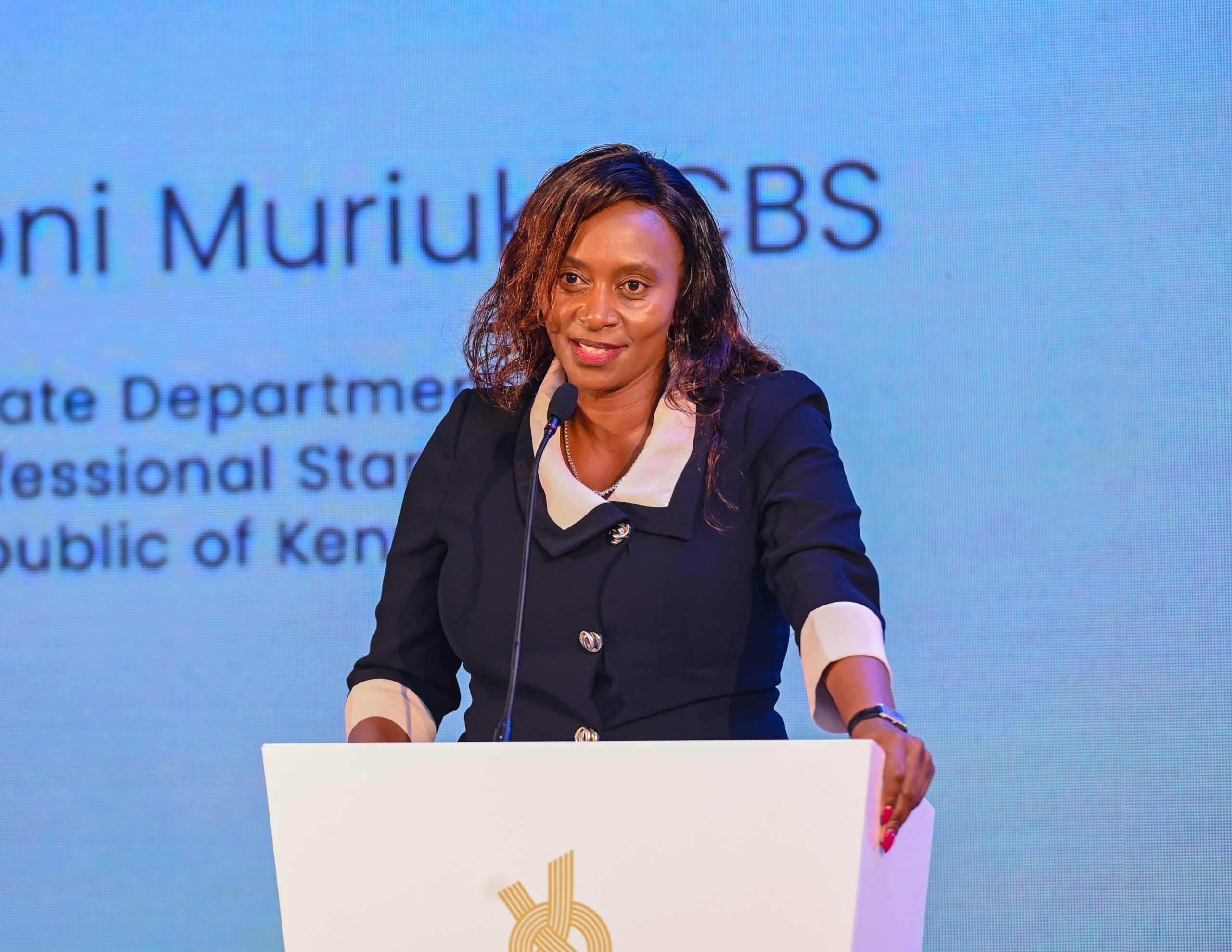
PHOTO: Public Health PS Mary Muthoni addressing delegates during the Trust Summit in Nairobi.
NAIROBI, Kenya, Oct 23 – Health leaders meeting in Nairobi have warned that Kenya’s investments in laboratories, healthcare workers and emergency systems will deliver limited results unless communities trust the institutions protecting their health.
Speaking on Day Two of the Trust Summit, government officials and global health experts said public confidence must be built before a crisis strikes rather than improvised during an emergency.
Mary Muthoni Muriuki, Principal Secretary in the State Department for Public Health and Professional Standards, said timely access to accurate information was essential to preventing confusion and misinformation.
“People can handle difficult news, but they cannot accept being kept in the dark,” she said, stressing the need to explain the difference between an imported Ebola case and an outbreak and to clarify measures such as quarantine and isolation.
She said Kenya had trained more than 5,000 healthcare workers, strengthened laboratory capacity and improved surveillance and emergency response coordination.
Muriuki also urged the international community to support countries that promptly report health threats, arguing that “countries that report quickly and honestly should be met with support, not sanctions.”
Prof Yap Boum II, Head of the Emergency Preparedness and Response Division at Africa CDC, said no country could independently possess all the information needed to manage a regional emergency.
Drawing lessons from eastern Democratic Republic of Congo, he said resistance to public health interventions could reflect years of institutional disappointment.
“What we sometimes describe as community resistance may actually reflect our failure to meet community expectations,” he said, calling for village chiefs, women and young people to play central roles in surveillance and response planning.
Dr Neema Rusibamayila Kimambo, Acting WHO representative to Kenya, warned that misinformation and geopolitical tensions were straining international cooperation.
“The legitimacy of institutions such as the World Health Organization cannot rest on mandates alone. It must be demonstrated through scientific integrity, transparent decision-making, accountability and tangible results,” she said.
US Chargé d’Affaires Susan M. Burns said Kenya was the first country to sign a bilateral health agreement under a new model emphasising national ownership, with the United States providing USD 1.6 billion alongside USD 850 million in Kenyan investment.
Abbas Gullet, Chairperson of the Kenyatta National Hospital Board, said trust in leadership and financial transparency had helped mobilise more than Sh500 million from private partners for ward refurbishment.