
The lives Africa’s Health Data Cannot See
NAIROBI, Kenya,Nov 10 – Africa is moving towards a future where healthcare decisions are increasingly informed by digital records, real-time surveillance and interconnected health information systems.
Governments are investing in technology to improve service delivery, track disease outbreaks and identify populations that have historically been excluded from essential healthcare. But beneath this transformation lies a difficult question: can the continent turn its growing wealth of health information into decisions that prevent people from dying?
The challenge is not necessarily the absence of technology. It is the gap between collecting information and using it to change outcomes. Across the continent, governments are increasingly digitising healthcare services, yet significant weaknesses remain in death registration, disease reporting, health financing and the ability to translate evidence into public policy.
The consequences are particularly serious for women, newborns and children, whose access to essential healthcare often depends on whether governments can identify where services are failing and respond before preventable complications become fatal.
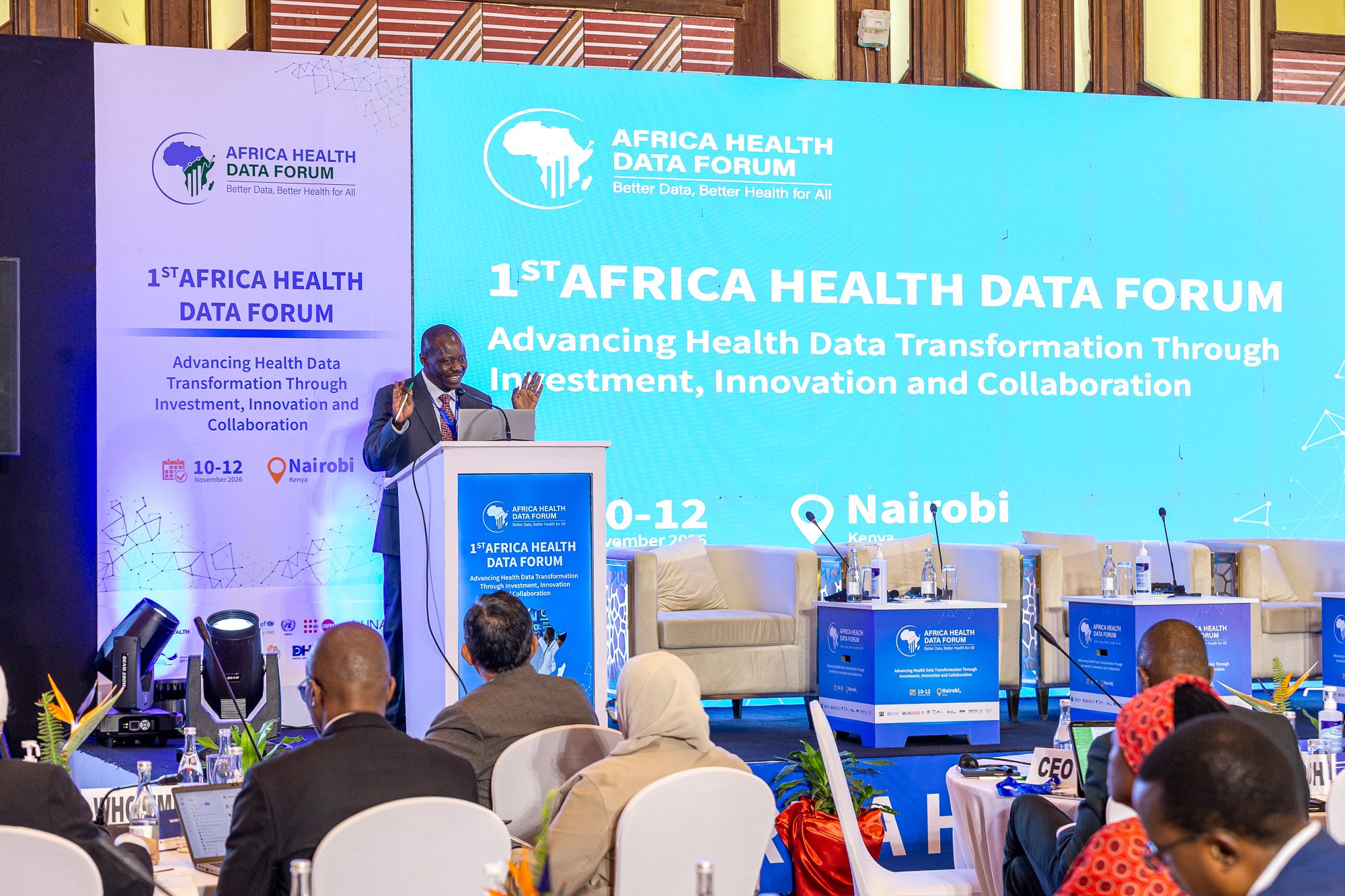
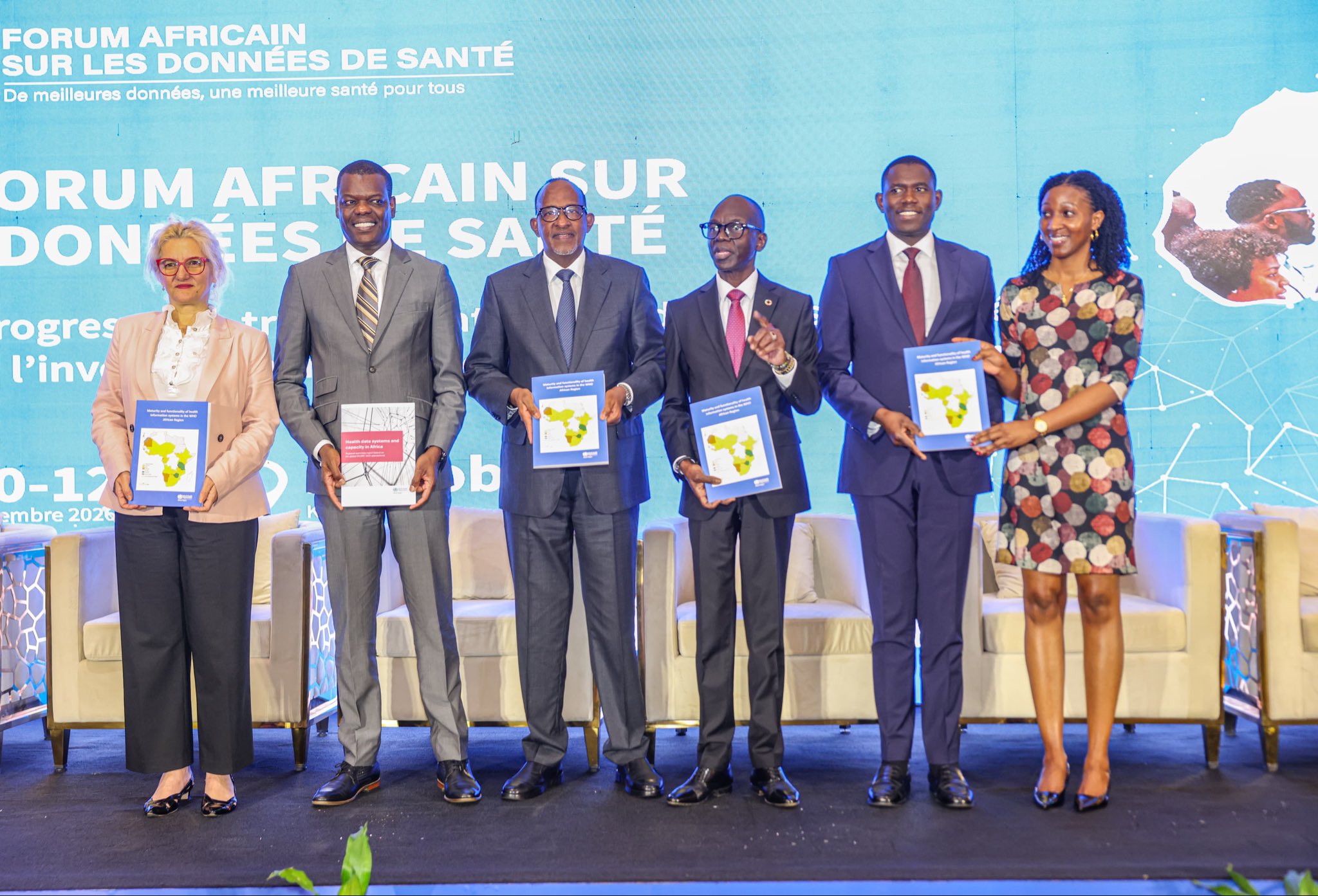
The concern emerged during the Africa Health Data Forum, where World Health Organization Regional Director for Africa Dr Mohamed Janabi presented findings from two reports examining the capacity of African health information systems to support decision-making.
The findings revealed that while digital adoption is advancing, the continent continues to struggle with the fundamental task of accounting for deaths and understanding their causes. Only 19 of the 40 countries assessed notify authorities of at least 80 per cent of deaths, while only 21 meet the corresponding threshold for reporting deaths by cause.
For governments, this creates a serious policy problem. Without comprehensive mortality information, the true burden of disease and preventable deaths can remain underestimated. Health authorities may know that deaths are occurring, but lack the detailed information required to establish patterns, identify underserved populations and determine where interventions are most urgently needed.
Janabi highlighted another contradiction in the findings. Although 43 of the 47 WHO African Region member states have adopted digital platforms for routine health information management, only 18 have dedicated budgets to sustain these systems.
The second report showed that 49 of the 52 countries assessed have developed or advanced capacity to review health system performance. However, none has attained the highest level of capacity to use evidence in policymaking and action.
This suggests that Africa’s health information challenge has entered a different phase. The priority is no longer simply introducing digital platforms but ensuring that information collected across health facilities, communities and national institutions influences the decisions that determine who receives healthcare, where resources are allocated and how emergencies are addressed.
Kenya is positioning its digital health transformation as an example of how countries can begin closing this gap.
Health Cabinet Secretary Aden Duale said the country’s digital infrastructure is increasingly enabling policymakers to access information about healthcare delivery across facilities. He explained that the system generates daily information on maternal deliveries, Caesarean sections, maternal deaths, neonatal deaths and stillbirths.
For maternal healthcare, this could represent an important shift in how governments monitor the performance of maternity services. Instead of relying exclusively on periodic reports, health authorities can increasingly access information about what is happening within facilities and use it to identify areas requiring attention.
However, the real measure of progress will be whether these records translate into timely interventions for women experiencing pregnancy complications, particularly in facilities with limited emergency obstetric capacity.
The ability to identify patterns in maternal deaths could help governments investigate why women are dying, whether facilities have adequate skilled personnel and whether essential services such as emergency blood transfusions and surgical interventions are accessible.
Duale said the digital transformation has also reduced dependence on physical patient files, with healthcare workers increasingly using tablets to access medical information. He cited Kenyatta National Hospital as an example of a facility embracing digital patient records.
He further explained that Kenya has introduced systems to strengthen the identification of healthcare providers, medicines and health facilities. The government has more than 11,000 public, private and faith-based facilities linked to the Social Health Authority, while digital applications are being used to improve the verification of facilities and medical practitioners.
The significance of these developments extends beyond administrative efficiency. Reliable information about facilities, practitioners and medicines is essential to ensuring that patients receive services from legitimate providers and that healthcare resources are directed towards functioning institutions.
Yet the question remains whether the same digital infrastructure can adequately capture the experiences of people who rarely interact with formal health facilities.
For women delivering outside hospitals, children missing routine immunisation and communities living far from health centres, digital health transformation risks becoming an incomplete picture of the population it is intended to serve.
UNICEF Regional Director for Eastern and Southern Africa Eileva Kadili raised this concern through the experiences of children who remain outside official health information systems.
She explained that zero-dose children are often concentrated in zero-dose communities, particularly in countries experiencing conflict. These children may be physically present in their communities but remain unidentified in the records governments rely on to plan vaccination services.
The problem is particularly significant because immunisation programmes depend on accurate population information. Governments need to know how many children are eligible for vaccination, where they live and which communities have not been reached.
When birth registration, vaccination records and other essential services operate independently, identifying children who have missed critical interventions becomes more difficult.
Kadili argued that connecting these systems would help governments follow a child’s development from birth through education and other stages of life, strengthening protection and access to essential services.
Kenya is seeking to address this through the digitisation of birth certificates and the introduction of digital identification for children from birth.
Duale said the government intends to use these systems to identify children who have not received routine vaccinations, including those in remote communities. He described a system where health authorities could identify unvaccinated pupils within individual classrooms and direct vaccination services towards them.
The ambition is to move immunisation planning beyond national coverage estimates towards identifying individual children and communities that remain unreached.
But the success of such an approach will depend on the accuracy of registration systems, the protection of children’s personal information and the ability of healthcare workers to reach those identified.
The importance of reliable health information becomes even more apparent during infectious disease outbreaks, where delays in identifying cases can undermine response efforts.
Janabi pointed to the Ebola situation in the Democratic Republic of the Congo, particularly the challenges facing eastern parts of the country, where insecurity has disrupted healthcare delivery and complicated surveillance activities.
He described how attacks on health facilities and difficulties accessing communities have affected efforts to collect information, engage populations and strengthen disease control.
The geographical scale of the challenge is considerable. Janabi noted that travelling from Kinshasa to Bunia can take approximately ten days by road, illustrating the logistical difficulties involved in coordinating a response across the country.
He cautioned against generalising the situation in eastern DRC to the entire country’s health system, noting that the outbreak response is taking place in a particularly challenging environment.
For disease surveillance, the consequences of restricted access are significant. Health authorities depend on information from communities, health facilities and laboratories to identify suspected infections, confirm cases and monitor transmission. When those channels are disrupted, the ability to establish the extent of an outbreak and respond quickly becomes more difficult.
Janabi said WHO had deployed approximately 400 experts to support the response and called for a temporary humanitarian truce to allow medical teams from WHO, Africa CDC, UNICEF and other partners to reach affected communities.
His concerns also extended to the financial resources required to sustain outbreak preparedness. He acknowledged that funding gaps remain, emphasising that financial pledges do not necessarily translate into resources reaching health workers and communities on the ground.
This raises a wider concern about the sustainability of Africa’s health information infrastructure. Digital surveillance cannot be strengthened through temporary investments alone. Countries require reliable funding for laboratories, trained personnel, equipment, connectivity and the maintenance of information systems.
It was this financing question that UNECA representative Aboubakri Diaw brought into the discussion, challenging governments to place health financing at the centre of conversations about digital transformation.
Diaw argued that health ministers cannot independently commit governments to ambitious reforms without involving the ministries responsible for allocating national resources.
He warned that many African countries are implementing reforms that remain heavily dependent on external financing, exposing them to the risk of disruption when donor support declines.
His remarks highlighted the wider economic pressures facing governments. According to figures he presented, approximately 25 per cent of African countries spend more on debt servicing than they can afford, while between 20 and 30 per cent of public budgets are lost through inefficiencies.
He also questioned whether governments were adequately financing the healthcare commitments they make, arguing that the conversation must move beyond the health sector and involve finance ministries.
The issue is particularly important for countries investing in digital health platforms. Establishing an electronic medical records system or disease surveillance platform requires more than purchasing software. Governments must continuously finance infrastructure, technical support, cybersecurity, personnel training and the integration of different systems.
Without predictable domestic financing, countries risk establishing digital platforms that cannot be maintained over time.
Janabi reinforced the need for sustainable financing, encouraging African governments to explore debt-for-health arrangements and other mechanisms that could release resources for public health investments.
Beyond financing, the forum also raised questions about who controls health information and how countries can exchange data while protecting national interests and patient confidentiality.
Duale maintained that Kenya’s international health cooperation agreements operate within the country’s constitutional and legal frameworks, including the Data Protection Act and Digital Health Act.
The discussion reflects a growing need for African countries to balance international health cooperation with data protection, national ownership and public confidence in digital systems.
For Janabi, regional cooperation is equally important because health threats do not stop at national borders. He encouraged countries to share information and learn from one another’s experiences, arguing that improvements in one country’s health system could provide useful lessons for others.
He also cautioned against imposing blanket travel restrictions and trade measures on countries that report disease outbreaks, arguing that early reporting should attract international solidarity rather than punishment. Such measures, he warned, could discourage governments from promptly reporting outbreaks and undermine the principles of international health cooperation.
Ultimately, the Africa Health Data Forum exposed a challenge that extends beyond digital innovation. The continent is increasingly capable of generating health information, but the institutional, financial and operational capacity to turn that information into measurable improvements remains uneven.
For maternal healthcare, the difference could be whether a health facility identifies a pattern of preventable deaths and receives the resources needed to address it. For children, it could determine whether those missing from vaccination programmes are identified and reached. During disease outbreaks, it could influence how quickly health authorities detect infections and prevent further transmission.
Africa’s digital health transformation therefore faces a test that cannot be measured by the number of platforms adopted or databases established. Its success will depend on whether governments can use the information they collect to reach people who have historically remained outside healthcare systems.
As Janabi emphasised, reliable information must lead to earlier action, better care and fewer preventable deaths. The challenge now is ensuring that the continent’s investment in digital healthcare delivers precisely that outcome.
Because the future of African healthcare will not be determined by how much data countries collect, but by how many lives they manage to save with it.