
Faith Leaders Warn Against Shifting HIV, TB and Malaria Funding Burden to Communities
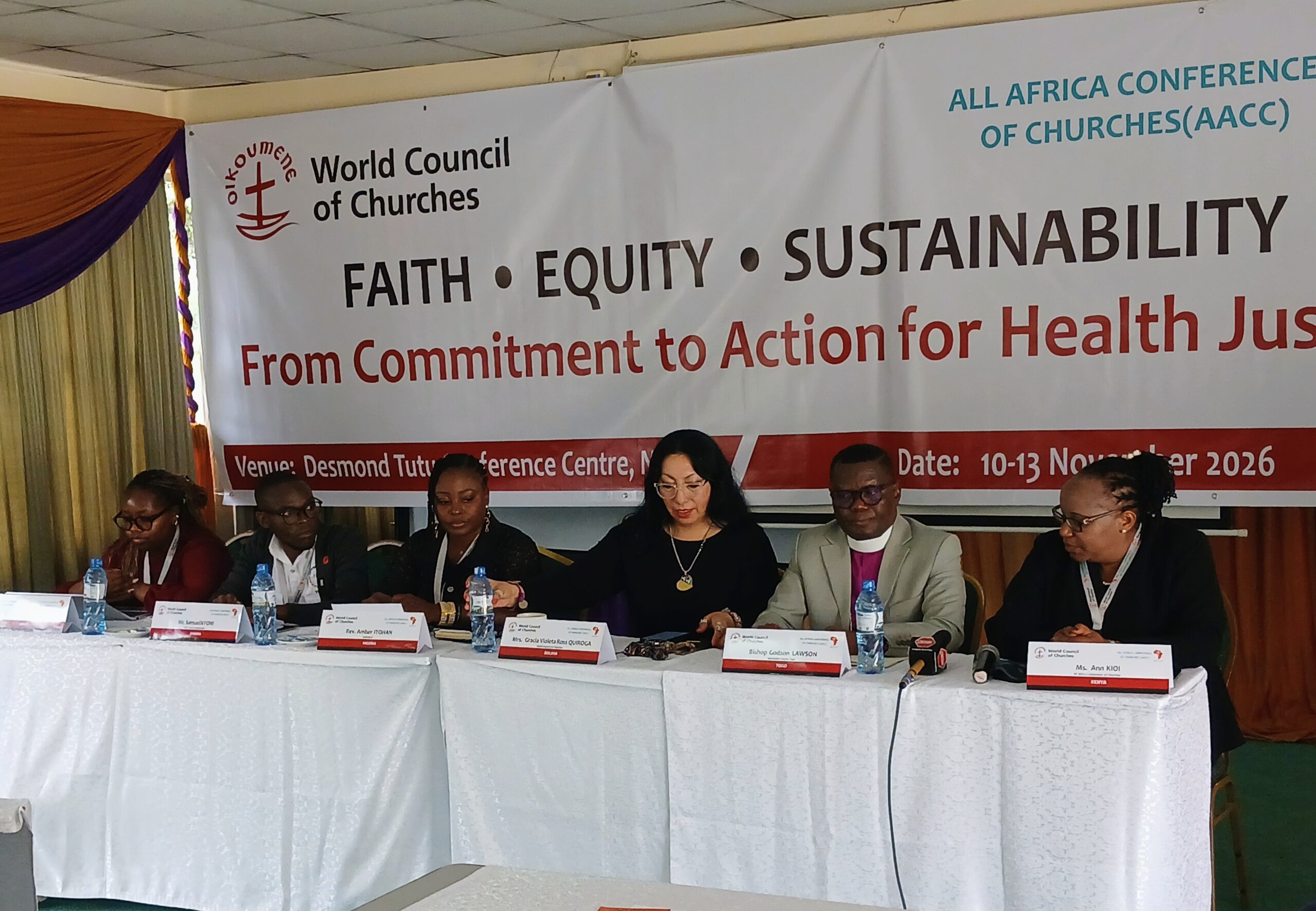
PHOTO: Members of the World Council of Churches (WCC) and the All-Africa Conference of Churches (AACC) addressing the media after the Second Think Tank on Sustainable Financing and Global Fund Advocacy in Nairobi, Kenya.
NAIROBI, Kenya, Nov 13 – Faith leaders and representatives of communities affected by HIV, tuberculosis (TB) and malaria have warned that growing pressure on global health financing could reverse decades of progress unless governments and international partners protect funding for essential health programmes.
Held in Nairobi from 10 -12 November 2026, The leaders called for renewed political commitment and sustained investment in the three disease responses, cautioning that the push for domestic health financing must not become a pathway for international donors to withdraw support prematurely.
Their concerns come amid mounting pressure on international assistance, rising public debt and constrained government budgets, which threaten the continuity of health interventions that have saved millions of lives over the past two decades.
At the centre of their appeal is the argument that sustainability should mean strengthening existing health systems and partnerships rather than transferring financial responsibilities to already vulnerable communities.
“Sustainability must not become a justification for withdrawing international solidarity. It is not an exit strategy from partnership but rather the ultimate test of our solidarity and shared responsibility,” said Reverend Amber Itohan.
The faith leaders, civil society organisations, young people and affected communities argued that while governments must increase domestic investment in health, international partners must continue honouring their commitments, particularly as countries prepare for the Global Fund’s eighth grant cycle.
They called on donors to translate their financial pledges into actual resources, warning that delayed disbursements could disrupt programmes serving populations disproportionately affected by the three diseases.
However, the leaders stressed that the consequences of financing gaps would extend beyond hospitals and treatment facilities, potentially weakening the community networks that have sustained prevention, awareness and access to healthcare.
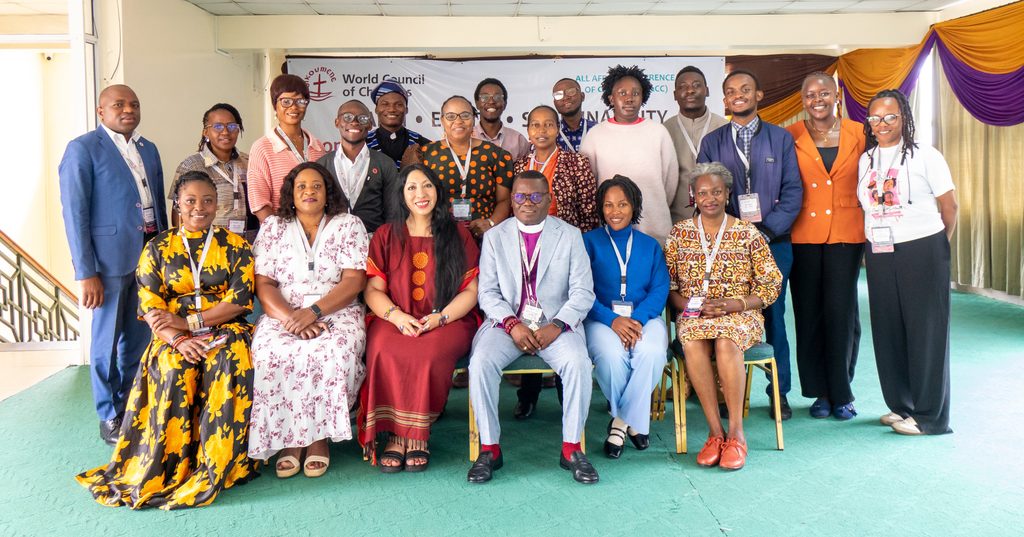
Jerop Limo, representing affected communities and young people, said community structures had become an essential part of the HIV, TB and malaria response, connecting health facilities with populations that might otherwise struggle to access services.
She noted that community members had taken up responsibilities as peer educators, mobilisers and advocates, often sustaining prevention and support programmes at the grassroots level.
“We are not asking to be carried. We are actually asking to be recognised, resourced with money, trusted and given the power to influence decisions that directly affect our lives,” Limo said.
She warned that reducing support for these structures while demanding sustainable health responses would undermine the foundations upon which many interventions had been built.
“We cannot talk about sustainability while weakening the very community that has made this response work for decades,” she added.
The concerns also extend to the governance of health financing, with the leaders demanding greater representation of faith-based organisations, civil society and affected populations in Country Coordinating Mechanisms (CCMs) and other national decision-making platforms.
They argued that communities should not merely implement health programmes but also participate in determining priorities, allocating resources and monitoring whether governments and development partners deliver on their commitments
The call comes as countries prepare to make difficult funding and resource-allocation decisions under the Global Fund’s Grant Cycle 8, raising questions about which interventions will receive protection as financial pressures intensify.
Bishop Godson Lawson, presiding bishop of the Methodist Church of Togo, placed particular emphasis on prevention, arguing that religious institutions must play a stronger role in mobilising communities and resources to reduce new HIV infections.
“Prevention is the key point today because people are still being infected in our communities,” Lawson said.
His remarks highlighted the continued importance of community-based prevention, particularly as religious institutions remain influential platforms for public awareness, engagement and addressing stigma surrounding HIV.
Beyond financing, the leaders called for equitable access to emerging health technologies, including new prevention tools, diagnostics and treatments, warning that scientific progress would have limited impact if innovations remained unaffordable or inaccessible to vulnerable populations.
They also urged governments to protect health budgets, strengthen domestic resource mobilisation, uphold human rights and address stigma and discrimination, while ensuring that community-led monitoring and services for marginalised populations remain adequately funded.
The declaration aligns with the Global Fund Strategy 2023–2028 and the 2026 Political Declaration on HIV/AIDS, both of which emphasise sustainability, country ownership, human rights and community leadership in efforts to end the three diseases as public health threats.
For the faith leaders, however, the central test of these commitments will be whether they translate into resources reaching the communities that need them.
They committed to working alongside affected populations, advocating for sustainable health financing and holding governments and international partners accountable for their health commitments.
Their message was clear: the transition towards greater domestic ownership must strengthen, rather than dismantle, the partnerships and community systems responsible for sustaining progress against HIV, TB and malaria.
The time for pledges has passed. The time for action is now.