
African Pastoralist Gathering Convenes in Nairobi to Set Global Agenda for 2026
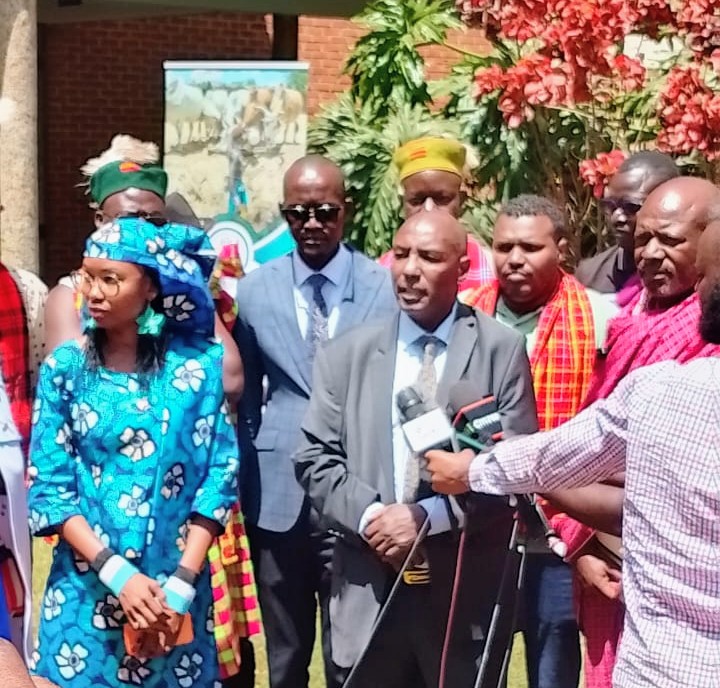
NAIROBI, Kenya, Jan 26 – Ahead of the United Nations’ International Year of Rangelands and Pastoralists (IYRP 2026) Kenya is hosting the African Indigenous Pastoralists Gathering from January 25 – 29, 2026 at the Kenya School of Monetary Studies in Nairobi.
Bringing together a diverse assembly of approximately 100 stakeholders, this regional summit unites voices from across the North, West, Central, Southern and East African corridors, Facilitated by a strategic partnership between IMPACT Kenya, AFPAT, NDMA and the State Department for ASALs and Regional Development the forum is designed to crystallize a cohesive continental position on pastoralism.
By harmonizing local perspectives into a single, powerful narrative, the delegation aims to influence the global environmental discourse at upcoming high-level negotiations, most notably the UNCCD COP17.
The urgency of the gathering is underscored by the vital role pastoralism plays in global sustainability; an estimated 258 million people practice this livelihood across 43% of the African continent.
Often overlooked as climate heroes, African pastoralists practice a sophisticated form of regenerative land management that maintains the structural integrity of vast savannas and grasslands.
By facilitating seasonal migrations, they prevent overgrazing and stimulate plant regrowth, a process that enhances soil health and enables these ecosystems to function as critical carbon sinks.
Additionally, Despite these contributions to food sovereignty and environmental health, these communities face escalating threats from climate change, biodiversity loss, and land-use conflicts that undermine traditional governance and economic stability.
A primary pillar of the assembly is the radical inclusion of marginalized perspectives in the design of climate adaptation strategies, recognizing that environmental stressors do not affect all community members equally, It underscores that while pastoralists as a whole are on the front lines, women, youth, and persons with disabilities (PWDs) face unique systemic barriers that often exclude them from land-tenure discussions and resource management.
By prioritizing these intersectional narratives, the gathering aims to dismantle the “one-size-fits-all” approach to development, advocating for tailored interventions that empower the most vulnerable to lead in the stewardship of their ancestral lands.
Further, By documenting compelling stories of resilience and developing common policy positions the gathering aims to ensure that those who contribute the least to the climate crisis can finally access the financial resources and social protections necessary to sustain their stewardship of the environment.
The five-day event concludes with a field visit on January 28 to indigenous pastoral communities in Suswa, Narok County with the visit designed to foster peer learning and grounded dialogue, showcasing pastoralism as a sophisticated cultural identity and a viable biodiversity conservation model.
As the summit concludes, stakeholders anticipate the ratification of a unified policy framework that bridges the gap between grassroots pastoralist communities and international climate negotiators.
This collaborative milestone aims to institutionalize the role of mobile herders in global sustainability agendas, ensuring their traditional ecological knowledge is integrated into national biodiversity strategies.
By formalizing these alliances, the coalition seeks to amplify the voices of marginalized rangeland stewards, transforming fragmented local efforts into a cohesive, influential movement capable of reshaping global environmental governance.