Kenya’s Electoral Stakeholders Sign Peace Charter to Safeguard 2027 General Election

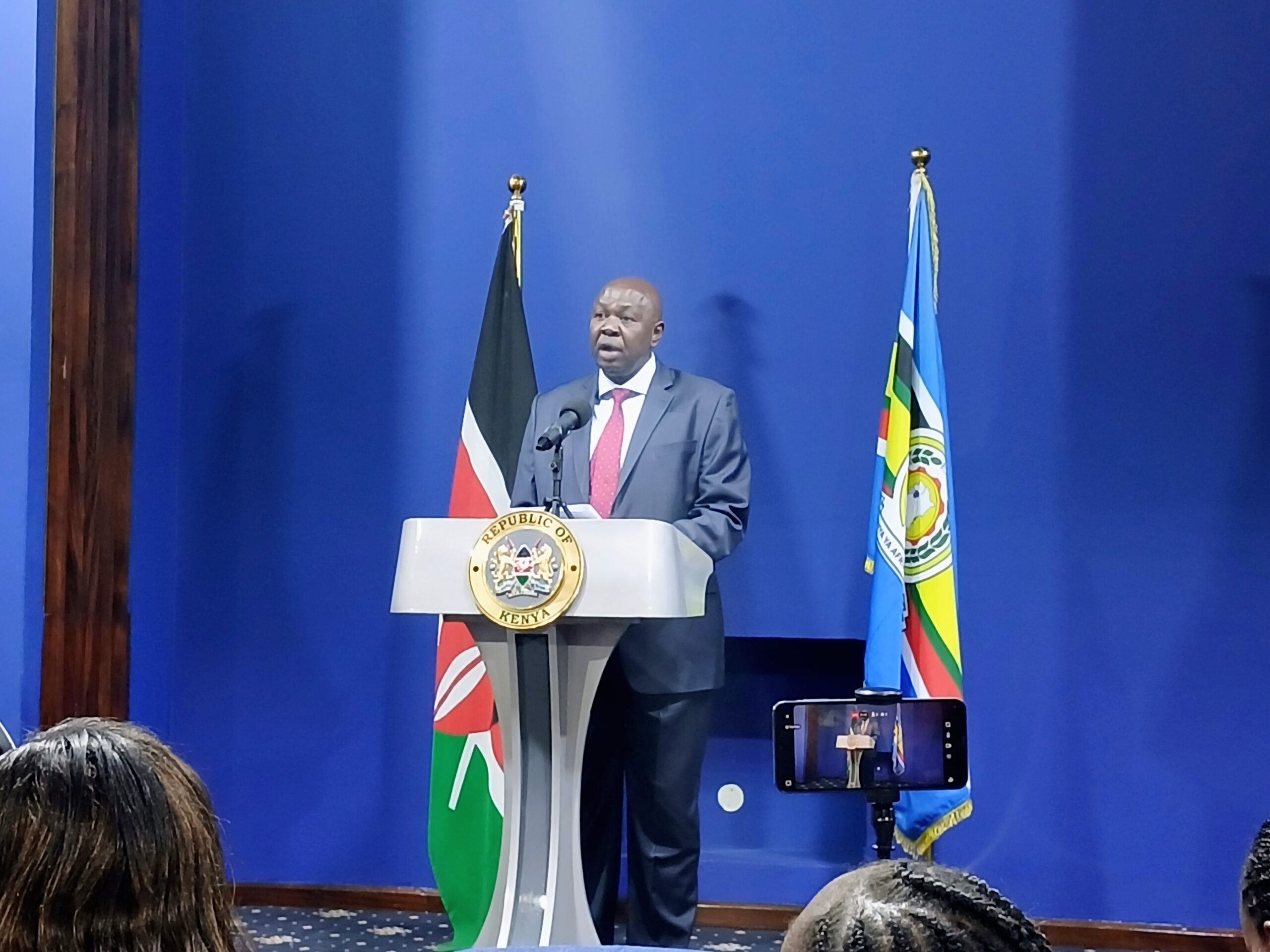
NAIROBI, Kenya, Oct 28 – Key electoral, security, and human rights bodies in Kenya convened stakeholders in Nairobi on October 27 to examine emerging electoral risks, strengthen early warning mechanisms and response mechanisms, promote accountability among electoral actors and explore practical measures to prevent electoral violence ahead of 2027 General Election.
During the multi-agency forum convened by the National Cohesion and Integration Commission (NCIC), alongside the Kenya Human Rights Commission (KHRC) and the Political Parties Liaison Committee (PPLC), key institutions officially signed and adopted the Political Decency, Peace and Accountability Charter.
The initiative builds on recent momentum, including the launch of NCIC’s “Elections Bila Noma” peace campaign in August 2026, the interfaith dialogue at CORAT Africa, and the landmark Amani National Conference held in mid-September to rally the country towards a violence-free electoral process.
Expressing concern over rising cases of political violence, NCIC warned that failure to act proactively could plunge the country into instability ahead of the polls.
Discussions also focused on the proposed Political Decency, Peace and Accountability Charter for Political Parties as a framework for encouraging responsible political conduct and peaceful democratic competition.
The key highlights of the multi-agency engagement
Political Accountability – NCIC and PPLC- Signing of the Political Decency, Peace and Accountability Charter to bind parties to non-violent, issue-based campaigns.
Electoral Administration – IEBC- Call for institutional collaboration, early warning risk detection and adherence to lawful dispute resolution.
Security and Policing – NPS (APS)- Implementation of a comprehensive security roadmap prioritizing professional, non-discriminatory, and impartial policing.
Human Rights Monitoring – KHRC-Documentation of pre-election human rights trends and formulation of multi-agency prevention mechanisms.
Institutional Commitments to a Peaceful Electoral Process
IEBC Calls for Issue-Based Campaigns, Representing IEBC Chairperson Erastus Edung Ethekon, Mr. Obadiah Keitany stressed that peaceful and credible elections extend beyond basic electoral administration they rely heavily on political decorum and respect for human rights.
“Peace is a shared responsibility. Political parties and aspirants must move beyond declarations of commitment, embrace issue-based campaigns, and translate their pledges into tangible action to safeguard the integrity of the 2027 polls.” Obadiah Keitany, Deputy Commission Secretary, IEBC.
He cautioned against hate speech, incitement, intimidation and violence, emphasizing that political differences must be addressed through lawful, peaceful and constructive engagement.
He further underscored the critical role of responsible media reporting, respect for human rights and constructive dialogue among political actors in fostering public confidence and protecting the integrity of the electoral process.
He highlighted the importance of stronger institutional collaboration, timely identification of potential electoral risks and accountability in preventing conflict and sustaining peaceful democratic participation.
IEBC reaffirmed its commitment to collaborating with political parties, security agencies, civil society organizations, the media and other stakeholders to create an environment that supports peaceful, inclusive, free, fair and credible elections.
Police Security Roadmap and Enforcement
Speaking on behalf of Inspector General Douglas Kanja, DIG Gilbert Masengeli cautioned political actors against tribalism, incitement, and intimidation. He revealed that the National Police Service (NPS) has instituted an end-to-end election preparedness roadmap covering pre-election, polling day, and post-election periods.
Masengeli reiterated that law enforcement will strictly enforce constitutional standards while operating with professional impartiality, non-discrimination, and stakeholder cooperation.
Human Rights Monitoring and Accountability Frameworks
A central agenda of the forum was addressing systemic pre-election human rights concerns. Stakeholders reviewed a comprehensive KHRC report detailing patterns of violations recorded between January and July 2026.
The report serves as an empirical foundation for early warning indicators, ensuring early detection and mitigation of electoral violence before campaigns reach peak intensity.
The Road to 2027: Next Steps for Kenya’s Democracy
The adoption of the Political Decency, Peace and Accountability Charter establishes a formal framework for multi-agency coordination among state security, electoral managers, civil society, faith-based leaders from the Inter-Religious Council of Kenya (IRCK), and political parties.
As heightened political competition and civic mobilization accelerate across the country, Kenya’s peacebuilding stakeholders continue to emphasize that preventing anarchy requires pro-active institutional collaboration, upholding the rule of law and ensuring that political competition remains a battle of ideas rather than physical or verbal hostility.