WHO convenes NTD supply chain meetings as countries report faster customs clearance and stronger national procedures
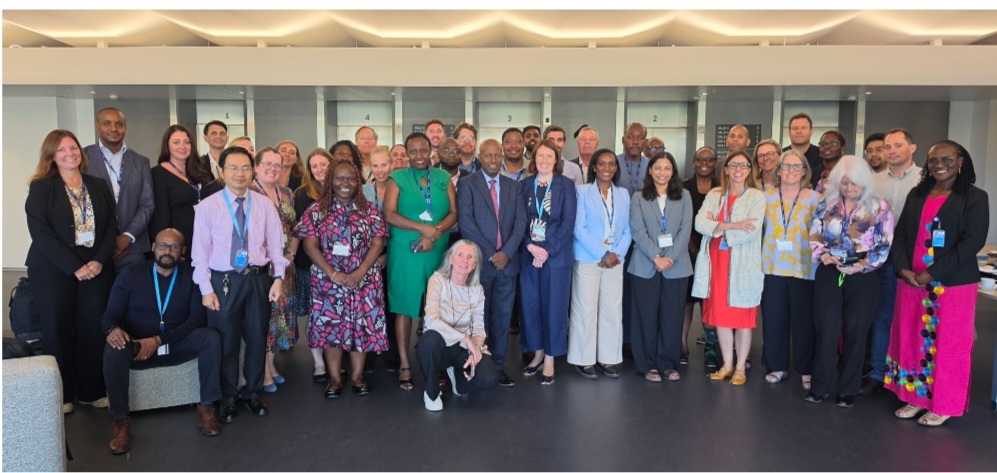
Health ministries, pharmaceutical donors and implementing partners met in Geneva last month to tackle the logistical problems that slow the delivery of medicines for neglected tropical diseases (NTDs), and to start planning for a post-2030 world in which donations and funding may look different.
The World Health Organization (WHO) hosted three back-to-back meetings on 22-25 September: the NTD Supply Chain Forum, the Supply Chain Technical Support Mechanism (SCTSM) and the Global Coordination and Stewardship Committee (GCSC). Discussions centered on forecasting and supply planning, data visibility, shipment delays, and aligning NTD medicine management with national health and logistics systems. Participants stressed building on existing country systems rather than creating parallel ones.
Customs clearance gains
Several countries reported concrete improvements. Uganda said it had cut customs-clearance time from roughly 90 days to 20. The Democratic Republic of the Congo reported a 63% reduction in clearance time, with no demurrage charges during the period discussed.
All eight SCTSM priority countries have now developed validated supply chain standard operating procedures for NTDs, up from three when the initiative began.
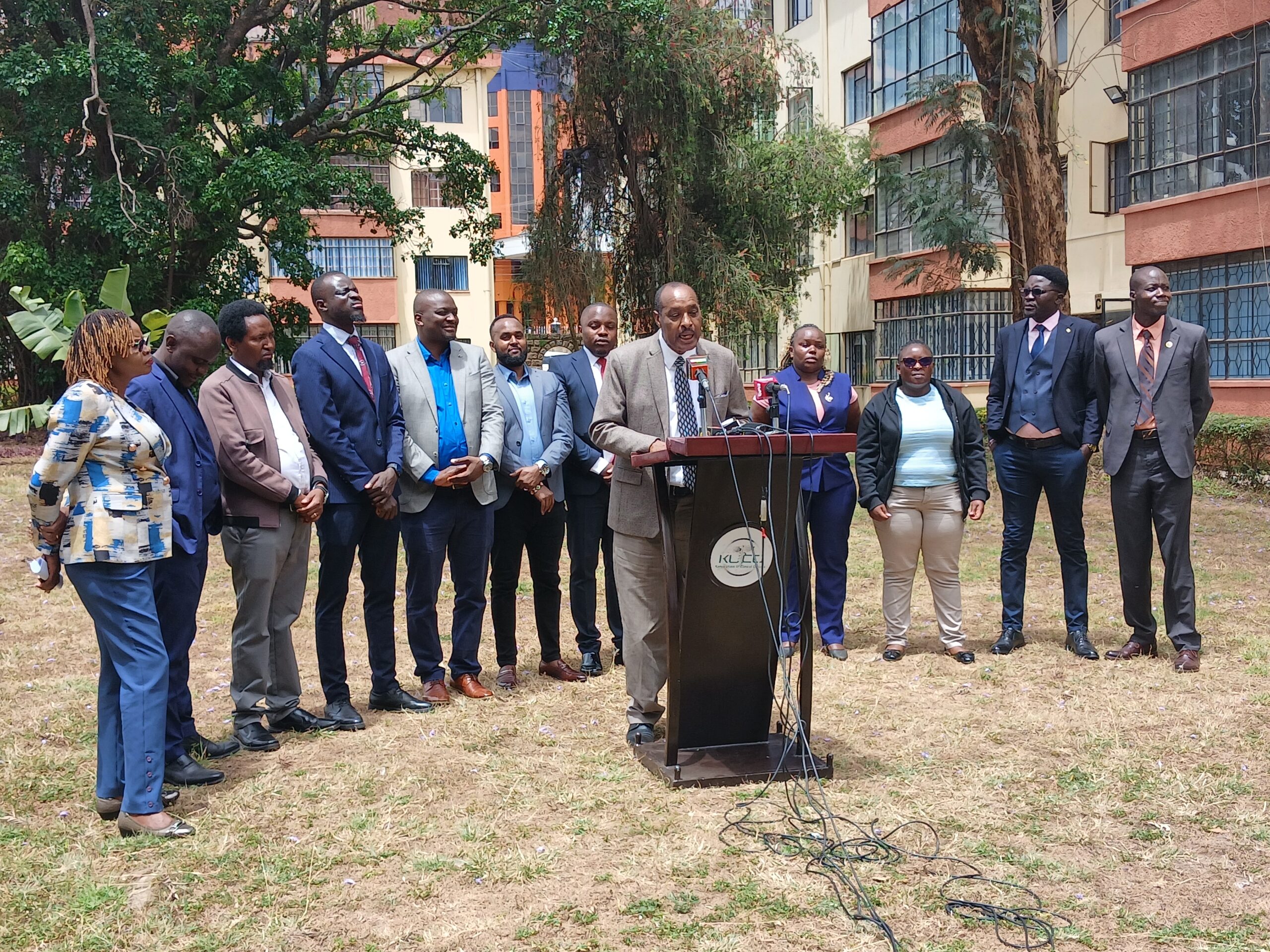
Country leadership is also growing. Kenya, Ethiopia and the Democratic Republic of the Congo have been the first to lead rotating coordination meetings with other countries, with more to follow. The meetings are meant to encourage the exchange of practical experience.
Forecasting under scrutiny
Four countries presented multi-year forecasts extending toward 2030, giving participants a chance to test assumptions about treatment needs, existing inventory, programme changes and funding. Discussions underlined that forecasts must be reviewed regularly against changing programme conditions and reliable supply chain data to be useful for decision-making.
Accountability and risk
At the GCSC meeting, participants considered a proposed evidence and performance framework that would pull together information from existing sources, including NTDeliver, Joint Application Package metrics, country feedback and working-group outputs. The aim is to make problems more visible, along with who is responsible, the timelines involved and the decisions required.
Systemic risks discussed included medicine expiry, unaccounted inventory, customs delays and regulatory barriers. Participants also weighed the opportunities and operational complexity of integrating NTD activities with other health campaigns, which requires coordinating medicines, financing, transport and data across programmes.
Planning beyond 2030
WHO-led sessions reviewed progress toward the 2030 NTD road map. Participants discussed how country leadership, financing, partnerships and technical support may need to evolve, and urged countries and partners to begin transition planning early, treating forecasting, financing, procurement, regulatory and quality requirements, legal arrangements and advocacy together rather than separately, in anticipation of possible changes in medicine donations and external financing.
Challenges remain
Despite the progress, the meetings acknowledged persistent difficulties in forecasting, inventory visibility, medicine utilization, shipment timelines and accountability.
As 2030 approaches, WHO said it, countries and partners will keep working to strengthen national systems, improve visibility and predictability across the supply chain, and prepare for shifts in the global health and financing landscape, with the goal of sustainable access to quality-assured NTD medicines for the people who need them.