

Kenya to Host Regional Healthcare Hub as World Health Expo Returns to Nairobi in September 2026
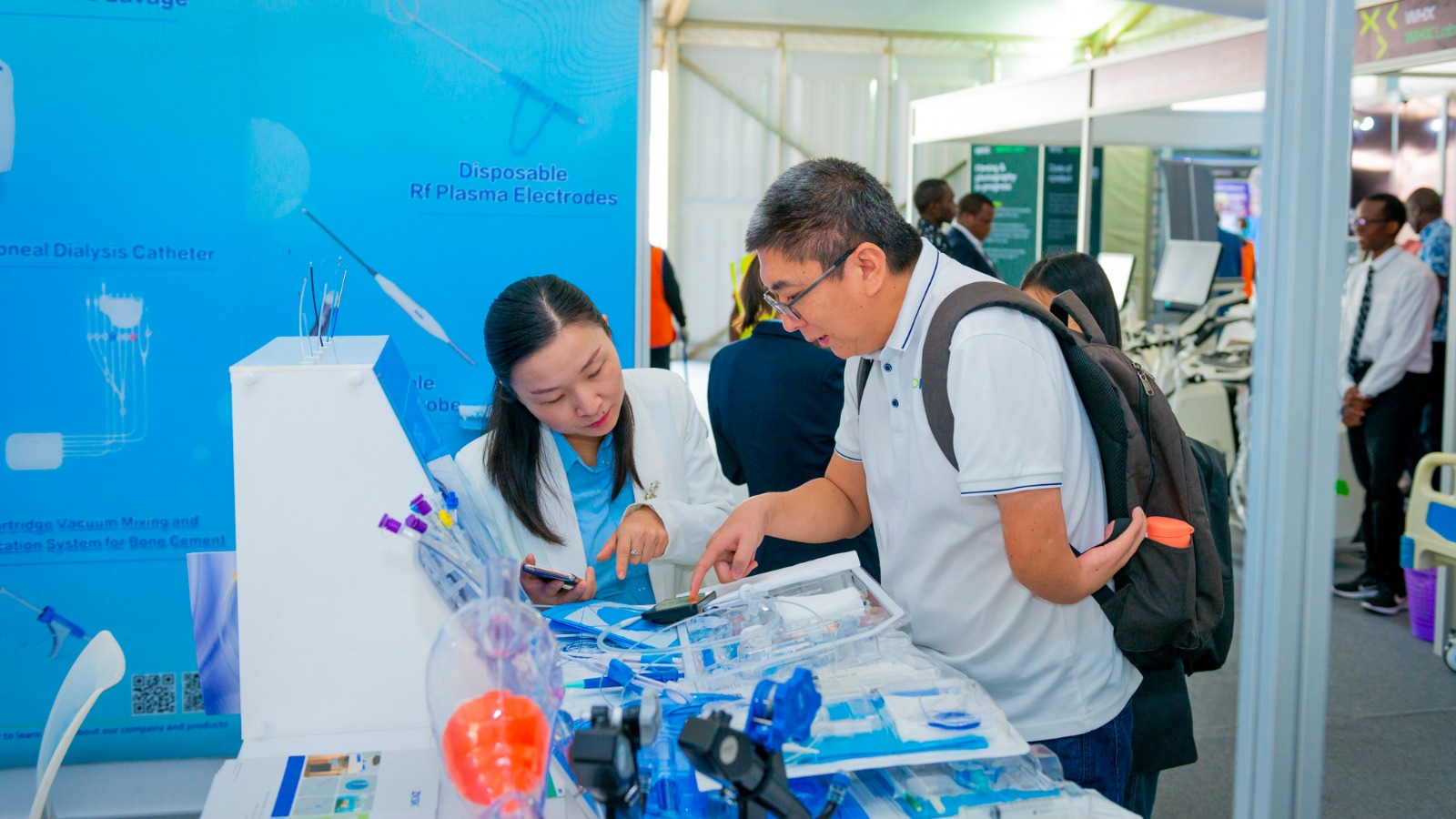
NAIROBI, Kenya, July 23 – Kenya is consolidating its position as the primary commercial and logistical gateway for East Africa’s healthcare market as the World Health Expo (WHX) prepares to return to Nairobi from September 16–18, 2026, at the Kenyatta International Convention Centre (KICC) bringing together manufacturers, distributors, hospital buyers, logistics providers and policymakers at the centre of East Africa’s healthcare commerce.
Now in its 10th edition, the flagship event formerly known as Medic East Africa is held under the patronage of Kenya’s Ministry of Health. It comes at a pivotal moment, as regional health and wellness spending surges alongside expanding trade corridors and population growth.
The regional healthcare landscape is experiencing unprecedented growth. According to industry figures, East Africa’s health and wellness market reached USD 16.8 billion (approx. KSh 2.2 trillion) in 2025 and is projected to climb to USD 23.6 billion (KSh 3.1 trillion) by 2034.
The 2026 edition is set to welcome over 5,500 attendees, host 200 exhibitors from 30+ countries, and deliver a 4,500 sqm net show floor space.It also anticipates recording 22% year-on-year exhibitor growth and a 4,500 sqm net show floor, representing an 81% year-on-year increase.
The 2025 edition generated an estimated USD 84.19 million in business.WHX is part of the global WHX portfolio, which includes three key healthcare events in Africa, held in Nairobi, Lagos and Johannesburg, and connects global brands with regional distributors.
WHX is East Africa’s most commercially focused healthcare event, connecting suppliers with the buyers, distributors, solution provider and decision-makers who drive the region’s healthcare economy.
Built around the priorities shaping healthcare across the region, the event is designed to help organisations access the right people, identify practical solutions and unlock new growth opportunities.
As part of WHX’s Africa portfolio, including three key healthcare events in Nairobi, Lagos and Johannesburg, WHX brings the healthcare ecosystem together in a single, commercially-focused environment designed to support stronger partnerships, smarter procurement and more effective business connections across the continent.
“WHX in Nairobi is where East Africa’s healthcare ecosystem comes together to do business,” said Tom Coleman, Portfolio Director Healthcare, inD.
“As regional trade corridors strengthen and healthcare supply chains become more connected, Nairobi is increasingly the place where manufacturers, distributors, hospital groups and policymakers can build the partnerships that move products, improve access and shape the next phase of healthcare delivery across the region”, added Coleman.
The event’s commercial momentum reflects a wider regional opportunity in healthcare procurement, distribution and technology adoption.
Additionally, East Africa’s medical devices market is forecast to continue growing, while the region remains heavily dependent on imports for essential health products and diagnostics.
That import dependence makes procurement, logistics and distribution especially important, and positions Nairobi as the natural meeting point for suppliers looking to serve a connected East African market.
World Bank data also underscores the scale of national health markets in the region, including Kenya’s current health expenditure per capita and its share of GDP.
In Kenya, health spending as a share of GDP was 5.76% in 2026, while health spending per capita was USD 327.76 in the same year3.
Taken together, these indicators show both the depth of demand and the room for further investment across the healthcare value chain.
The 2026 edition of the WHX exhibition will feature eight product sectors: medical devices and equipment, disposables and consumer goods, orthopaedics and physiotherapy, imaging and diagnostics, healthcare general services, IT and digital health solutions, healthcare infrastructure and laboratory technology and diagnostics.
That breadth reflects a market where service delivery, technology transfer and reliable supply chains are all central to improving access and outcomes.