
Kenya’s Ebola Cases Rise to Seven as Africa CDC Reaffirms Support

Kenya has confirmed four additional cases of Ebola Virus Disease caused by the Bundibugyo virus, raising the country’s total to seven confirmed cases, including one death. The new infections were detected among people already under quarantine after exposure to the initial case.
The Ministry of Health said the four latest patients comprise three healthcare workers who treated the first patient and one close male relative of the deceased index case. All are receiving supportive care at a designated Ebola treatment facility.<strong>Early detection within
quarantine</strong>Health authorities said the new cases were identified while the patients were already in quarantine, a development that underscores the value of contact tracing, surveillance and timely isolation. The patients reportedly developed fever before testing positive, and their cases were confirmed by the National Virology Reference Laboratory and the Kenya Medical Research Institute.Kenya has traced and placed 128 of 130 identified contacts—98.5 per cent—under quarantine, while efforts continue to locate the remaining two.
The Ministry of Health says there is currently no evidence of community transmission.The Africa Centres for Disease Control and Prevention (Africa CDC) commended Kenya’s government for its swift public-health measures and transparent communication.
The agency said it is supporting the nationally led response through surveillance, technical coordination, risk communication and community engagement.Africa CDC also warned that the ongoing Ebola outbreak in the Democratic Republic of the Congo makes stronger regional preparedness urgent.
It called for improved cross-border surveillance, information sharing, early detection and coordinated public-health action among African Union member states.
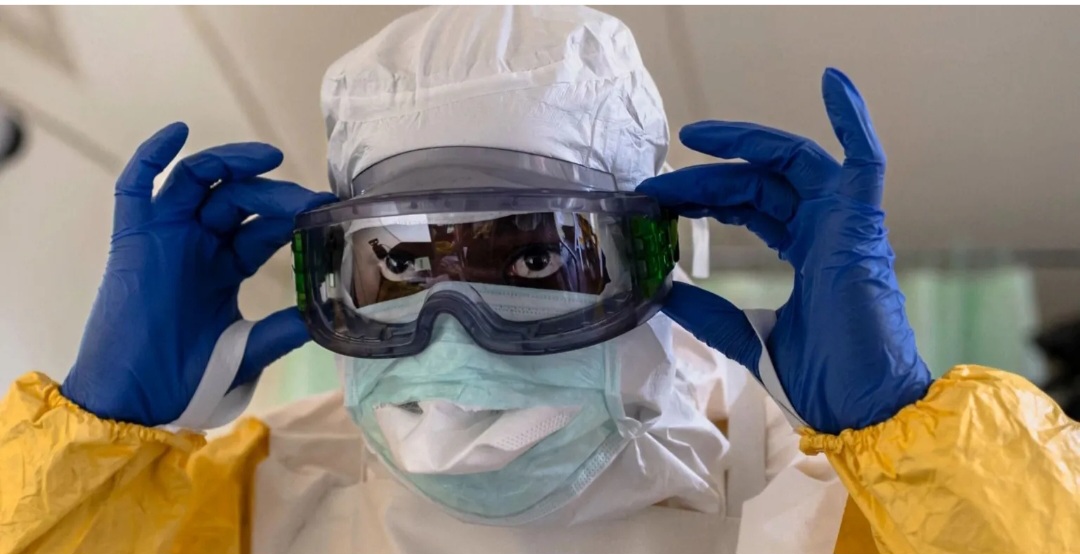
Protecting health workersThe confirmation of infections among three health workers highlights the risks faced by frontline responders. Africa CDC emphasised the need for strict infection prevention and control, adequate personal protective equipment, training and continued support for healthcare personnel.
The first Kenyan case was an imported infection involving a Kenyan citizen who travelled from the Democratic Republic of the Congo through Uganda on October 3 and later died. The subsequent cases have been linked to that initial patient, according to health authorities and WHO.
Ebola spreads through direct contact with the blood or bodily fluids of an infected person, or with contaminated materials. Early detection and prompt access to supportive care improve survival chances and help prevent further transmission.Members of the public are advised to remain vigilant, follow guidance from the Ministry of Health, report symptoms promptly and avoid sharing unverified information. Kenya’s toll-free health information line is 719.