Kenya Confirm Third Ebola Case as WHO supports Outbreak Reponse
Nairobi,KENYA,Oct 16-Kenya has confirmed two additional cases of Bundibugyo Ebola virus disease, bringing the total number of infections to three, including one death, as health authorities intensify surveillance and contact tracing to prevent the virus from spreading into the wider community.
The World Health Organization (WHO) said the two new patients, a 39-year-old man and a 65-year-old woman, tested positive on October 14 and 16, respectively. Both are close family members of Kenya’s first Ebola patient and were already in quarantine when they developed symptoms.The first case involved a Kenyan man who had travelled from the Democratic Republic of the Congo (DRC) and died on the night of October 5. His infection marked the first recorded Ebola case in Kenya.
Following his death, health teams identified 130 people who had come into contact with him, including relatives, friends, healthcare workers and passengers who had travelled on the same flight.By October 16, 127 of the identified contacts were in quarantine and undergoing daily temperature and symptom checks for 21 days, the maximum incubation period for the disease.
The emergence of the two new cases highlights the importance of sustained contact tracing, even as authorities seek to contain the outbreak before it spreads beyond the identified transmission chain.“Being quarantined means the family and the general public are better protected from exposure to the virus, hence reducing chances of community transmission,” said Dr Neema Rusibamayila Kimambo, WHO Representative to Kenya.
The Ministry of Health has reported no evidence of community transmission, noting that both new infections are linked to the initial imported case.However, health authorities have cautioned that additional infections among people already in quarantine remain possible until the monitoring period ends.“This is the response working as designed,” said Dr Patrick Amoth, Director General for Health at the Ministry of Health.
According to WHO, identifying the two patients while they were already under observation enabled health teams to isolate them at the onset of symptoms, limiting opportunities for further exposure.People infected with Ebola cannot transmit the virus before symptoms develop.
Once symptoms appear, however, the virus can spread through direct contact with the blood or body fluids of an infected person, someone who has died from the disease, or objects contaminated with those fluids.
The disease is not airborne, a distinction health officials say is important in helping the public understand how the virus spreads and how transmission can be prevented.Early symptoms of Bundibugyo Ebola include fever, fatigue, muscle and joint pain, headache and sore throat. These symptoms can resemble malaria and other common illnesses, making early identification and medical assessment particularly important during an outbreak.
As the disease progresses, patients may develop vomiting, diarrhoea and impaired kidney and liver function. Although Ebola is widely associated with bleeding, WHO notes that this is less common and generally occurs later in the illness.There is currently no licensed vaccine or specific treatment for Bundibugyo Ebola, although vaccine and treatment trials are underway in the Democratic Republic of the Congo.
The two patients are receiving supportive care in designated treatment units, including fluids to prevent dehydration and treatment for their symptoms.The Ministry of Health has reported that the second patient is in stable condition and responding well to supportive care.
WHO says early supportive care improves the chances of survival, making prompt detection and access to treatment critical components of the response.Kenya had begun preparing for a possible Ebola case in May 2026, when an outbreak was declared in the Democratic Republic of the Congo. Since then, nearly 5,000 health workers have received training, with WHO support, to recognise the disease and safely manage suspected and confirmed cases.
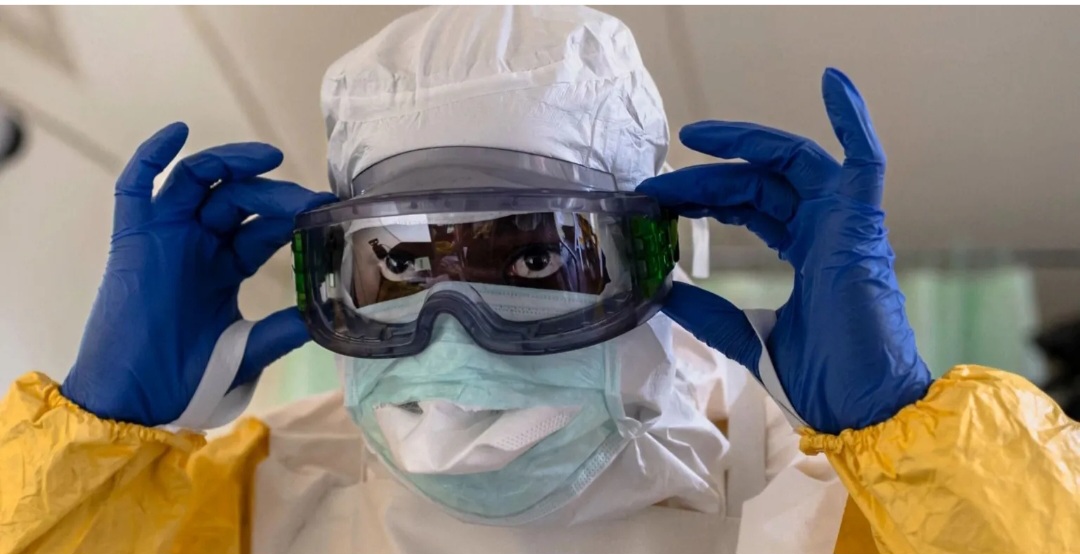
Following confirmation of Kenya’s first case, WHO expanded its support to the Ministry of Health and county health teams, assisting with surveillance, contact tracing, laboratory testing, patient care, infection prevention and control, and screening at points of entry.The organisation has also supported public communication and community engagement efforts aimed at improving awareness of the disease and limiting misinformation.In addition, WHO has provided supplies valued at approximately US$70,000, including personal protective equipment, Ebola testing kits and infrared thermometers for screening travellers.
Despite the confirmed infections, WHO has advised against closing borders or restricting trade, while the Ministry of Health has maintained that Kenya remains open, with no restrictions on travel, trade or public gatherings.Dr Kimambo commended the Ministry of Health, the Kenya National Public Health Institute, and national and county response teams for their swift action in identifying the new cases.“The two new cases have been detected early because they were already in quarantine and were being checked every day,” she said.She also acknowledged the contribution of healthcare workers, response teams and families complying with quarantine requirements.
With the remaining contacts still completing their 21-day monitoring period, health authorities face the task of maintaining surveillance while ensuring that suspected cases are identified, isolated and treated without delay.
The WHO says contact tracing and quarantine will remain central to Kenya’s efforts to contain the outbreak, as daily monitoring provides an opportunity to detect symptoms early and reduce the risk of further transmission.WHO has pledged continued support to the Ministry of Health and county health teams as the country works to prevent the outbreak from spreading into the wider community.