
Savannah Honey, Laikipia Women’s Groups Partner to Drive Commercial Beekeeping Growth
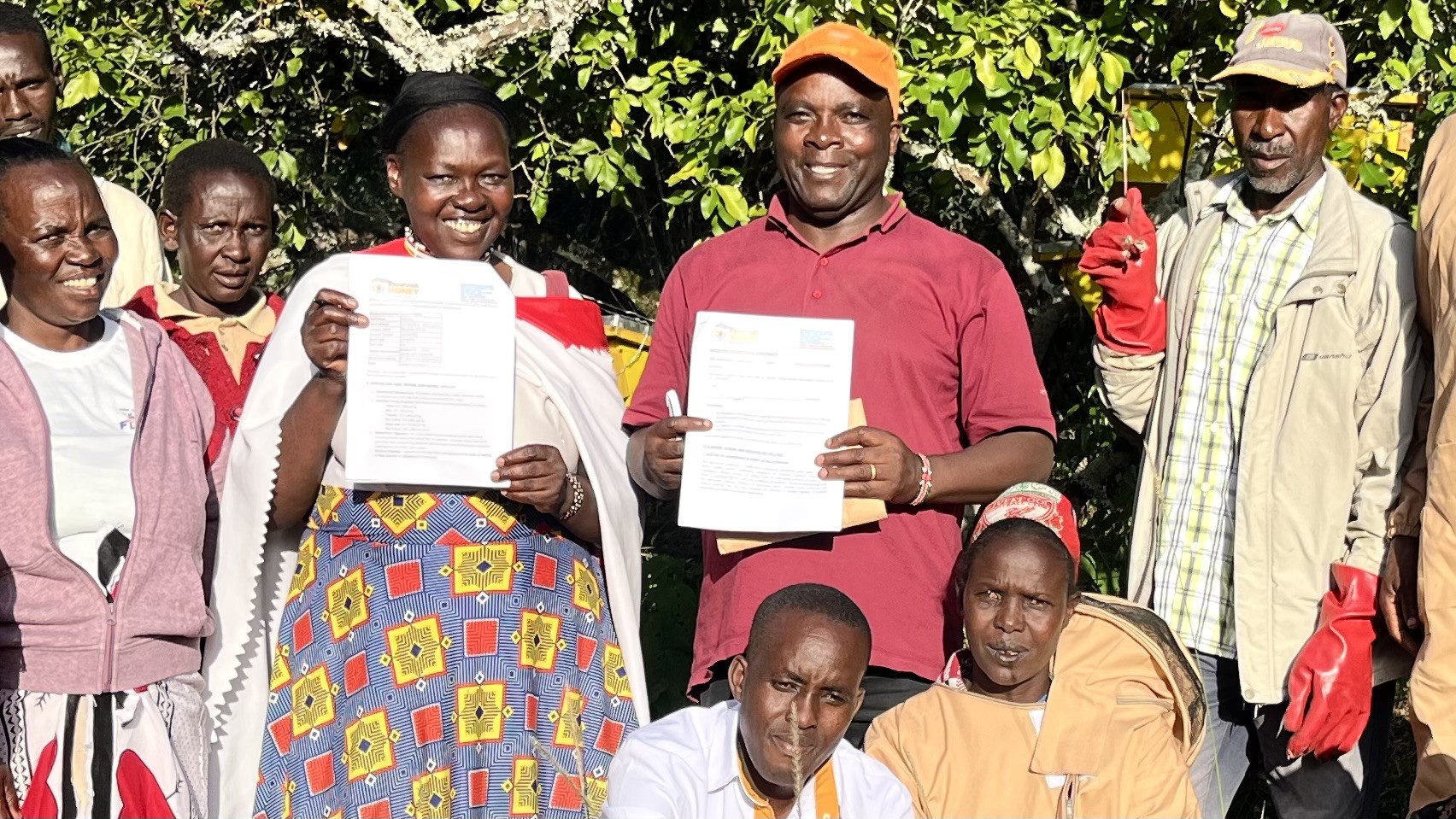
LAIKIPIA, Kenya, June 10 – In a major boost to sustainable agriculture in Kenya’s arid and semi-arid lands, Savannah Honey Ltd has signed a five-year partnership with women’s producer groups in Laikipia County under the Nurture Project implemented by Swisscontact and funded by the Wyss Academy, the agreement aims to scale Modern, climate-resilient, commercial beekeeping enterprises.
The partnership introduces a market-based system that links smallholder producers directly to inputs, technical expertise, and reliable markets shifting beekeeping from a subsistence activity into a viable, income-generating business.
Facing an era of unprecedented climate volatility, Laikipia County is increasingly forced to confront the harsh realities of its semi-arid geography, Shifting weather patterns have rendered traditional rain-fed agriculture highly unreliable, prompting a critical push toward climate-smart farming and sustainable land management.
At the same time, rural communities, particularly women, face limited access to land, finance and formal markets, contributing to persistent income insecurity.
Sharon Mosin, Country Director, Swisscontact said the partnership reflects a shift from supporting activities to building systems that work.
“Through the Nurture Project together with Wyss Academy, we are facilitating partnerships that enable women to participate in functioning markets, ensuring that livelihoods are sustainable beyond the life of the project”, stated Ms Mosin.
Savannah Honey’s role brings a critical missing piece: market certainty and technical quality assurance.
“We see significant potential in this partnership, there are strong local and international markets for a wide range of bee products,” said James Kimathi, Head of Partnerships and Marketing at Savannah Honey.
“By working with these women’s groups, we aim to equip them with the skills to produce higher volumes of consistently high-quality products”.
“This enables us to meet growing market demand for reliability, traceability and quality, creating sustainable income opportunities for producers while strengthening our supply chain”, added Mr. Kimathi.
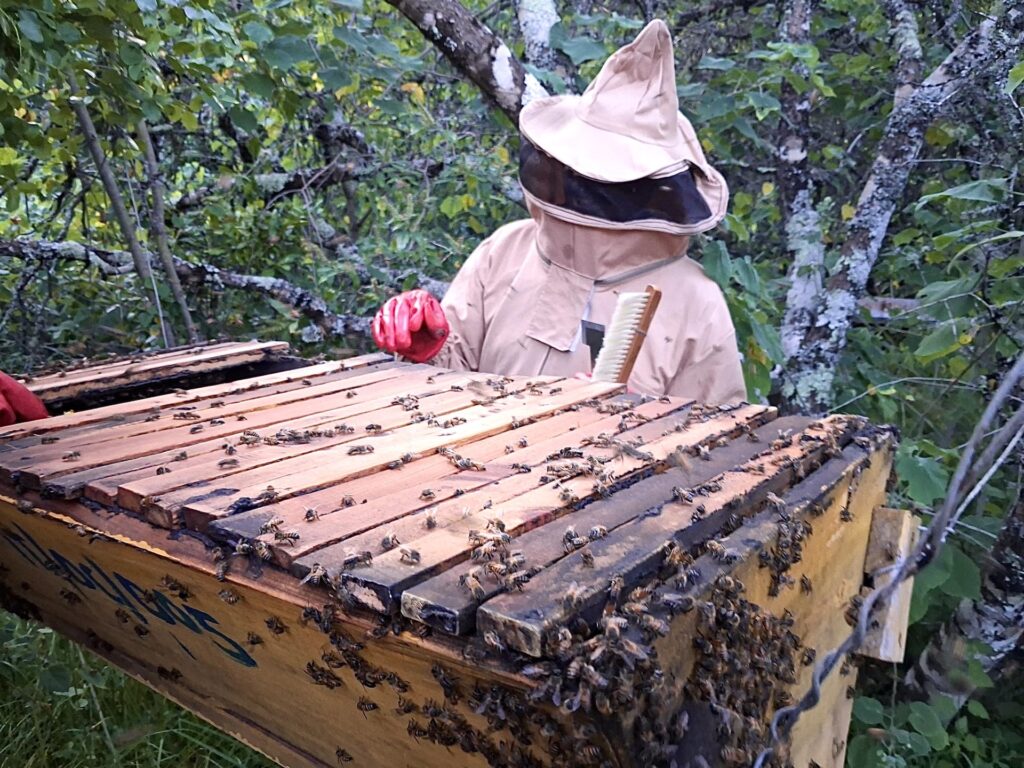
For years, women’s groups have engaged in beekeeping using traditional methods producing small quantities, selling into informal markets, and earning inconsistent, unpredictable income. While the potential was clear, the pathway to scale and sustainability remained limited.
At the core of the partnership is a co-investment model that enables women’s groups to build ownership of production assets, while receiving catalytic support through the Nurture Project.
This approach supports a transition toward commercially viable micro-enterprises, anchored within an integrated value chain and supported by: Structured production systems, Ongoing technical training and mentorship, Guaranteed and predictable market access.
In addition to honey, producers are expanding into higher-value bee products such as beeswax, propolis, pollen and royal jelly; unlocking diversified income streams.
For participating women, the change is immediate: “We have always kept bees as a source of livelihood, Now, we have access to training, better equipment, and a reliable market”, said Jacinta Mungambo, a chairlady of one of the participating groups.
“We are learning how to produce higher-value bee products that can significantly increase our income. With this support, we feel confident that our work will translate into steady and sustainable earnings”.
Beekeeping offers a practical, climate-resilient solution in vulnerable regions. It; Requires minimal land, Supports biodiversity through pollinationand Provides diversified and year-round income opportunities.
Further, By embedding production within a functioning market system, the partnership strengthens both economic resilience and ecological sustainability.
Beyond the borders of Laikipia, the partnership provides a scalable blueprint on how smallholder systems can stitch together fractured rural economies to structured, market-based value chains, It demonstrates a viable path toward converting subsistence farming into a highly predictable, commercial enterprise.
The initiative directly advances Kenya’s Bottom-Up Economic Transformation Agenda (BETA) by empowering grassroots communities and strengthening climate resilience in vulnerable regions.
Serving as a blueprint for Arid and Semi-Arid Lands (ASALs), the project corresponds national environmental priorities with sustainable local economic development, offering a scalable model for neighboring counties facing similar climate pressures.
Ultimately, It reinforces growing national lesson that sustainable rural development thrive only when backed by functioning markets, resilient local businesses and active private-sector participation, it also flips the traditional aid script proving that sustainable growth is achieved not by treating women as beneficiaries but by empowering them as the economic drivers.