

Women Leaders and Peace Actors Demand Inclusive Electoral Reforms and Zero Tolerance for Political Violence Ahead of 2027 Polls
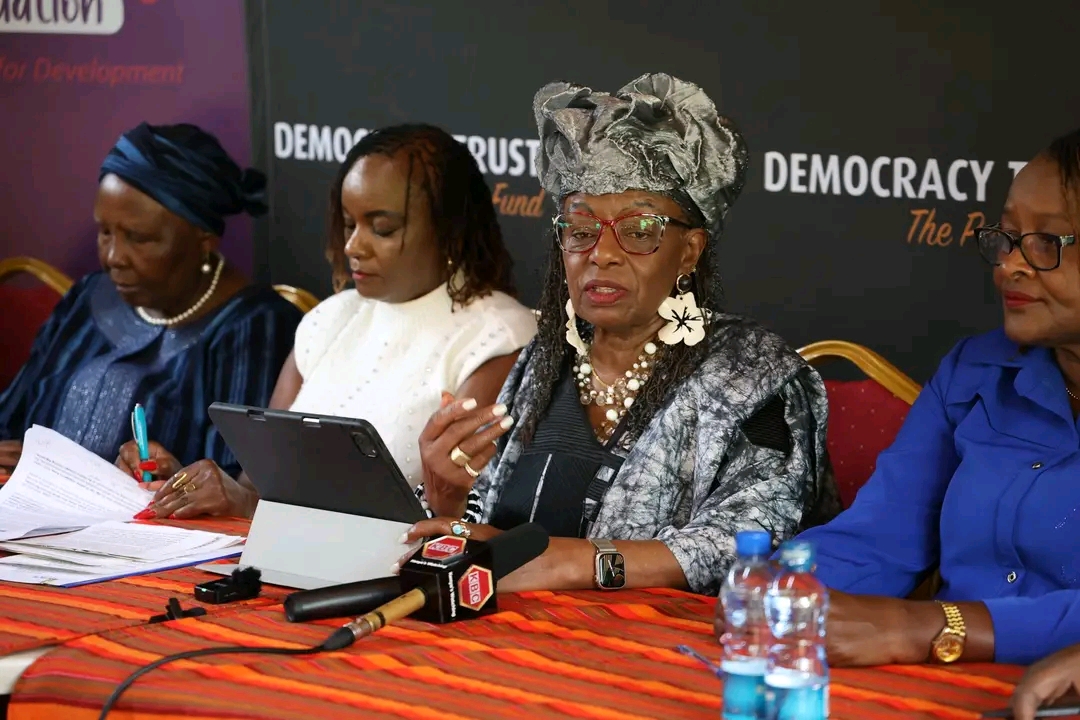
NAIROBI, Kenya, Oct 30 – In a unified call for democratic integrity, civil society networks, women leaders, and peace actors across Kenya have raised serious concerns over proposed electoral amendments, escalating political violence targeting women and youth and unaddressed high campaign costs ahead of the 2027 General Elections.
Speaking at a joint press conference in Nairobi, members of the Democracy Trust Fund (DTF) and Echo Network Africa Foundation (ENAF), along with women aspirants from across the country, urged Parliament, electoral management bodies, and law enforcement to guarantee an inclusive, peaceful, and transparent election process.
Protecting Electoral Transparency and Inclusion
The group expressed deep apprehension regarding the Elections (Amendment) (No. 2) Bill, 2024, which was passed with amendments by the National Assembly on October 22 and subsequently referred to the Senate.
While acknowledging that the legislative review presents an opportunity to strengthen Kenya’s democratic framework, the coalition warned that key provisions could erode public trust and limit participation for marginalized groups:
Political Party Primaries: The proposed removal of the Independent Electoral and Boundaries Commission’s (IEBC) role in supervising political party nominations shifts heavy responsibility onto parties.
The coalition called on Parliament to mandate strict party-level oversight to ensure transparent, fair, and non-discriminatory nominations.
Electoral Justice: Clear legal definitions are needed to separate the dispute resolution mandates of the IEBC and the Political Parties Disputes Tribunal (PPDT), ensuring accessible, timely, and fair remedies for women and underrepresented aspirants.
Voter Registration and Results Management: The group stressed the importance of public scrutiny of the voters’ register and supported the retention of livestreaming election results under Section 39 of the Elections Act to build electorate confidence in a climate of political trust deficits.
Gender Representation: The IEBC and the Office of the Registrar of Political Parties (ORPP) were called upon to strictly enforce constitutional gender parity rules during party nomination list submissions.
Zero Tolerance for Violence Against Women and Youth in Politics
Citing recent outbreaks of political violence, harassment, and inflammatory rhetoric in Kisii, Baringo, Kisumu, Meru, Nairobi, and Homa Bay counties, the coalition condemned the normalization of violence as a tool of political competition.
Drawing on data from the 2022 general elections where FIDA Kenya documented 1,746 cases of election-related sexual and gender-based violence (SGBV), with 54% involving verbal abuse and 23% cyberbullying the leaders warned that early-stage intimidation directly threatens women’s constitutional rights to leadership.
Recent reported incidents across the country highlight continuing risks to women leaders and aspirants.
They noted that Violence against women and youth in politics undermines democratic representation, restricts political competition and denies citizens meaningful leadership choices.
“We call for zero tolerance of electoral violence against women and youth and decisive institutional action to safeguard their safety, dignity and equal participation ahead of the 2027 General Elections”, they said.
Coordinated Action Demanded Across Key Institutions
They Urged all actors including, electoral management bodies, security and justice institutions, political parties and peacebuilding actors to prioritize the following actions to;
Prevent and Respond to Electoral Violence- The NPS, IEBC and County Security Committees should identify electoral hotspots, strengthen gender-responsive security measures and ensure timely protection and response to threats and attacks against women leaders and aspirants.
Strengthen Investigations and Accountability –The NPS, DCI, ODPP and relevant justiceinstitutions should ensure prompt, impartial investigations, access to justice, survivor support and appropriate updates on reported cases of electoral violence.
Safeguard Fair and Inclusive Electoral Reforms- Parliament should ensure that proposedelectoral amendments protect transparent party nominations, accessible electoral justice andeffective safeguards against discrimination, intimidation and exclusion.
Enforce Responsible Political Conduct-The ORPP, IEBC, NCIC and political parties shouldenforce applicable codes of conduct, address hate speech and gender-based intimidation, andpromote peaceful, issue-based political competition.
Strengthen Early Warning and Response Mechanisms-The NCIC, County Peace Committees, Women Peace Actors, security agencies and civil society should strengthen community-based early warning, accessible reporting systems and coordinated interventions to prevent electoral violence.
Strengthen Monitoring and Evidence-Based Action-The NGEC, KNCHR, IEBC, NPS and civilsociety should document and monitor electoral violence against women, including onlineharassment, and use disaggregated evidence to inform prevention, accountability and electoralpreparedness.
Unclogging Financial Barriers to Political Entry
The coalition raised alarm over the exorbitant cost of running political campaigns in Kenya, which creates steep financial barriers for women, young candidates, and persons with disabilities (PWDs).
Although the IEBC gazetted the Election Campaign Financing Regulations, 2026 and set expenditure limits on August 7, 2026, implementation remains stalled due to High Court conservatory orders.
The National Assembly’s Committee on Delegated Legislation halted substantive review on October 22 pending judicial resolution.
The DTF and ENAF called on all legal and legislative bodies to expedite the resolution of these court cases to establish clear, enforceable campaign spending caps that foster equitable competition before 2027.
Moving Forward: A Collective National Duty
In closing, the leaders reaffirmed their commitment to civic education, mentorship, and peacebuilding ahead of the 2027 polls, standing in solidarity with all survivors of political violence regardless of party affiliation.
“Political competition must be defined by ideas, service, and democratic choice not threats or physical confrontation. Safeguarding women in politics is a shared national responsibility and a fundamental requirement for peaceful, credible, and inclusive elections in 2027.”